Slow Spotlight: Sarah Philp on Weaving Seasonality into Education
So many people have inspired me on my own journey towards living a slower, simpler and more seasonal life, and I’d love you to be inspired too. The Slow Spotlights series shares with you some of their journeys, and I hope that by reading about these, you too may be inspired and encouraged.
What does living slowly, simply and seasonally mean to you?
In this Slow Spotlight, I’m delighted to introduce Sarah Philp, a coach and educational psychologist whose work centres on creating reflective spaces that support wellbeing, sustainability and thoughtful leadership within complex and often pressurised systems.
In this post, Sarah reflects on living and working seasonally, not as a lifestyle aesthetic, but as a way of staying well and staying human inside systems that often ask us to override our natural rhythms. She explores the tension between the natural seasons and the systemic rhythms of education, the quiet relief that comes when experiences are named and shared, and the power of slow, thoughtful thinking in a culture of pace and pressure.
Grounded in simple practices, reflective tools, and a deep respect for cycles rather than timelines, this Slow Spotlight is an invitation to notice, to soften, and to consider what this season might be asking of us - and what, for now, can wait.
Thank you, David, for the opportunity to share some reflections - it’s been lovely to pause at the turn of the year and think a little more intentionally about how these ideas have evolved over time.
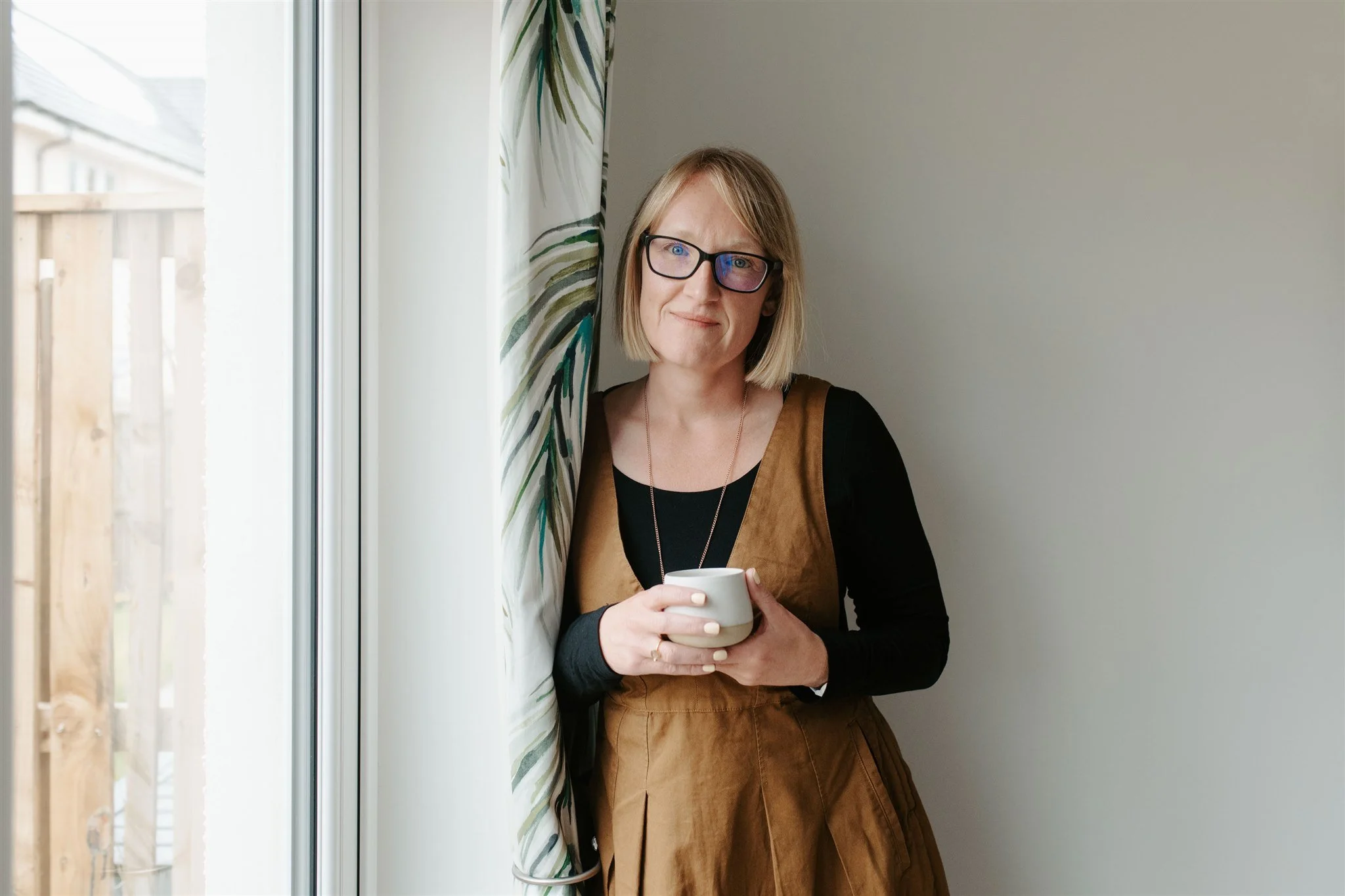
I’m a coach and educational psychologist working, alongside teachers, school leaders and system leaders. My work focuses on creating reflective spaces that support wellbeing, sustainability and thoughtful leadership within complex and often pressurised systems.
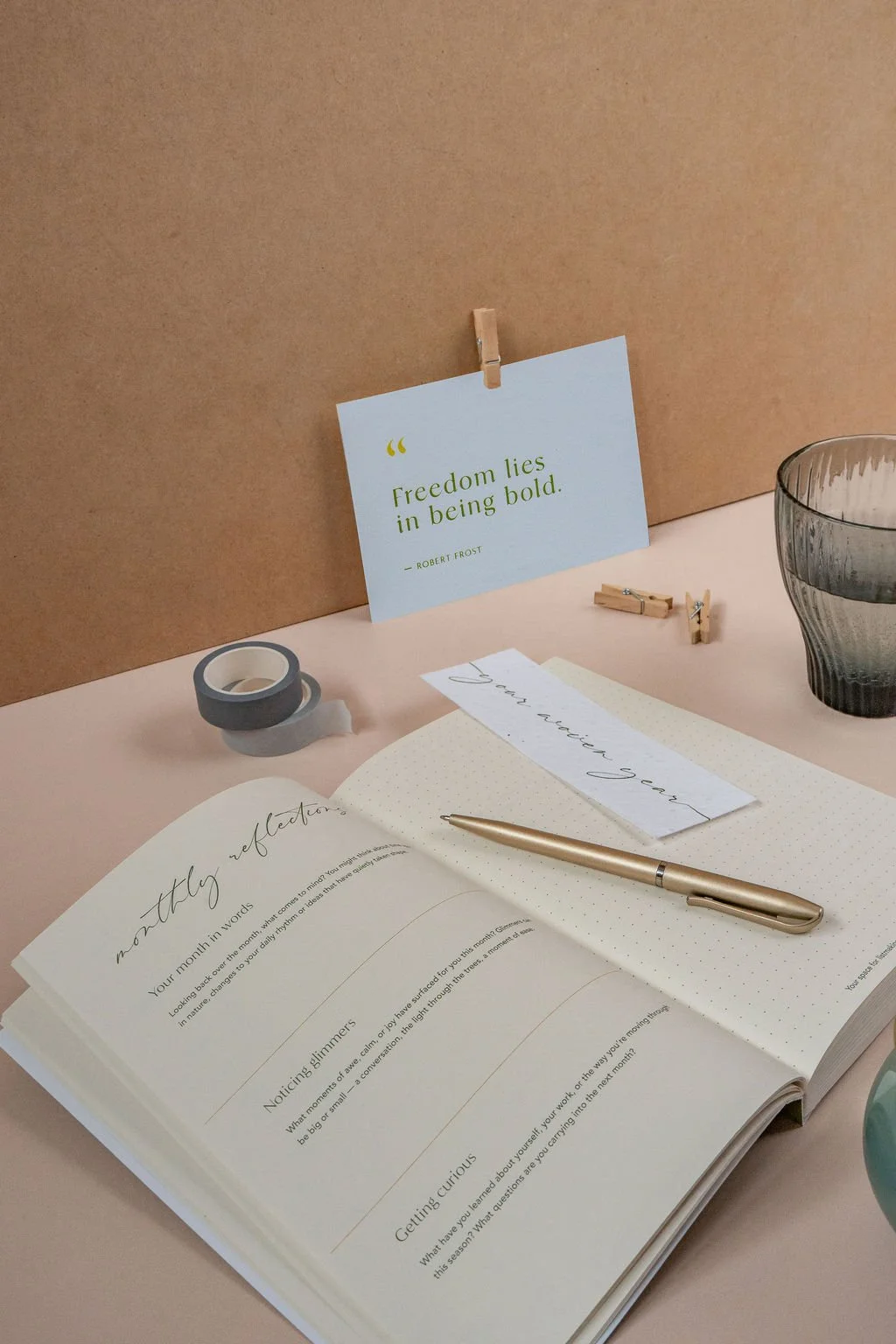
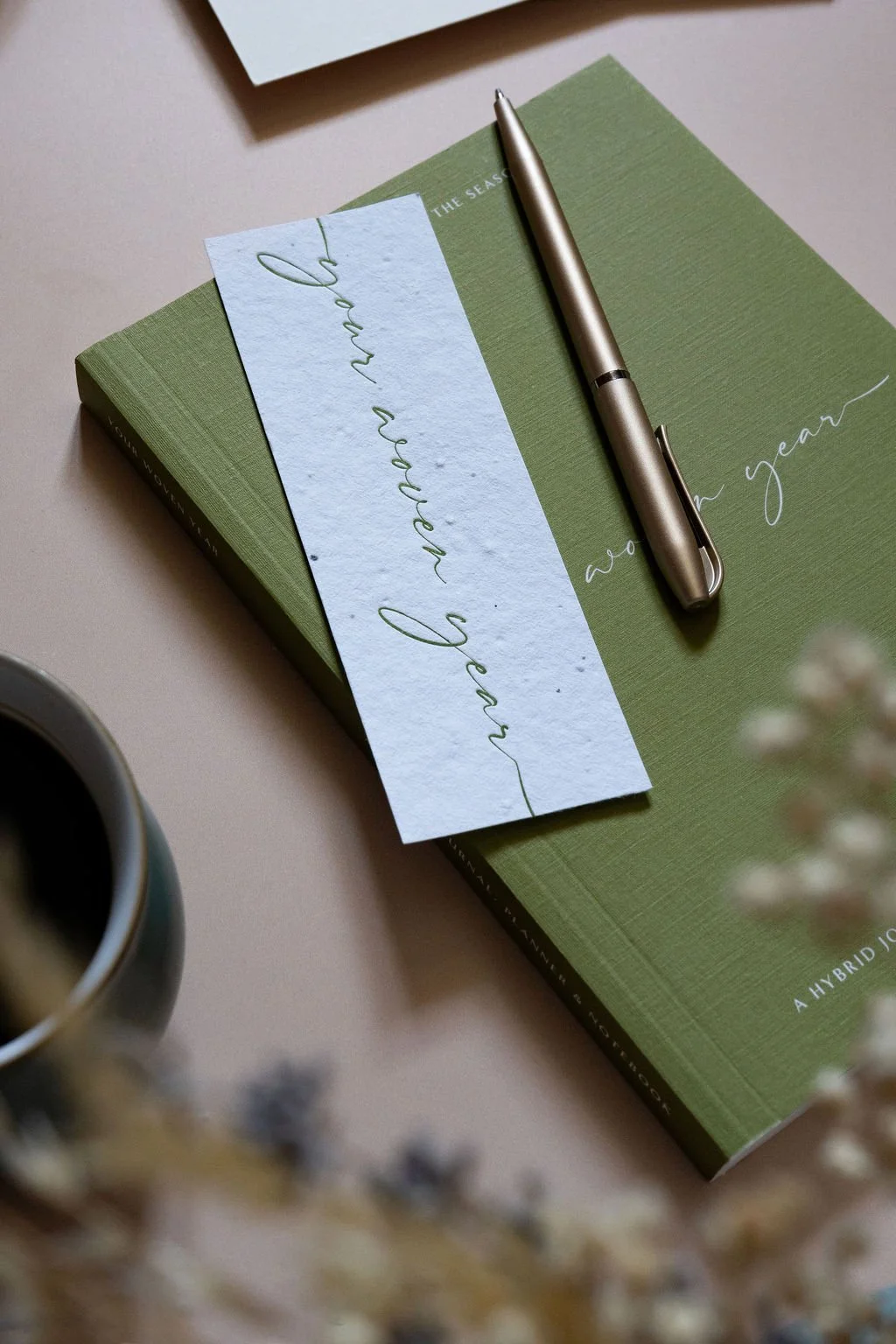
Alongside my coaching and facilitation work, I create reflective tools and community spaces, including Your Woven Year and The Thread which are my ways of bringing seasonality into professional life, particularly within the rhythms of the school year.
I live just outside Edinburgh and love spending time on the Isle of Skye, where the landscape and changing light continue to shape how I think about time, energy and what it means to work well across the year.
Weaving seasonality
Living seasonally, for me, is not a lifestyle aesthetic. It’s a way of staying well and staying human inside a system that often asks us to override our natural rhythms.
The school year begins as the days are shortening. Pressure peaks in winter. Renewal is expected on demand. Reflection is often squeezed into the margins. The calendar keeps moving, regardless of what bodies, minds and landscapes might be signalling.
Living and working seasonally has become my way of noticing that tension and responding to it with care - for myself, and for those I support to find new ways of being and becoming within the system.
What seasonal living and working means to me
To live seasonally is to pay attention to cycles rather than simply timelines. It’s about recognising that energy rises and falls, that creativity has seasons, and that rest is not a failure of discipline, but a necessary phase of growth. It’s about knowing our own seasonal patterns as well as those around them with curiosity about their relationship.
I experience the seasons as an inner compass, one that helps me navigate the academic rhythms I work within:
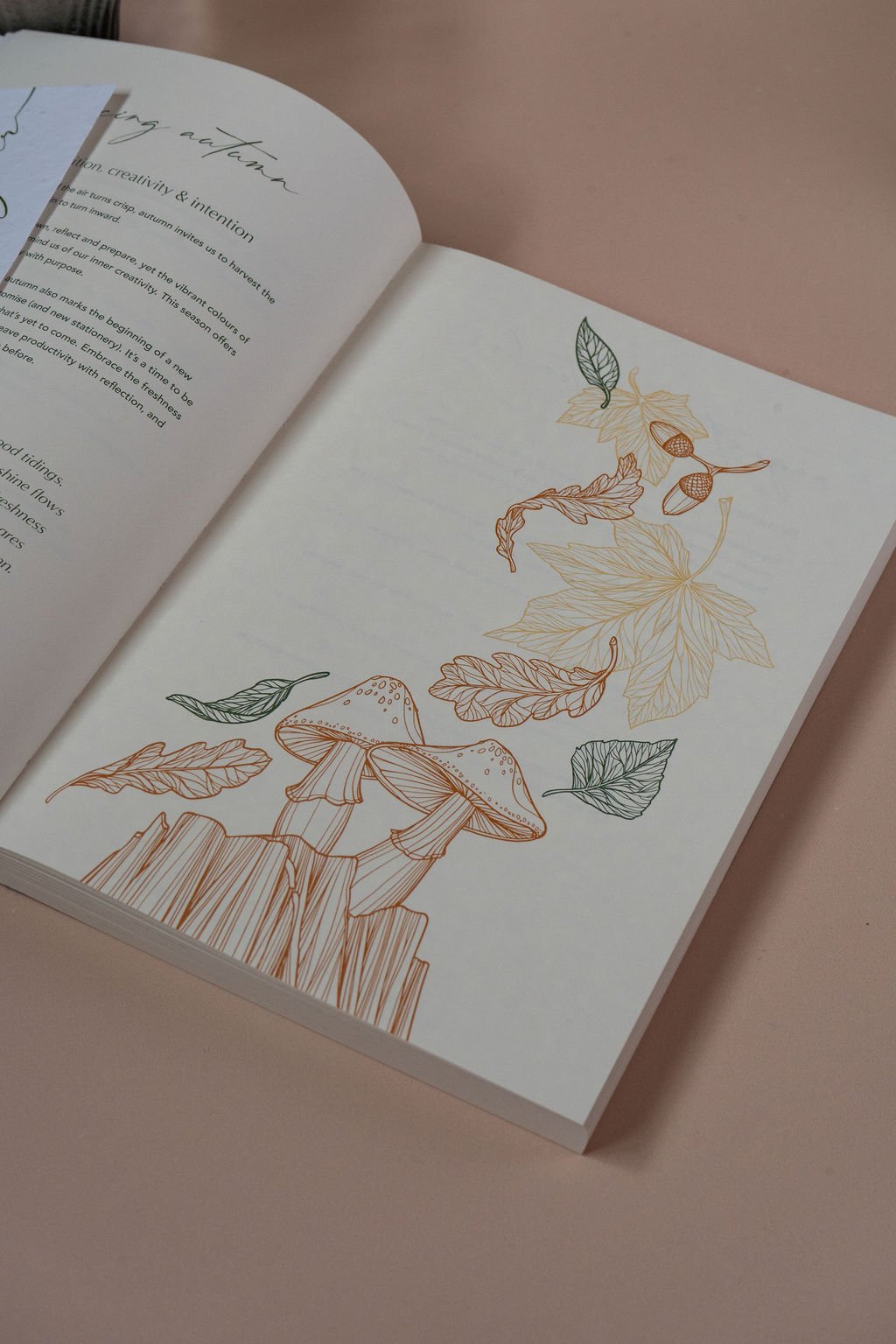
Autumn invites intention and focus.
Winter brings rest and quiet resilience, and often a deep, subtle creativity.
Spring awakens possibility and inspiration.
Summer celebrates growth and presence and transitions.
One of the tensions I see repeatedly in my work, is the mismatch between natural seasons and the systemic rhythms of education. Winter, a season that biologically asks for slowing down and conservation, often coincides with the most intense periods of workload and emotional labour. By the time spring arrives, many educators are already depleted, rather than ready to re-emerge.
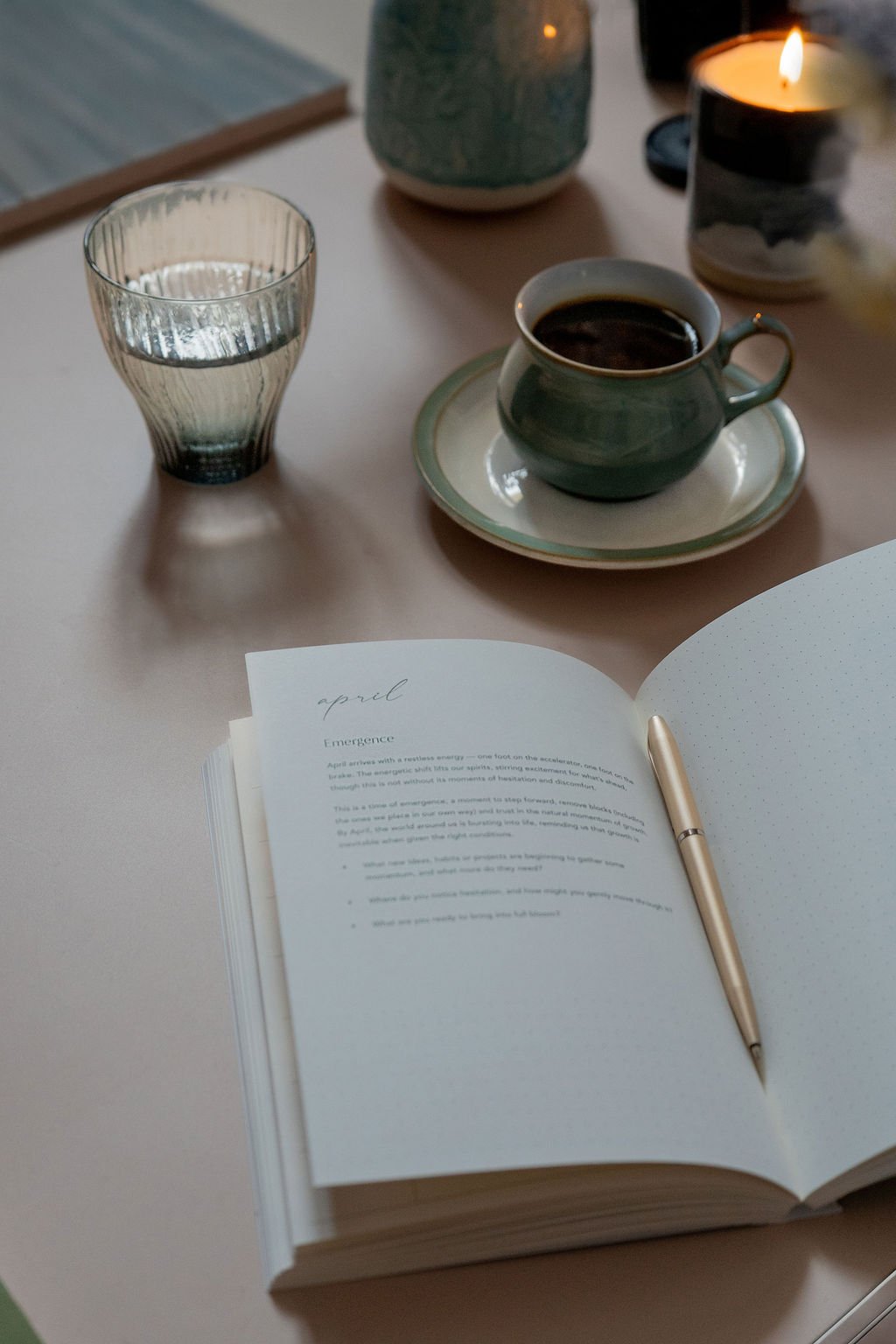
Seasonal thinking doesn’t remove these pressures. But it can soften how we meet them. It offers a different question - not How do I keep going? but What does this season ask of me, and what can wait? Often this is about finding the edges and the movement between the internal and the external.
Bringing slow living and seasonality into my work
My work as a coach and educational psychologist is about creating spaces where people can pause, reflect and reconnect with themselves, with purpose and with one another. This is where slow living weaves its way in alongside seasonality, offering educators permission to slow their thinking, consider more deeply, and move forward with greater intention.
I’ve long been influenced and guided by the work and wisdom of Nancy Kline and her concept of the Thinking Environment. At the heart of her work is a simple but profound idea:
The quality of everything we do depends on the quality of the thinking we do first.
That insight has stayed with me, so much so that it became the focus of my conversation with Claire Fitzsimmons on her podcast, A Thought I Kept. In systems like education, where pace, pressure and performance can crowd out reflection, the conditions for good thinking are often the first thing to be lost. Creating space - real, protected space for thinking feels both necessary and quietly radical.
Over the last couple of years, this commitment to thoughtful, unhurried thinking has evolved into something more tangible.
I’ve always loved paper tools. As an educational psychologist, I became well known for reaching for Post-Its and Sharpies to explore ideas and possibilities. Analogue has long been my go-to for thinking, creating and reflecting - I’m rarely far from a journal, notebook or planner.
I’ve always kept a mix of all three, because I’ve never found one that truly fits the emotional landscape of education. Journals can feel too rigid, planners too demanding, notebooks too open. I wanted something in between - a companion rather than a task, a guide without pressure.
So I began building it, season by season.
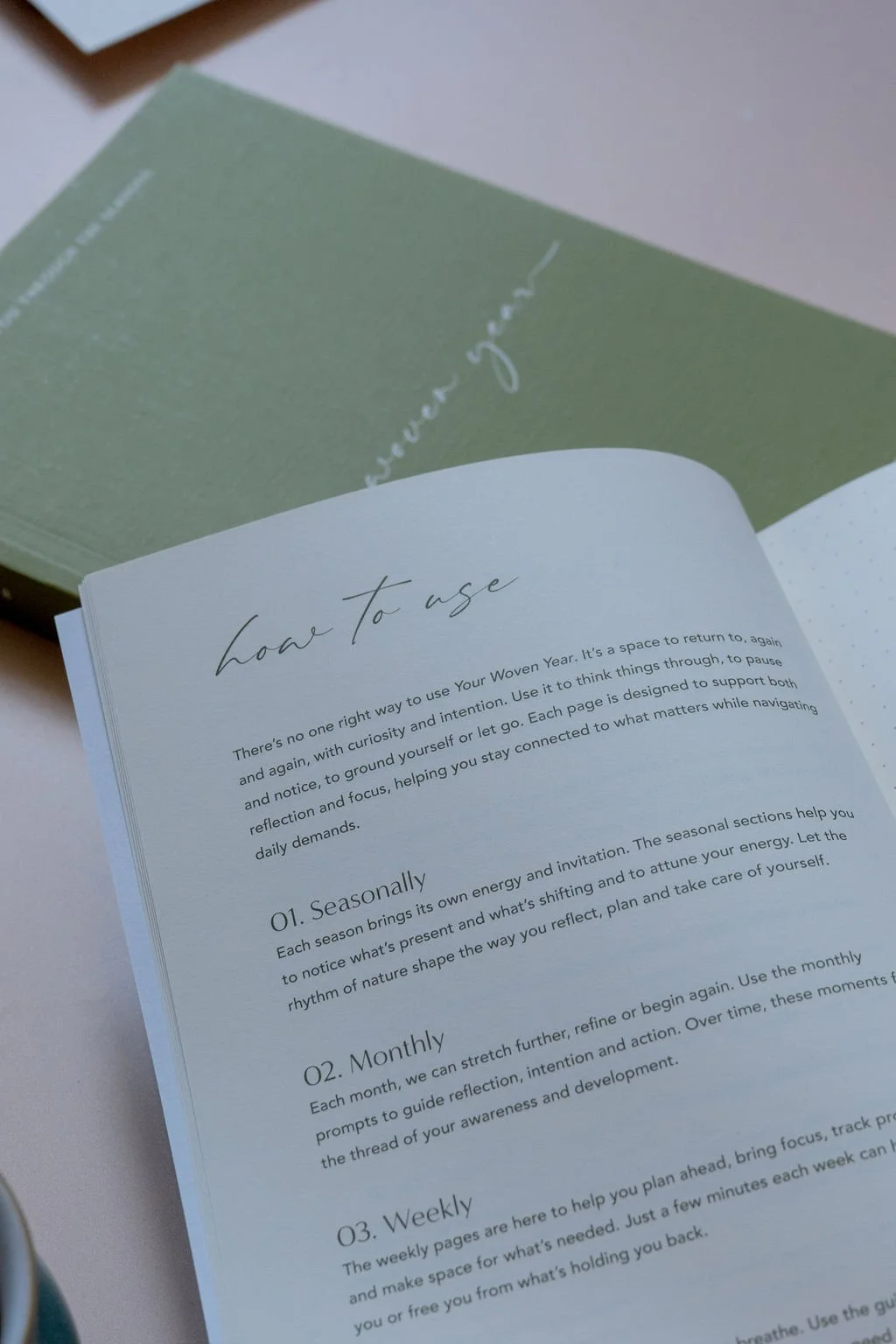
Your Woven Year carries the practicality of a planner, the spaciousness of a notebook and the gentle guidance of a journal — all grounded in the natural rhythm of the seasons and the structure of the school year. It’s something for educators to carry alongside them, rather than something to complete. A space to return to, again and again.
Alongside this, I began exploring smaller, weekly paper practices - moments of intention and reflection that could live on a desk and be returned to easily. These became Your Woven Week, designed to support short, regular moments of noticing within the flow of the working week.
The Thread is the relational extension of this work - a community space where educators gather to reflect together across the year. It’s slower by design. Less content-heavy, more connection-rich. A place where seasonal check-ins, shared language and thoughtful conversations help people feel less alone in the ebb and flow of their work.
What I notice is the quiet relief that comes when people realise they’re not failing and they’re not alone. When experiences are named, shared and held collectively, something softens. The work doesn’t disappear, but it becomes more humane. More possible.
A small personal practice
For the last two years I’ve taken one photograph every day, not to capture everything, but to notice. The changing light. Ordinary moments. Small signs of movement through the year. It’s a way of staying present to what’s actually here, rather than rushing ahead to what comes next.
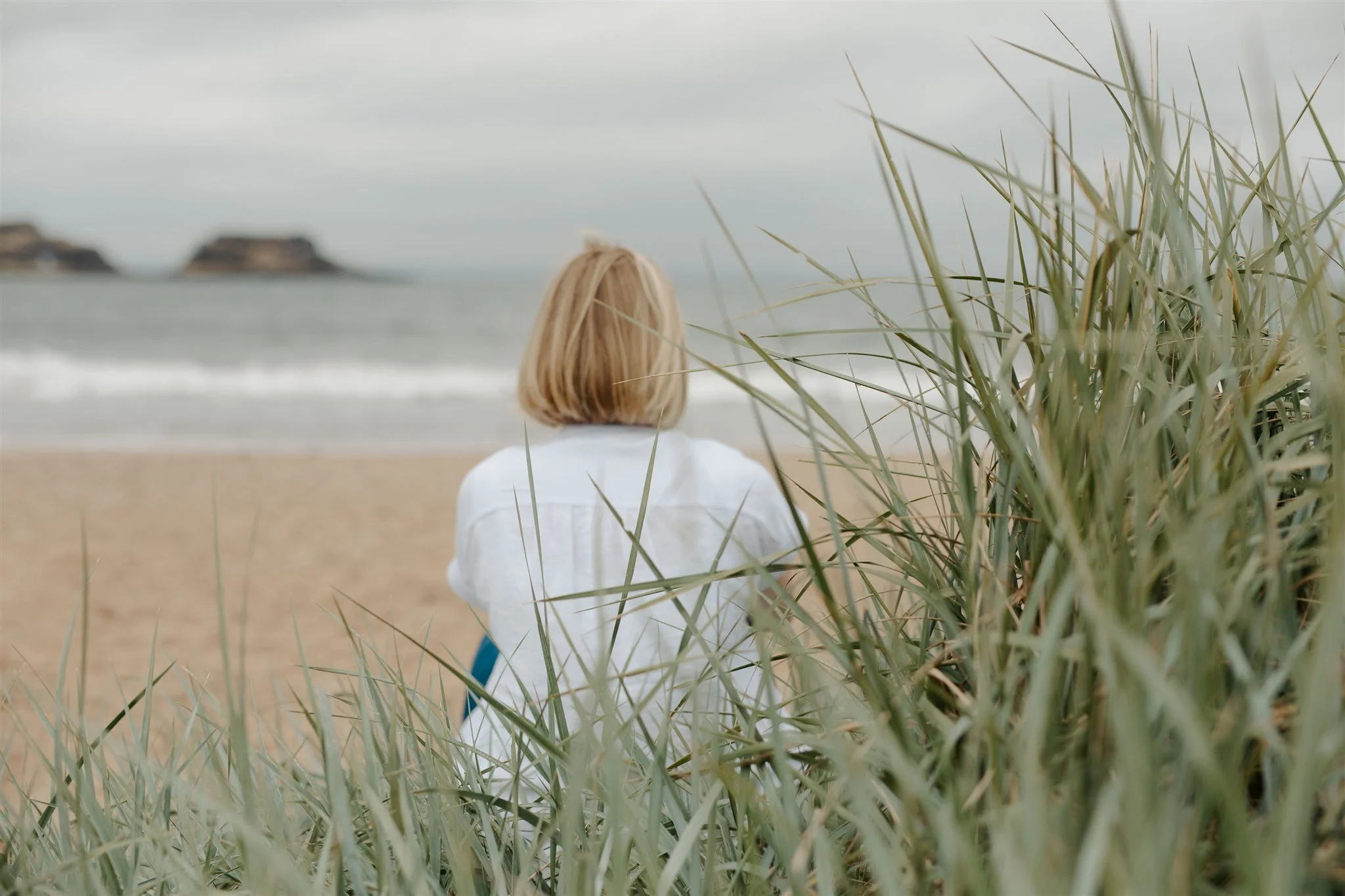
That practice mirrors how I try to live and work: attentively, with care for what’s often overlooked. It reminds me that rhythm matters more than urgency, and that presence, rather than productivity, is what sustains us over time.
As I move into a third year of daily photography, I am comforted by the idea that what we notice, notices us back.
Looking ahead
As I look ahead, I hope to continue weaving seasonality into professional spaces, not as an add-on, but as a quiet form of resistance to burnout culture. A reminder that growth is cyclical, not linear. And that lasting change begins by working with the rhythms we already carry.
Seasonal living has taught me that noticing matters - noticing energy, noticing limits, noticing what is ready to emerge and what needs time.
We’re not meant to live, or lead, at full stretch all year round.
You can find out more about Sarah and her work on her website Saorsa Psychology or over on her Substack publication and podcast, Space to Think and you can also follow her on Instagram. Your Woven Year and Your Woven Week are not just for educators and are available to purchase.
Brand photography by Anna Considine of Studio Gently Product photography by Katie Rhona
Inspired by Sarah’s story? Discover more creative people living slow, simple and seasonal lives in our Slow Spotlights series. You can also join our community, Rediscover · Reconnect · Re-Emerge for weekly reflections.