
Bee-Friendly Flowers for a Cottage Garden: 11 Plants for Bees and Pollinators
In recent years, there has been a growing recognition of the importance of bees and other pollinators, after all, some 70% of what we eat is made possible through pollination. It’s not only about food though - bees and other pollinators ensure the survival of wild plants which are essential to so many of our wildlife species. Rewilding our gardens and green spaces is something we read about a lot, yet far from being a new invention, it is merely a return to how things were in the past.
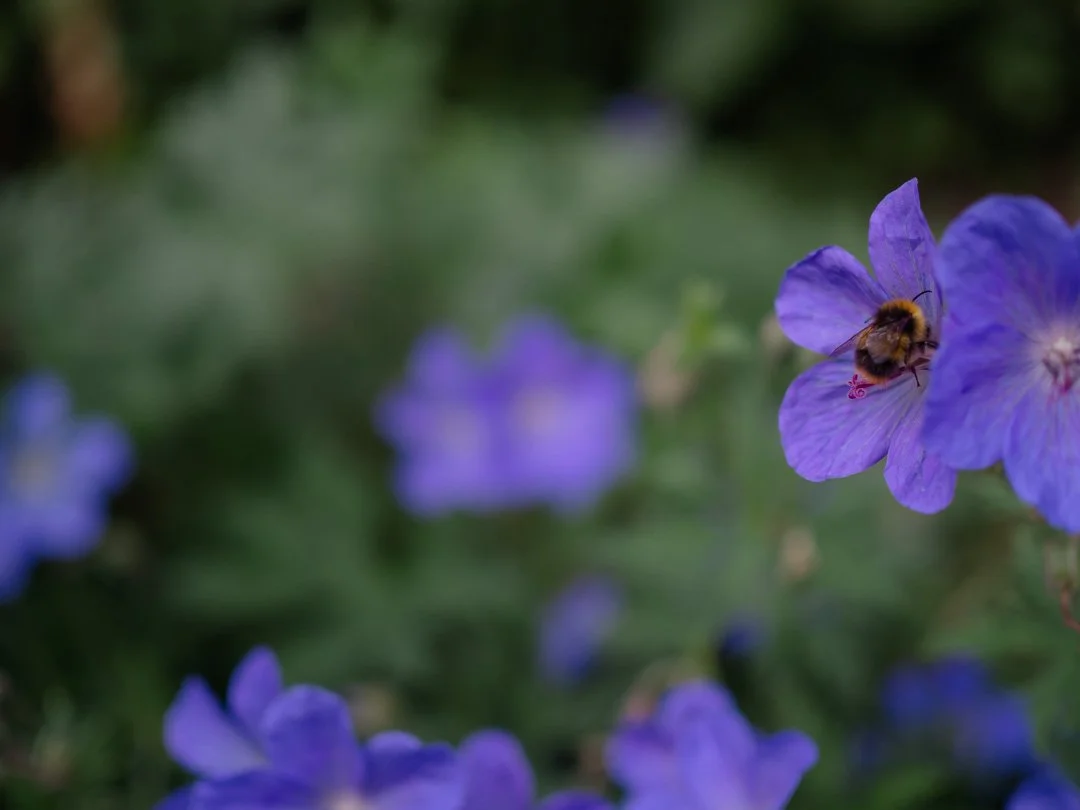
In recent decades, three bumblebee species have become extinct, and it is thought at least one in every ten species of wild bees is under threat of extinction. Changes to the way we use the land, heavy use of pesticides and herbicides, urbanisation, disease, and destruction of vital habitats have all contributed to this decline.
It’s easy to feel despondent about this, yet as individuals, families, households, and communities, we can do so much to reverse this decline. Better still, it is some of the most common - and most beautiful - of the cottage garden favourites which bees and other pollinators love so much.
Avoiding using herbicides and pesticides, adding a bee hotel, and retaining the so-called lawn weeds such as clover, are all things which can help too. In her book Rewild Your Garden, Francis Tophill offers five excellent reasons to rewild your garden:
Create a natural and unspoilt haven for wildlife
Reduce chemical use
Cherish undervalued plant species
Balance the ecosystem in our gardens
Protect the planet’s future
You don’t have to have a large garden, you don’t have to live in the countryside, and you don’t have to own a cottage to make a difference. Even in our small, weirdly-shaped suburban garden, we have managed to create a haven for bees, insects, butterflies, and other wildlife.
Some might say that by recreating the cottage gardens of the past - by rewilding - we’re just harking back to the ‘good old days’, but what if in fact, the past was the key to our future? Maybe the old ways aren’t so old after all.
In this Journal entry, I want to share 11 of the flowers in our own garden which the bees and other pollinators love. Not only are these plants loved by insects themselves, but they are some of our favourite cottage garden flowers too. In the words of Kipling:
‘And the Glory of the Garden that it may not pass away!’
Dianthus
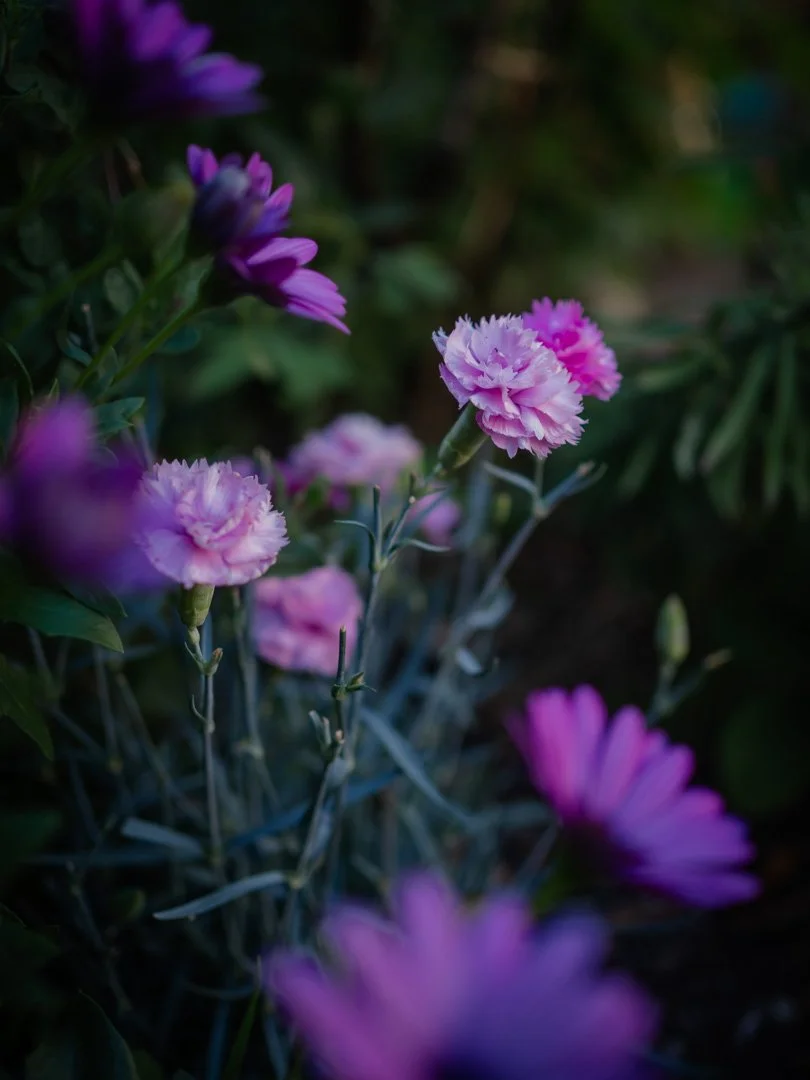
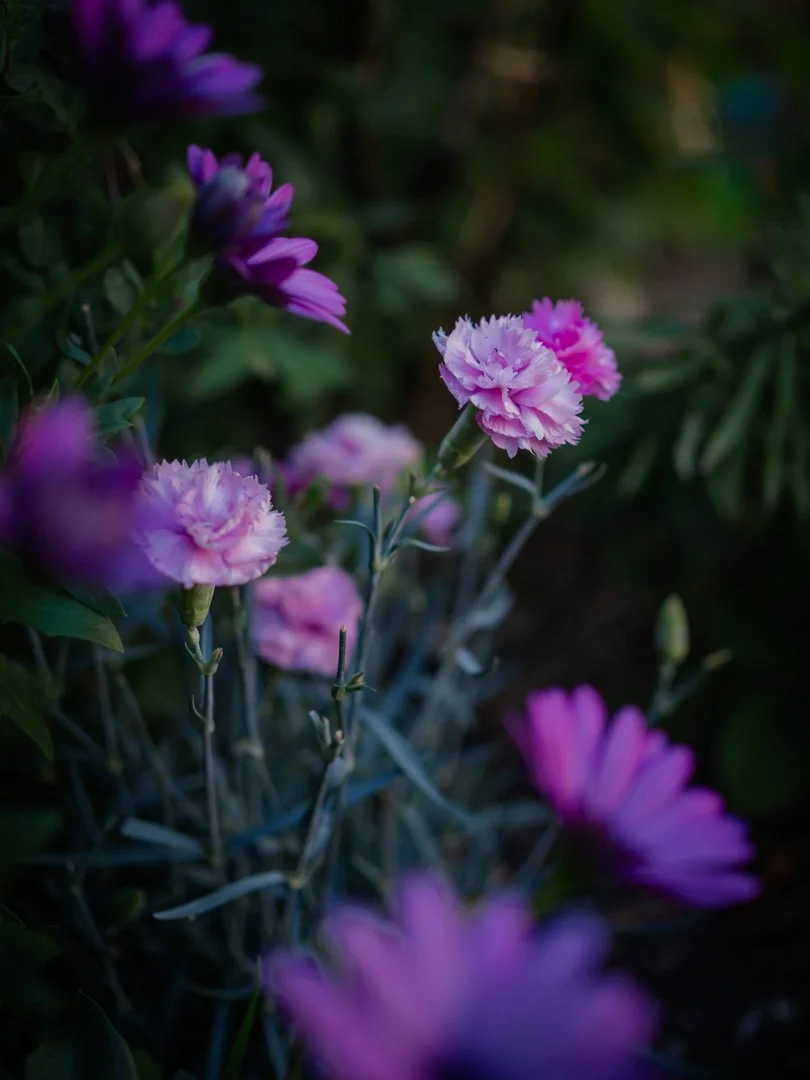
Also known as ‘pinks’, ‘carnations’ or ‘Sweet William’, dianthus have fragrant, frilly-edged flowers, and it is believed that there are over 300 varieties in existence. They are a rich source of nectar and pollen for bees, and have been veritably described as offering a whole ‘buffet’ for pollinators. As the roses grow higher, dianthus offer us some vibrant colour at ground level from late-spring and into early-autumn.
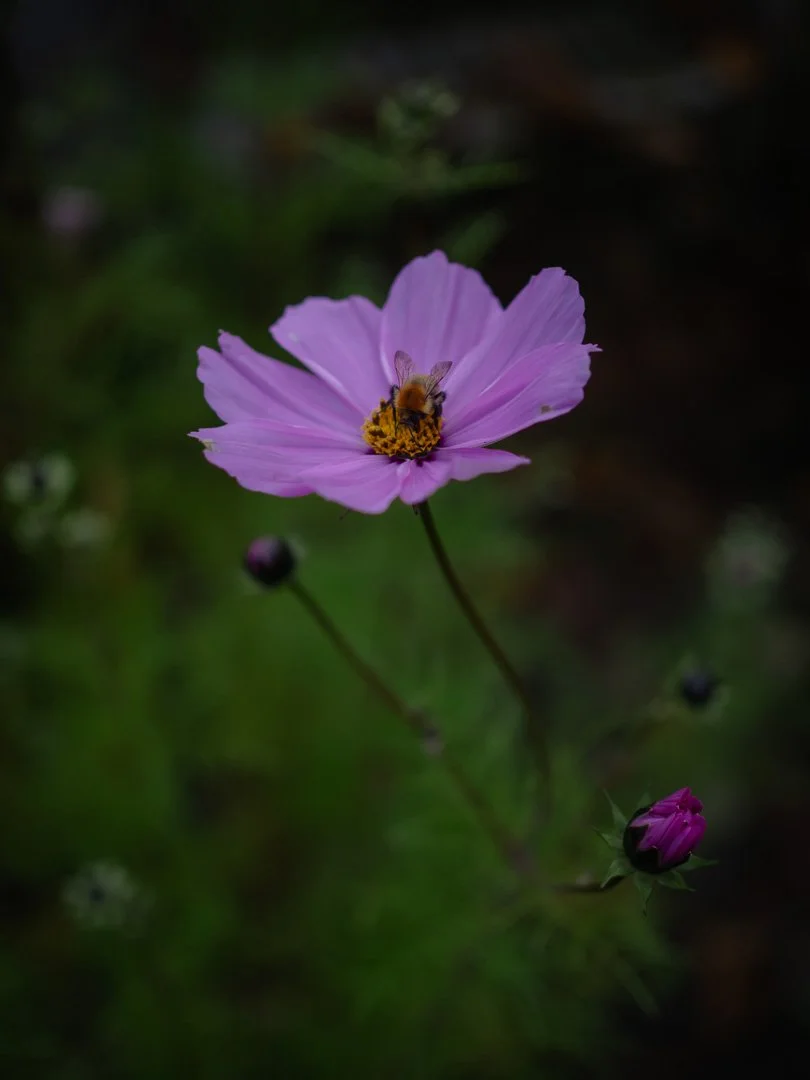
Cosmos
Often described as ‘low maintenance’, cosmos are known for their daisy-like blooms which flower from mid-summer through to early-autumn. Some varieties can grow as high as 2m and we often grow them from seed in large pots (proof that even a pot will do). Bees and pollinators like cosmos’ open structure and their plentiful supply of pollen and nectar throughout the season.
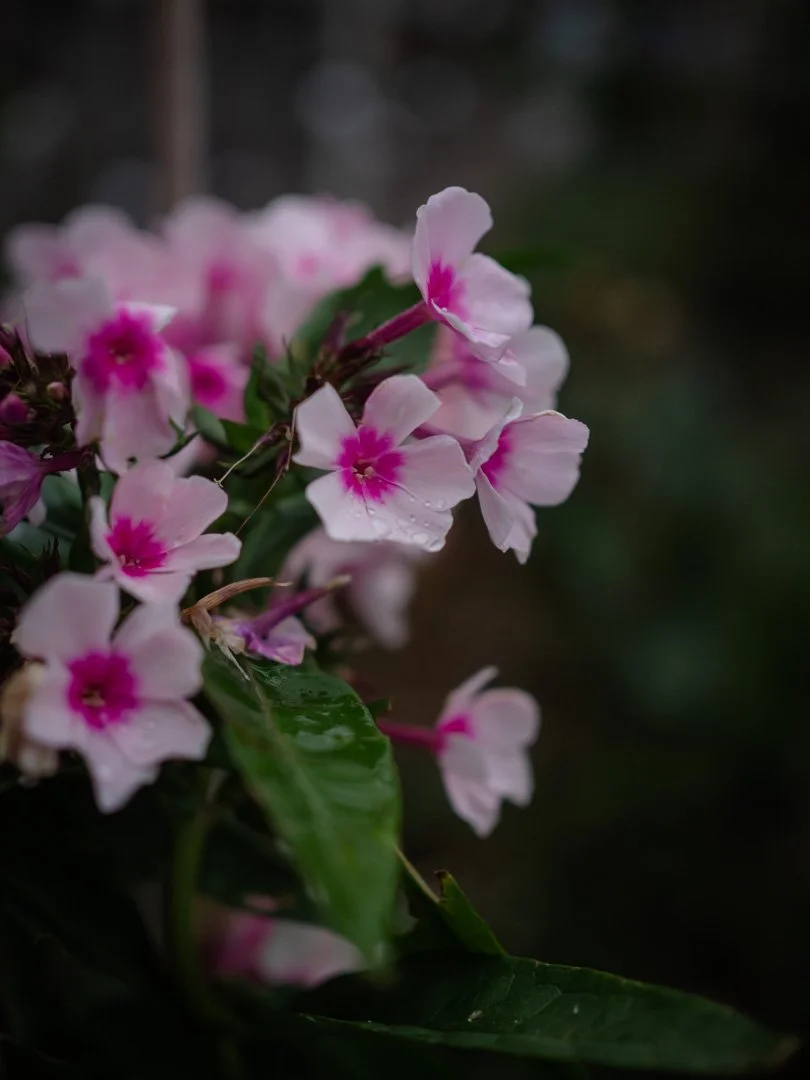
Phlox
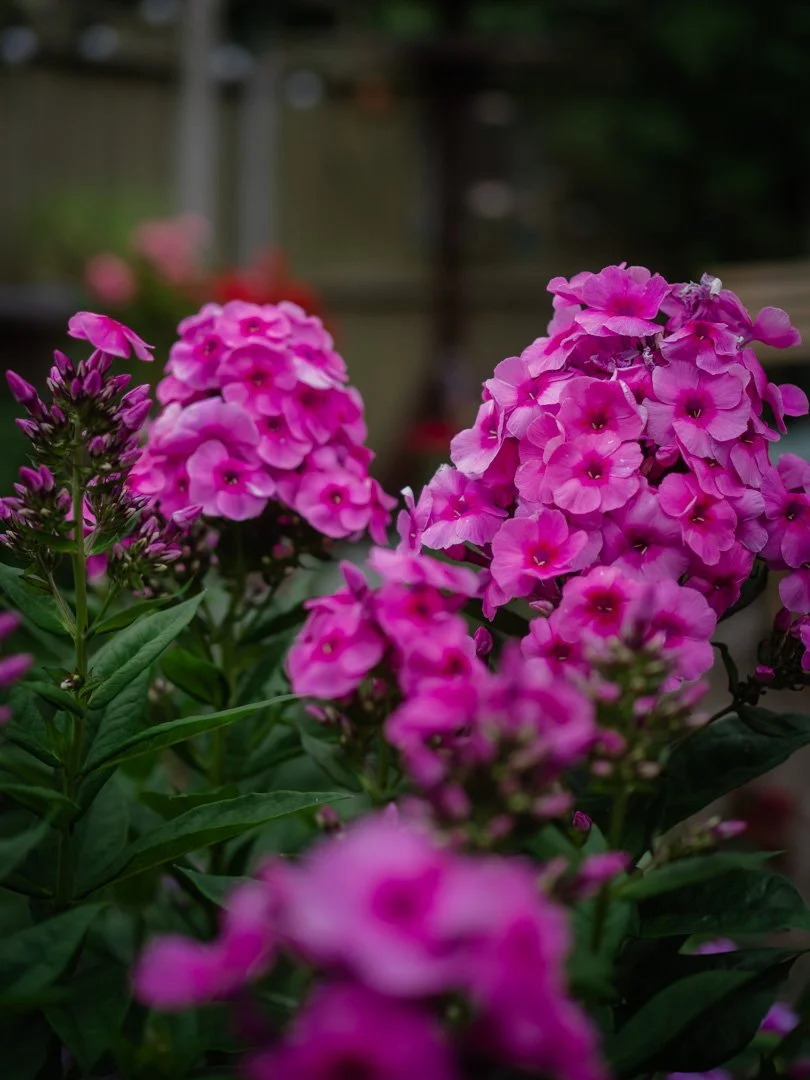
Phlox, not to be confused by Beatrix Potter’s flopsy bunnies, are one of the quintessential flowers found in an English cottage garden. They are highly fragrant and often flower from June through to October. The bees love phlox for their tubular-shaped flowers, rich in nectar and pollen throughout summer.
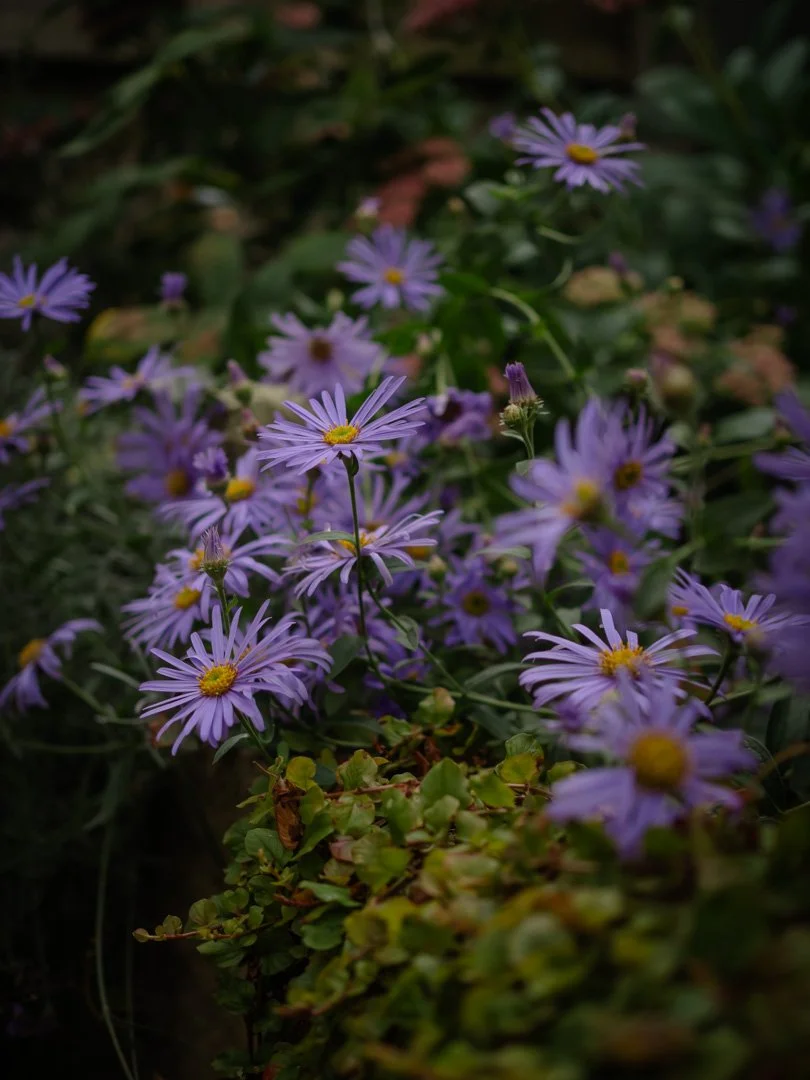
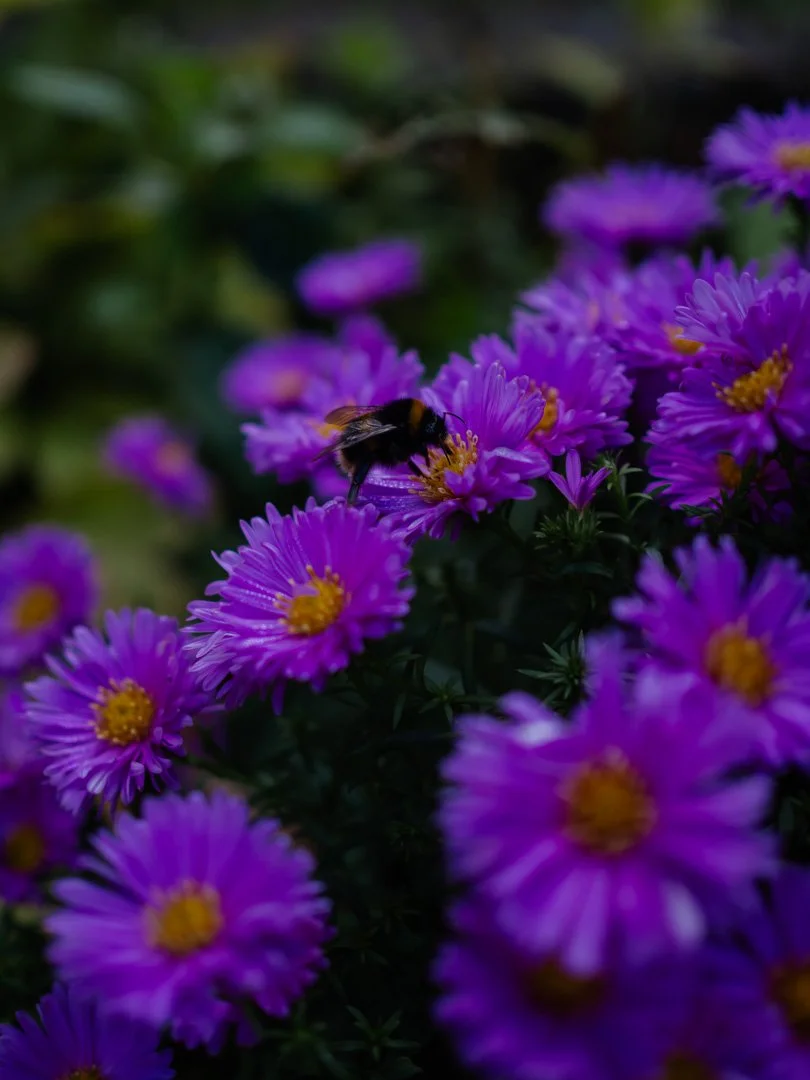
Asters
Commonly known as Michaelmas Daisies because they often flower around the Feast of St Michael, 29th September, asters offer a late-summer and early-autumn burst of daisy-like blooms when many of the other summer flowers are beginning to fade. Asters are especially important as they offer bees and other pollinators a welcome source of nectar and pollen in late-summer and early-autumn.
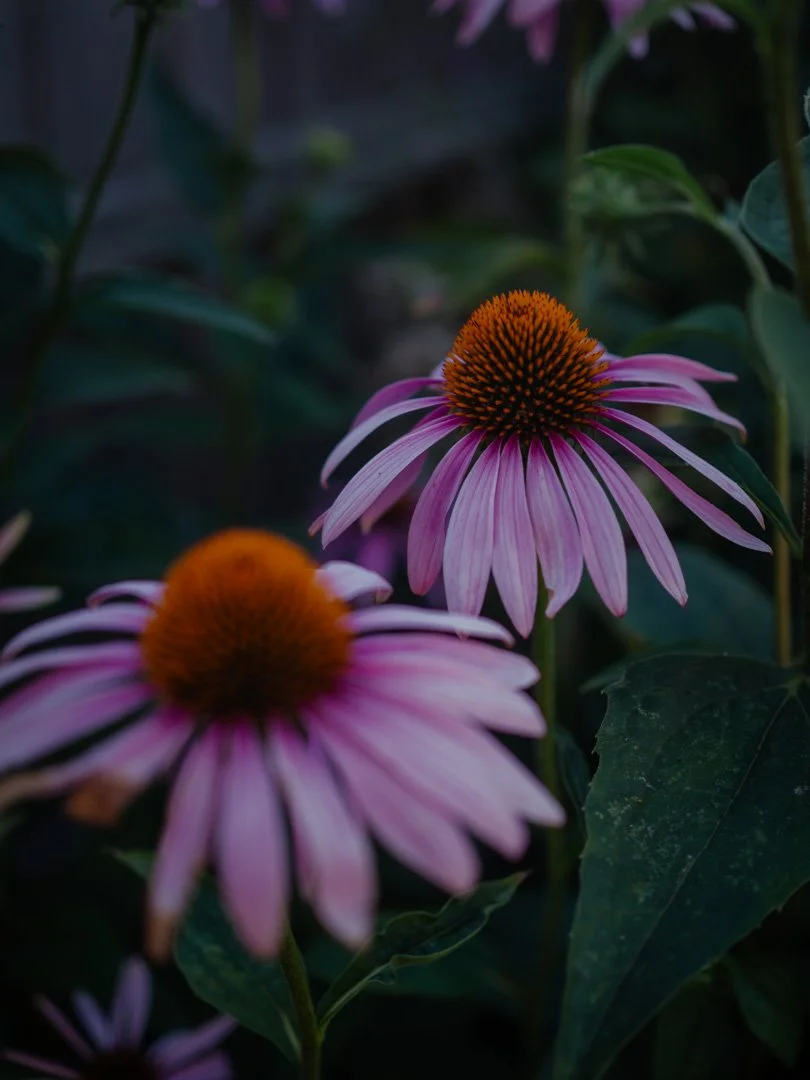
Echinacea
Sometimes referred to as a ‘coneflower’, echinacea is widely used as a herbal remedy to support immune health. Looking like bold daisies, echinacea flowers from mid-summer through into the autumn. Echinacea is popular with bees and other pollinators as their spiky central cone provides a perfect landing spot for gathering pollen and nectar.
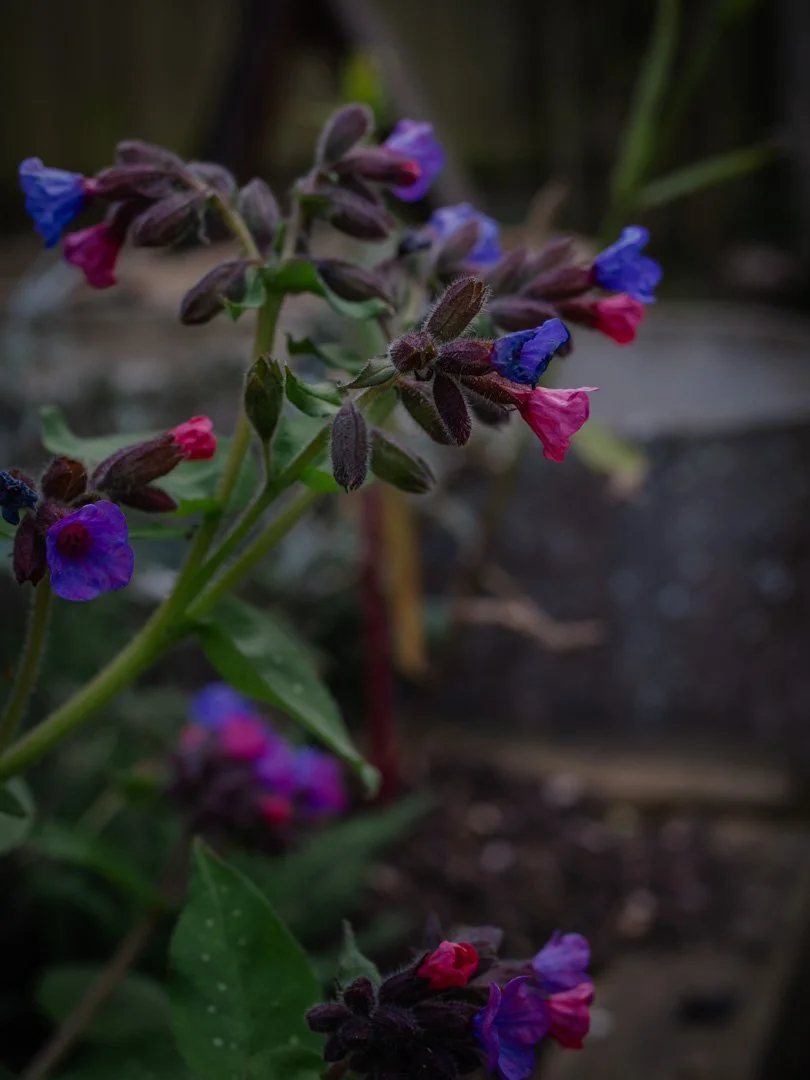
Pulmonaria
Also known by its less attractive name, ‘lungwort’, pulmonaria has attracted a plethora of other names over the years, including ‘Mary and Joseph’, ‘Jerusalem cowslip’, ‘soldiers and sailors’, and ‘Our Lady’s milk drops’. A lover of the shade, its pink and blue bell-shaped flowers bloom from March onwards. Pulmonaria offers a high yield of nectar and pollen in early-spring, and as the flowers change colour, from pink to blue, this signals to bees and other pollinators which are the youngest flowers.
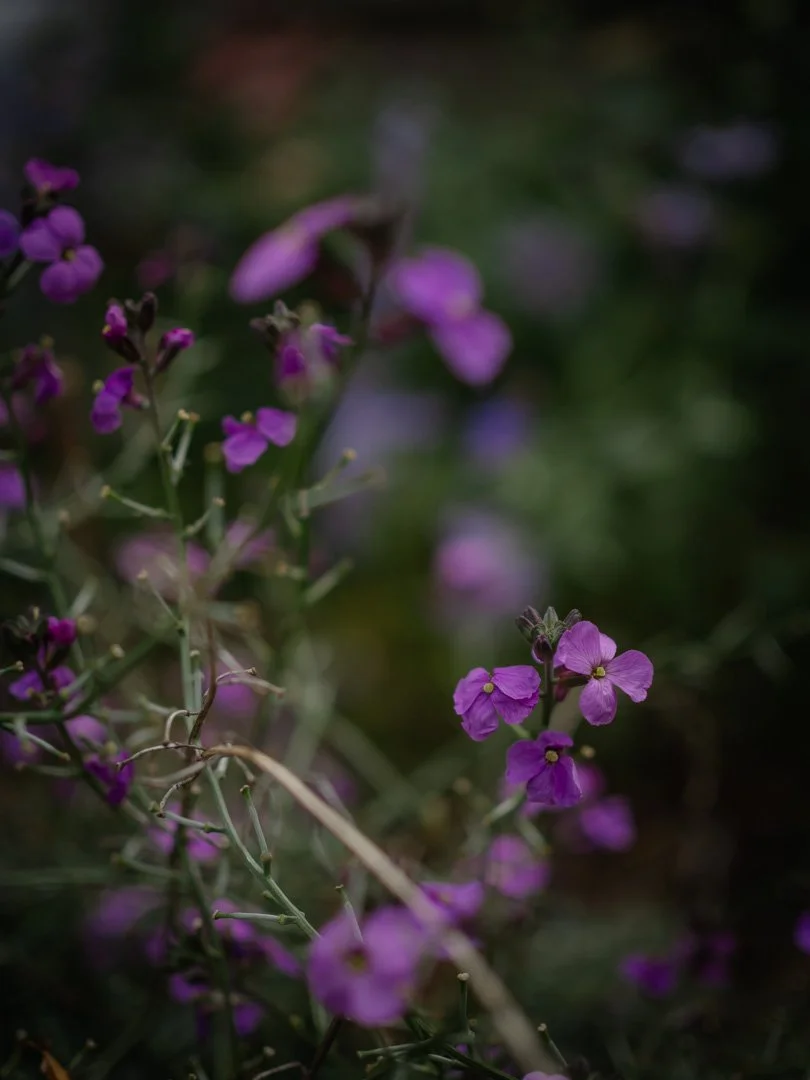
Erysium
Commonly known, perhaps unkindly so, as wallflowers, erysium have a long flowering season from early-spring through into the autumn. They come in all shapes and sizes, and a wide range of different colours. These pretty pink flowers are ‘Bowles’s Mauve’ named after E.A. Bowles, a renowned British plantsman, garden writer, and artist. Bees love wallflowers, particularly ‘Bowles’s Mauve’, because they offer a rich source of pollen and nectar early in the season, right through to the autumn.
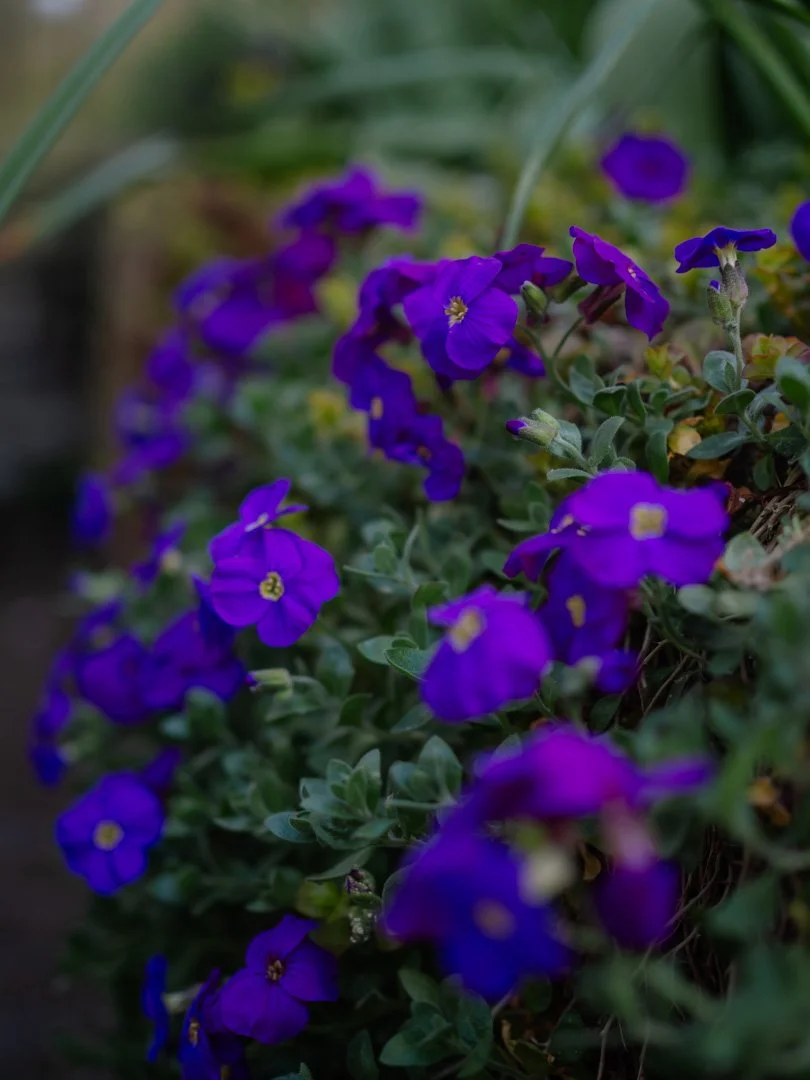
Aubrieta
With its deep purple flowers, we often see aubreita tumbling over walls from mid-spring onwards. Also known as ‘rock cress’, aubrieta offers a carpet of colour - purple and pink - from March through to May. Bees and other pollinators enjoy aubrieta as an early-season source of nourishment, particularly crucial for queens emerging from hibernation.
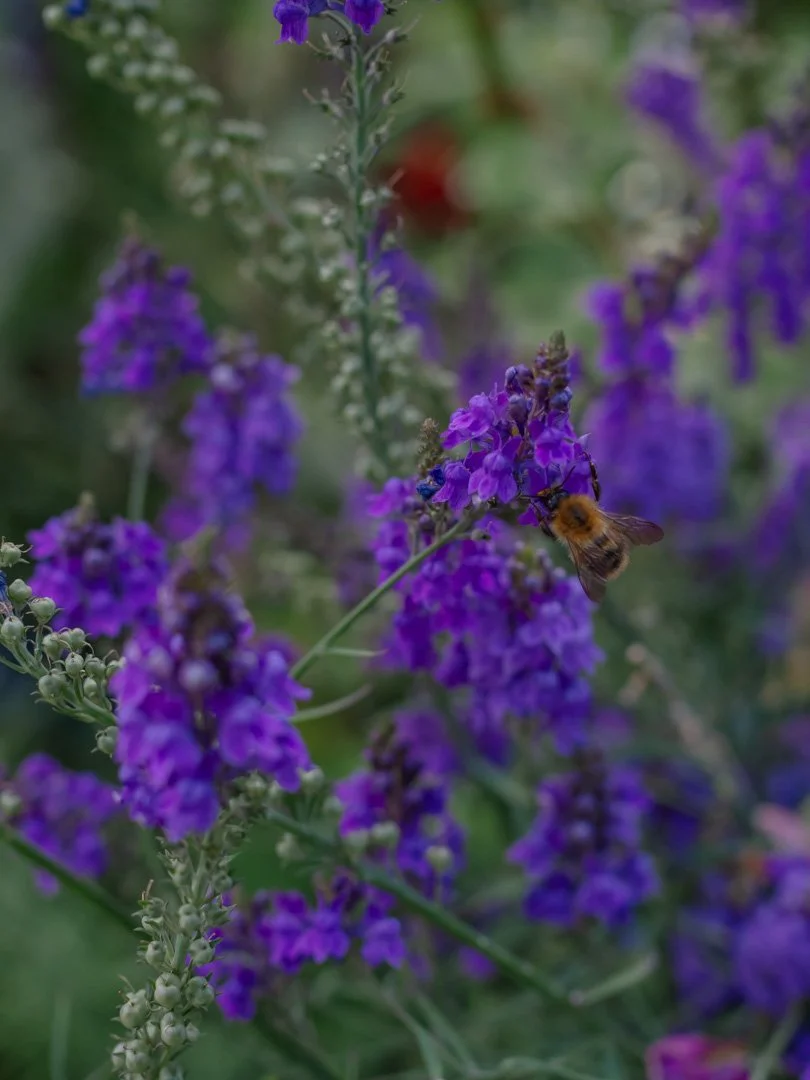
Purple Toadflax
If the bees had a favourite flower in our garden, then it is, by far, purple toadflax. Its tall, upright spikes of dainty, violet-purple flowers appear from June through to August, and the bees and other pollinators love it for its vibrant colour and rich source of energy-packed nectar and pollen. It has been described by some as a ‘nectar cafe’!
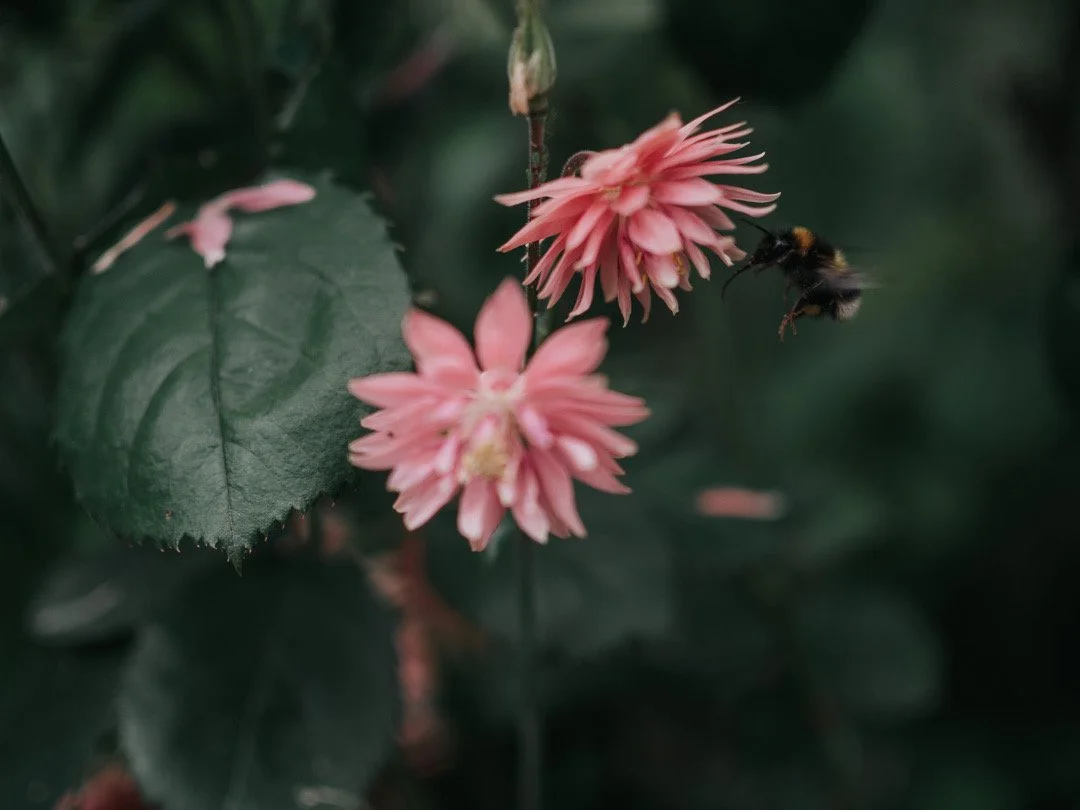
Aquilegia
Commonly known as ‘Granny’s bonnets’, aquilegia are another popular cottage garden wildflower. With their delicate nodding flowers, they bloom from late-spring into early-summer. Bumblebees in particular love aquilegia as their long tongues can reach deep into the tubular flowers.
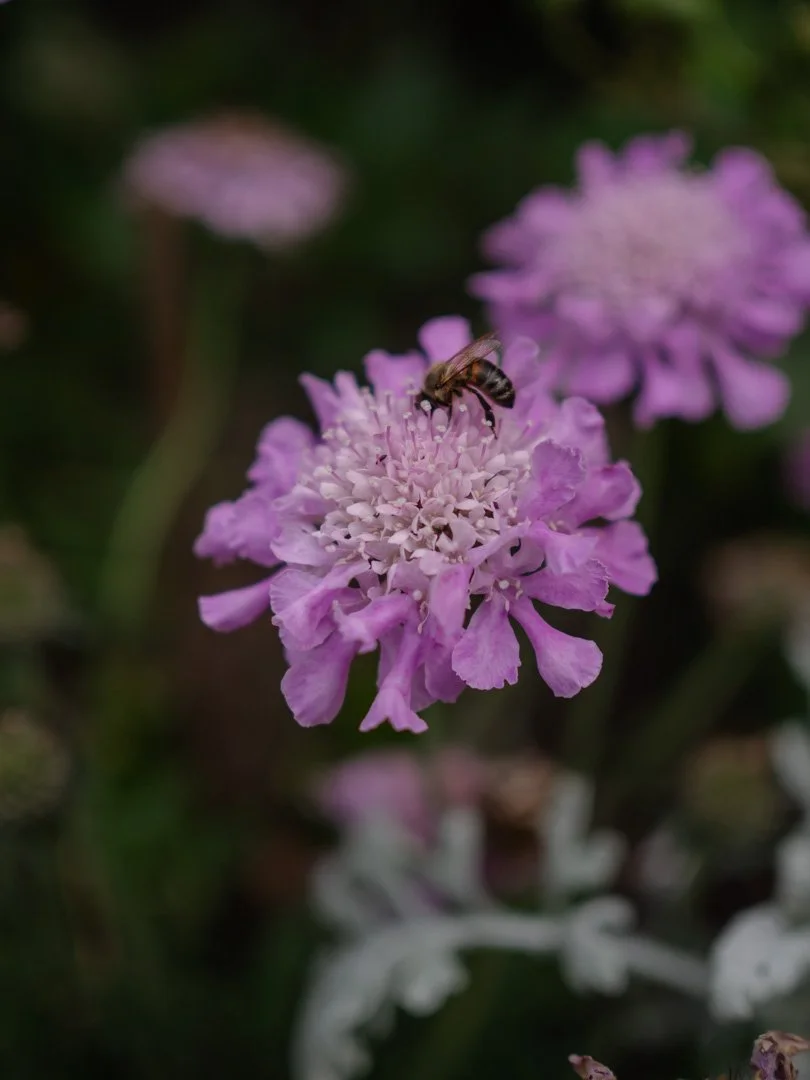
Scabious
Sometimes known as a ‘pincushion flower’, scabious are magnets for bees and butterflies blooming throughout the summer months. Coming in a range of pastel colours, the rare, solitary scabious-mining bee relies heavily on these flowers - the species is considered highly endangered in the UK, so if you like in Southern England, particularly the chalk grasslands, be sure to plant some scabious in your garden.
I hope I’ve inspired you to seek out some plants to entice the bees and pollinators in your garden - and after all, they are beautiful as much as they are useful. We feel so small, yet we can do so much - I think Francis Trophill sums this up:
‘Once we realize the vast impact we can have just in our own small spaces, I hope we will all begin to challenge those in power and request that they show similar sensitivity to wildlife when maintaining the precious land they are the custodians of…We can all play our small part in this revolution - which could be the difference between life or death fo many a treasured species.’
I wonder which flowers the bees love in your garden? Perhaps you’ll be tempted to add some of these plants too? I’d love to hear from you in the comments below.
If this Journal entry resonated with you, I’d love to invite you to join our Rediscover · Reconnect · Re-Emerge community for weekly reflections and more inspiration.
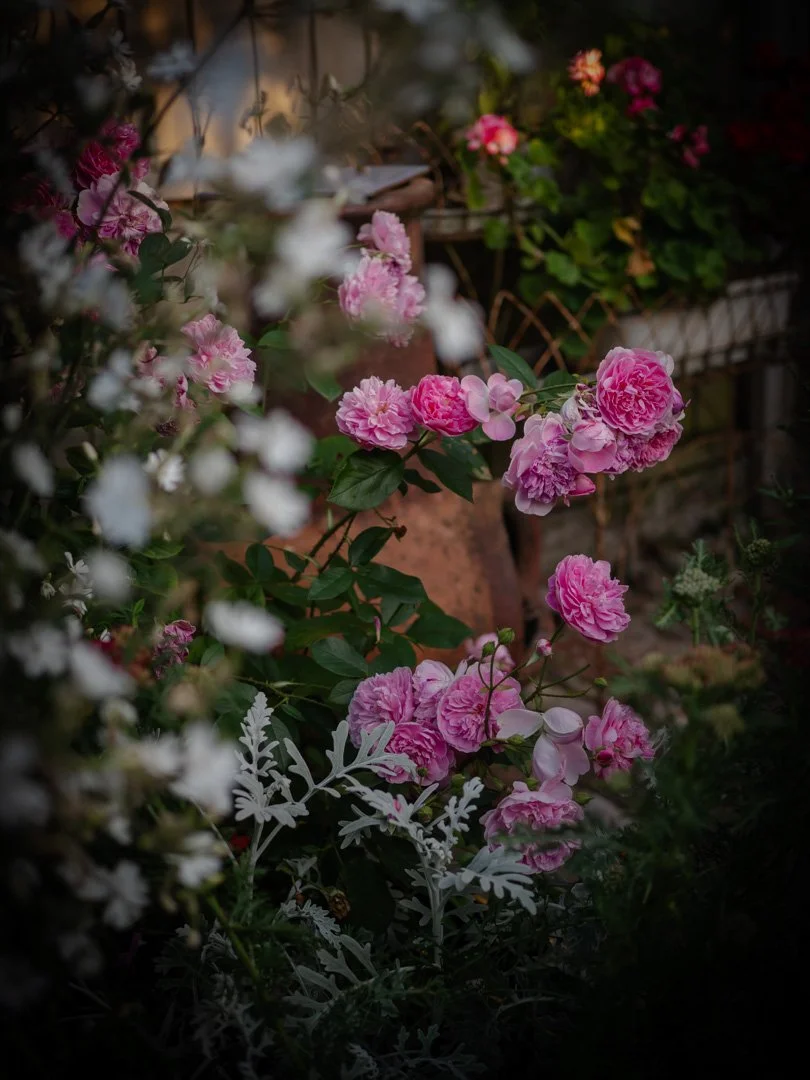

By planting simple cottage garden flowers, even the smallest space can become a haven for bees and other pollinators.