
The Cookbook That Led Me Back to Simplicity and the Seasons
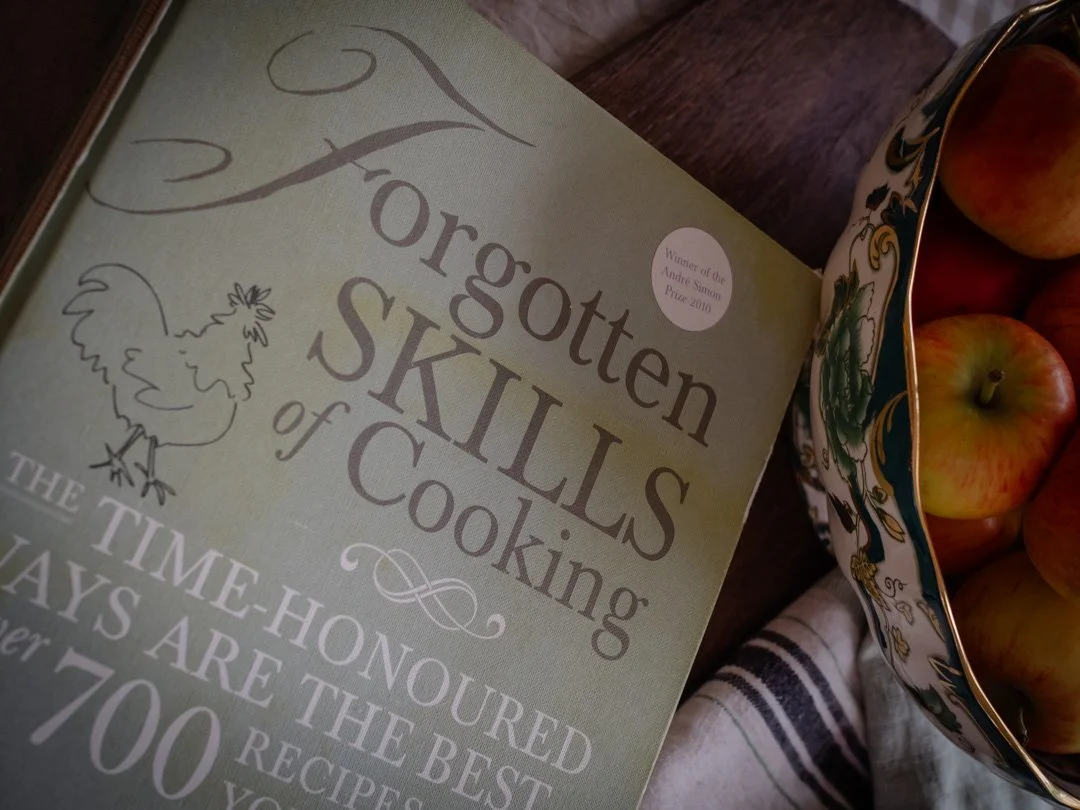
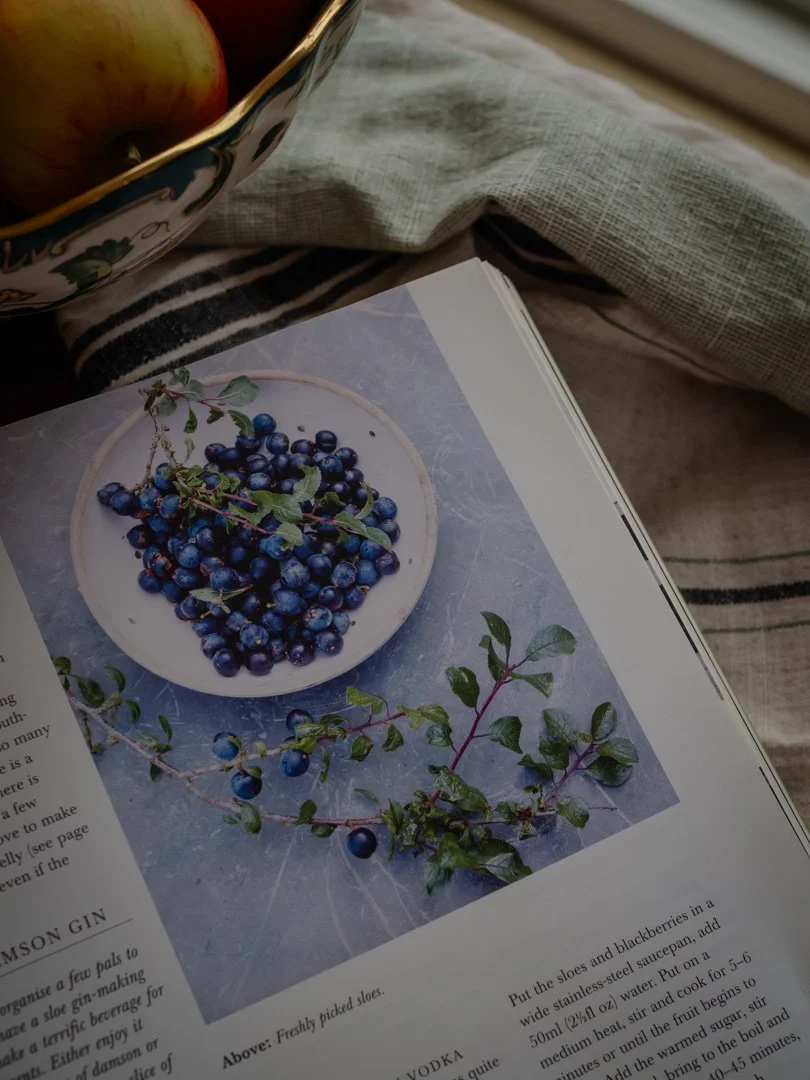
There are some books which change your life, and whilst that feels a little too strong a way to describe this particular book, it certainly changed forever my approach to cooking and to eating. The ‘time-honoured ways are the best’ declares the front cover - an enticing entry point in itself - but most of all for me, the book offered a quiet turning point in my own life - and a significant milestone on my journey to live a slower, simpler and more seasonal life.
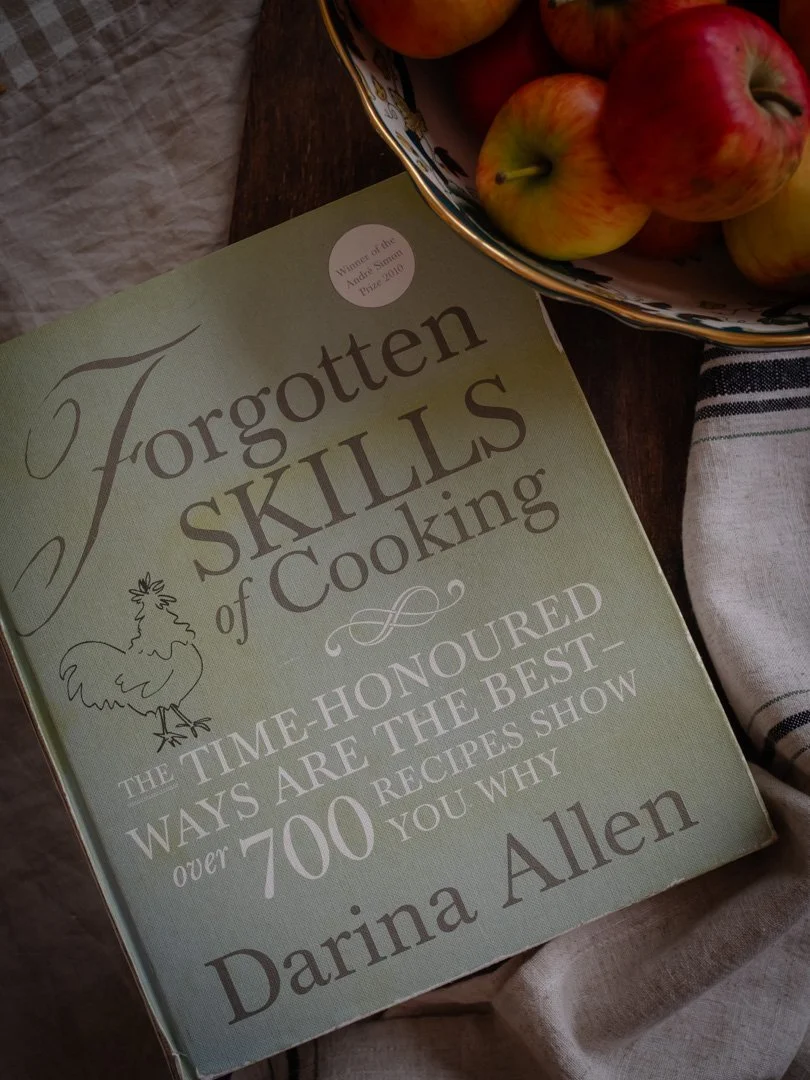
For me, Forgotten Skills of Cooking brought sharply to the fore, a sense that something had been lost - not dramatically, but gradually over time. It came into my life about 15 years ago, a time when change after change had taken its toll. I felt lost, perhaps even forgotten myself, but this book offered me a beautiful reminder - something which underpins the whole A Life More Creative philosophy - that which is lost, can be found.
Realising What I Had Forgotten
For me, as I’m sure for many of you, we had become reliant on convenience foods. That isn’t to say we didn’t cook from scratch, but we were dependent on the supermarket which offered us all we needed in one trip. It had become normal to buy rather than make. Even for me, as something who had always enjoyed cooking and baking, somehow I’d lost my way. There was a growing awareness that there was something deeply wrong and unsettling about this reliance on convenience.
Something was missing.
Some books find you at just the right time in life - Darina Allen’s Forgotten Skills of Cooking is one of them - I can’t remember where it came from, but I can, hand on heart, say it is one of my most cherished cookbooks, and one which has journeyed with me through many seasons.
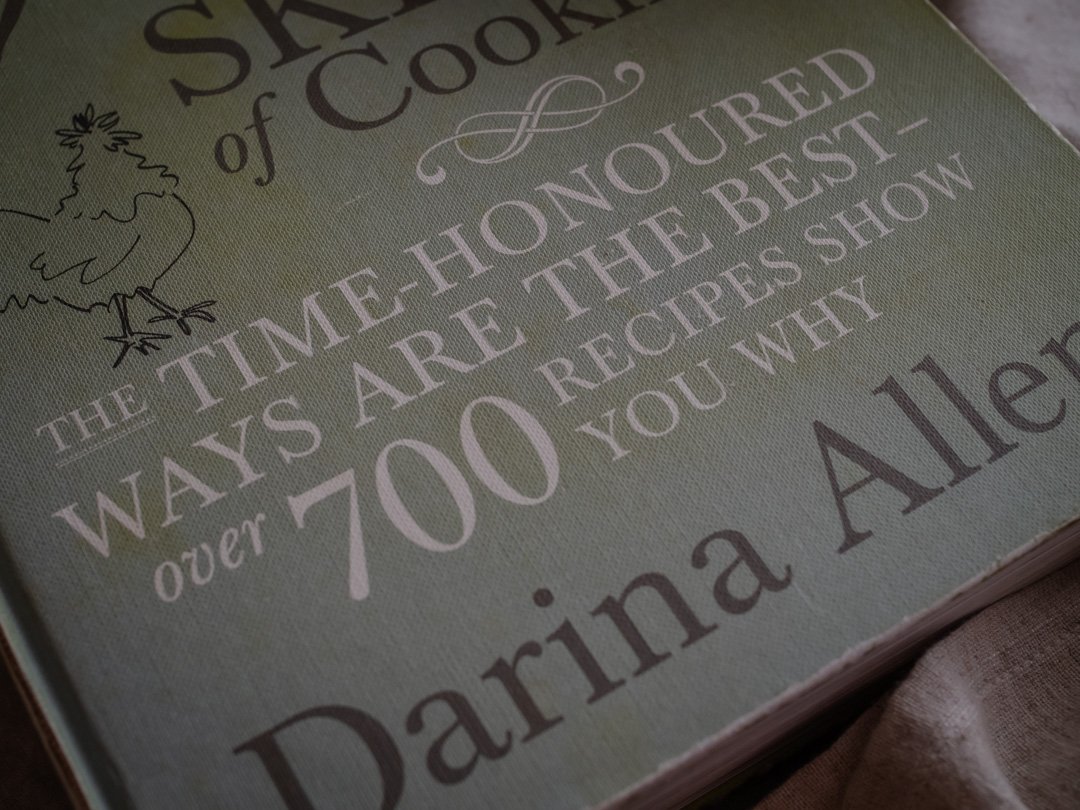
The book laid bare - not in a sanctimonious way, but as a gentle, nourishing reminder - that this dependence on convenience hadn’t always been the way. Suddenly, I discovered that all these things we went out to buy - bread, stock, soup, butter, yoghurt, and cheese - could all be made at home, from scratch. In some ways, this seems very obvious, but for many of us - just as it isn’t for many today - it simply hadn’t crossed our minds.
The Joy of Making Things From Scratch
In many respects, my whole approach to food and cooking has been shaped by the contents of this book. It offered a gentle, but much-needed reminder, that the most nourishing meals are those cooked with simple, seasonal ingredients. The author sums it up - eating good food in season, cooked economically, and in a way which offers us a connection not only with the ingredients and producers themselves, but with the generations who came before us. In cooking simple food from scratch, we find satisfaction in the process - in slowing down, creativity, and craftsmanship.
Cooking with the Seasons, Not Against Them
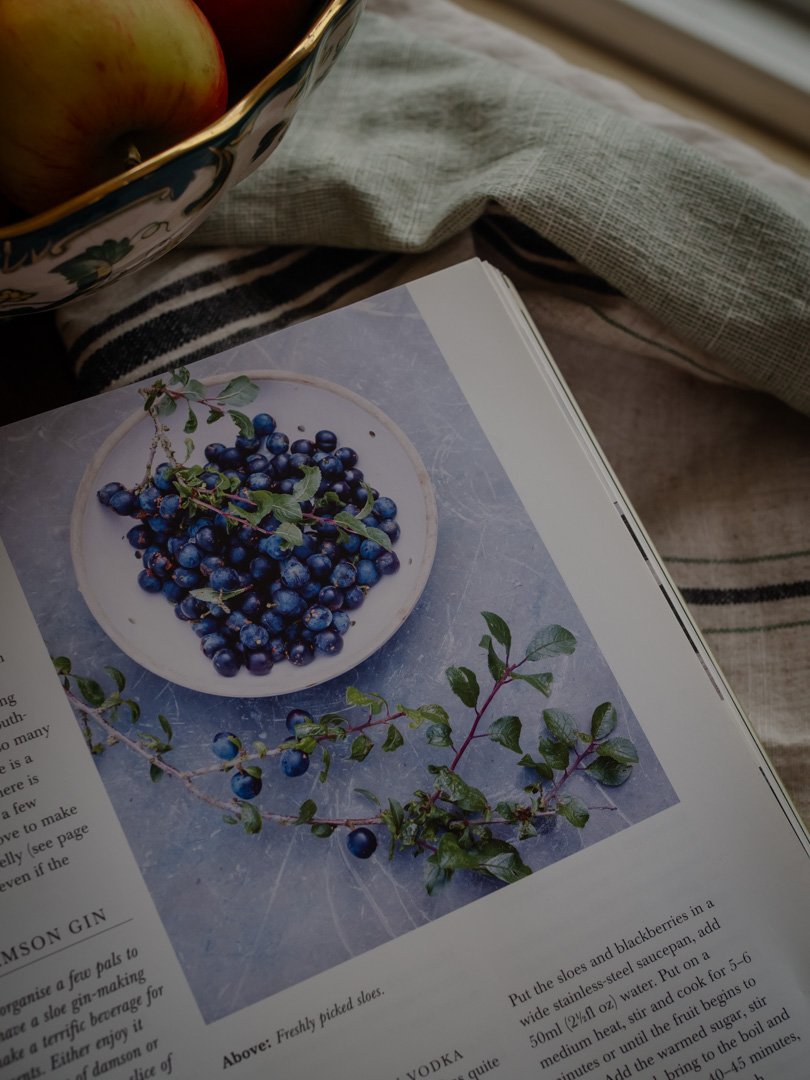
We have become accustomed to being able to buy anything we want, all year round, quite often, 24 hours a day. Forgotten Skills of Cooking was a wake-up call: just because these things are available, it doesn’t mean we have to consume them. In fact, in anticipating their arrival - their short, precious seasons - we discover so much more. Perhaps simplicity comes from fewer choices? For millennia, the seasons have guided our eating - hearty stews in winter, lighter meals in summer. So many of the so-called super-foods we have thrust in front of us today are nothing new.
The Wisdom Hidden in ‘Forgotten Skills’
It is true that our desire for convenience has left little space for these ‘forgotten’ skills. As Darina Allen writes:
‘In the past 20-30 years, many people have concentrated on careers and a certain set of academic skills. The subliminal message coming through our educational system…was that cooking and gardening were skills that one oughtn’t be bothered with and would never need to know.’
Deep down, I think there is a craving to return to these things. There has already been a gentle awakening in society - demand for allotments far outweighs supply. Perhaps there is a realisation that these most basic of skills aren’t outdated - they have simply been forgotten - but what has been forgotten can be remembered, and may still serve us well. As the author goes on to write:
‘With oil supplies diminishing and energy prices rising, we are likely to need these skills even more in the future.’
Written in 2009, never were these words more true than at this moment in history.
A More Practical, Grounded Way of Living
So what have I learnt most in rediscovering these ‘forgotten skills’?
Firstly, it’s not about perfection - it’s not an ‘all or nothing’ approach. We are constrained by the time and energy we have available, the places we live, and the availability of ingredients, but I have learnt that making small changes over time really does bear fruit. We can choose a few things to make, rather than buy - and we can allow these things to shape a gentler rhythm in life. The ‘ideal’ can seem far off, but small, realistic shifts can still nurture and nourish us in ways we never thought possible.
Here are just a few of the things I’ve learnt along the way - I hope they offer some encouragement for your journey too:
Bake your own bread
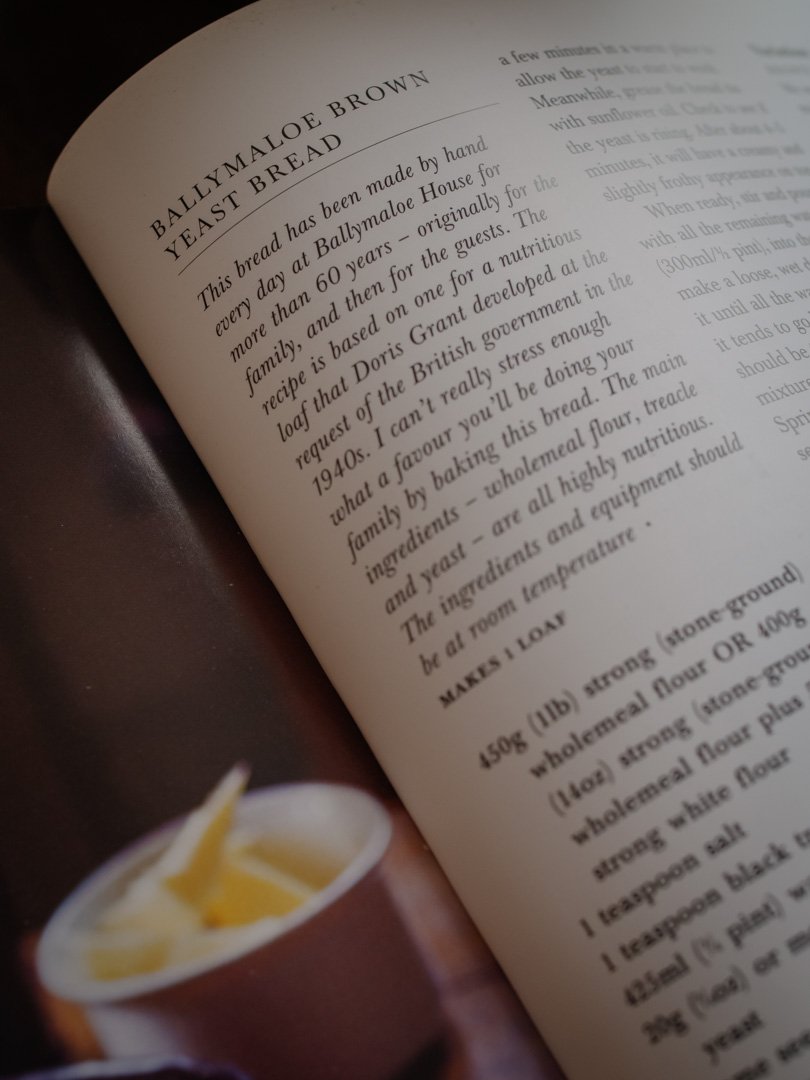
Whether it be soda bread, yeasted bread or sourdough - more than anything else, I value having control over what goes into the things I make. This basic staple is simplicity personified.
Enjoy having the same meal for more than one day
A rich stew or casserole will last 2-3 days and improve with keeping. It is simple, economical, and saves a huge amount of time. With access to worldwide cuisines, I think we’ve got used to expecting a different type of meal every day, but it hasn’t always been like that.
Take an interest in where your ingredients from come
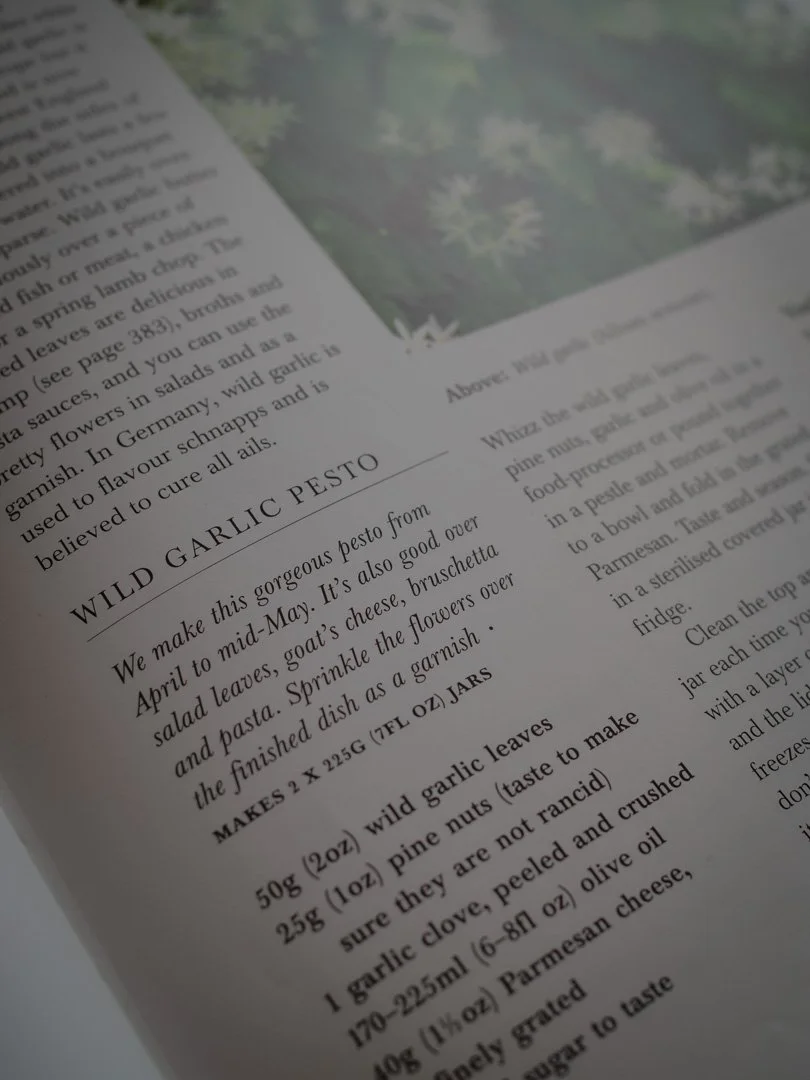
Where possible, I love to make a connection with the producers and suppliers whose ingredients end up on our table, whether it’s meat, poultry and game from Pipers & Co, beremeal and oatmeal from Barony Mill, or flour from Gillchesters.
Embrace slow cooking
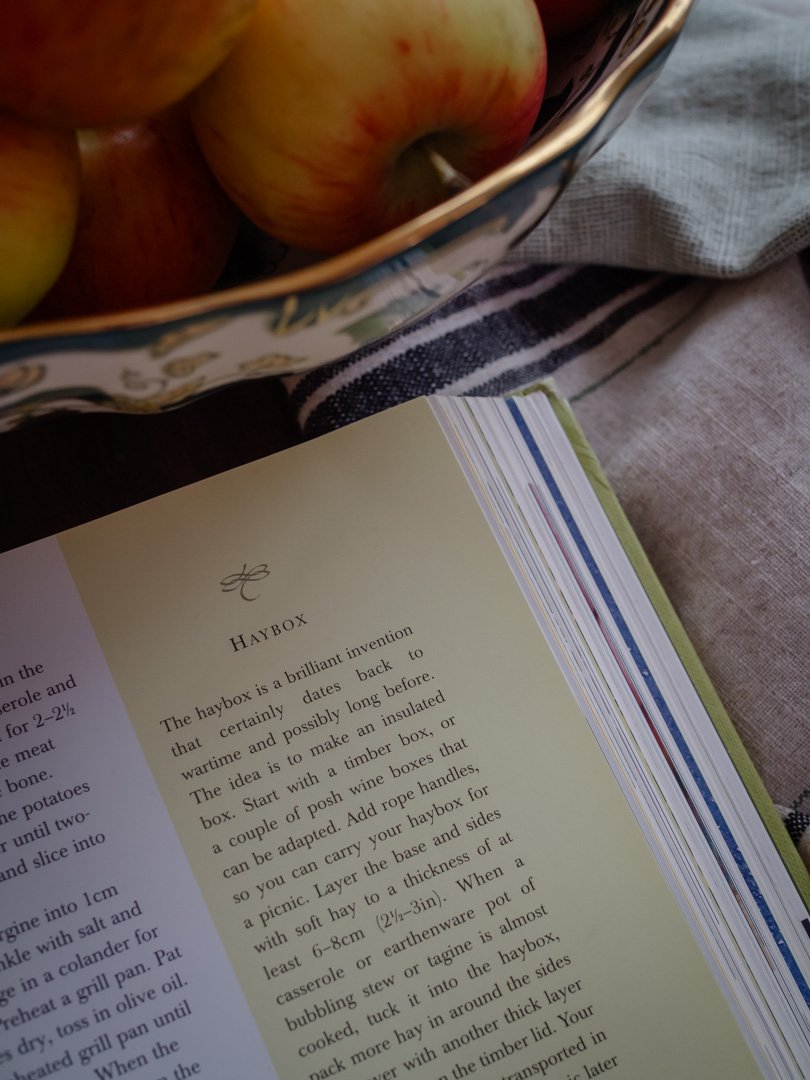
In our quest for convenience, we forget that good food can take time. But I’ve also learnt that it’s not necessarily my time which is taken up - on the contrary - it took me less than half an hour this morning to prepare and brown the meat and vegetables for a stew - it has spent five hours in a low oven during which it has required no attention at all.
Bulk things out
Our ancestors were far more thrifty than us, so they knew that to make a little go a long way, meals could be bulked out with things like pearl barley, dumplings and lentils. All these things are deeply nourishing, and they absorb the bountiful flavours already present in the dish.
It doesn’t always cost more
I think there’s a bit of a myth that cooking from scratch, particularly with quality, sustainable, and well-sourced ingredients, costs more. On the contrary, it often costs far less, particularly when you compare meals to their convenience equivalents.
Accept your limitations
I’d love to make my own butter, but I have to accept that it is more economical to buy a good quality ready-made version. Changing our cooking and eating habits is as much about gentle acceptance as it is about the larger shifts.
An Ongoing Journey, Not a Destination
I’m still learning, I’m still rediscovering, and I’m still simplifying. My love of this book and the philosophy which drives it remains undiminished, but I also recognise that these shifts represent an ongoing journey, not a destination.
Forgotten Skills of Cooking rooted me in something timeless - in simplicity, slowing down, and living alongside the rhythms of the changing seasons. It is not a rejection of modern life, but it is an approach which respects something older - something which remains as relevant today as it ever was. It’s an approach which served human beings for centuries before, and it can do in the decades to come.
I wonder which cookbook reshaped your approach to cooking and eating? I’d love to hear from you in the comments below.
If this Journal entry resonated with you, I’d love to invite you to join our Rediscover · Reconnect · Re-Emergecommunity for weekly reflections and more inspiration.
30 years on, the Two Fat Ladies still inspire me on my seasonal cooking journey, but why has they legacy endured so long, and how might they inspire you too?