
Slow Spotlight: Floriane of The Quiet Days, on Slowing Down and Finding Healing
So many people have inspired me on my own journey towards living a slower, simpler and more seasonal life, and I’d love you to be inspired too. The Slow Spotlights series shares with you some of their journeys, and I hope that by reading about these, you too may be inspired and encouraged.
What does living slowly, simply and seasonally mean to you?
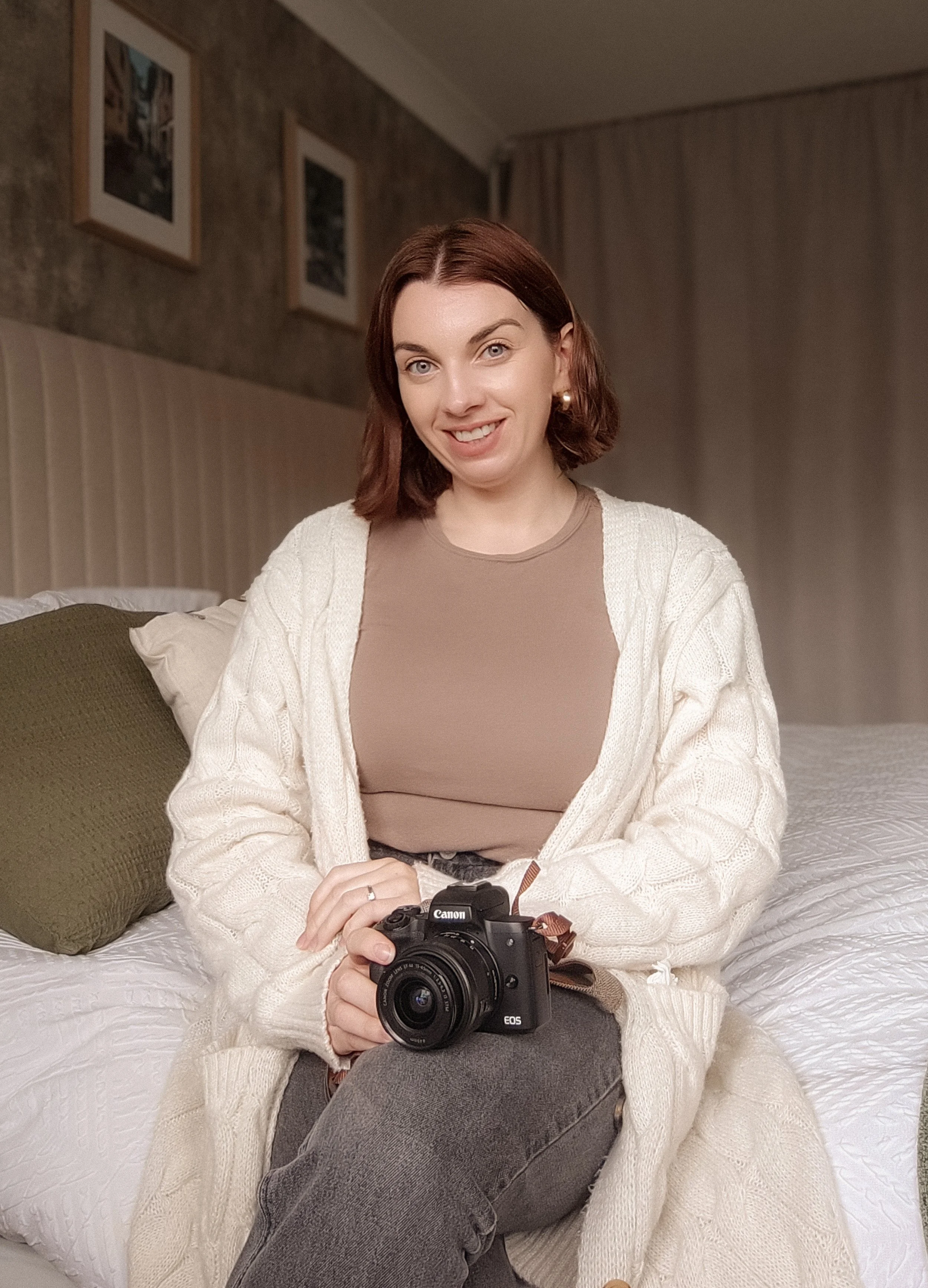
In this Slow Spotlight, I’m thrilled to introduce you to Floriane, the creator behind The Quiet Days, a slow living universe inspired by countryside life, simplicity, and intentional living. After a life-changing period that led her to slow down and reconnect with herself, she left city life behind and is now rebuilding a more grounded and mindful lifestyle in the French countryside.
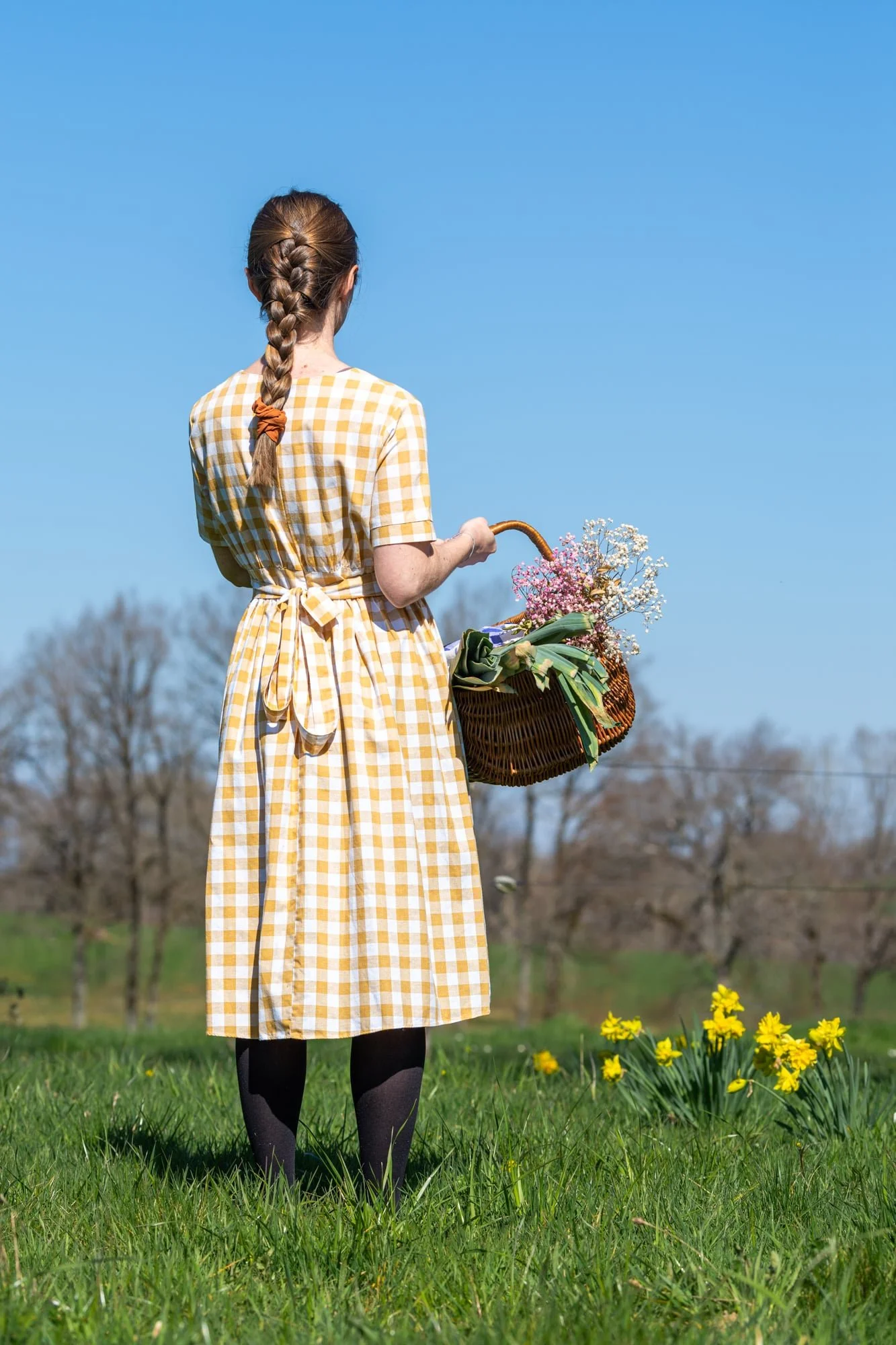
Here she reflects on the journey that led her from stress, anxiety, and disconnection towards a slower, more intentional way of life; one shaped by healing, self-awareness, the rhythms of the natural world, and the quiet beauty of everyday moments.
When did you first become aware that you craved a slower and simpler approach to life?
For a long time, I was living for other people rather than for myself. I found myself in deeply unhealthy environments and relationships, constantly managing other people’s emotions and problems, without ever really asking what I needed or how I truly felt.
I spent years in a state of anticipation, always expecting something to go wrong, living in an atmosphere of stress and emotional exhaustion. Eventually, my body reached a point where it simply couldn’t keep going in the same way. A difficult health experience became a turning point for me, and what followed was a period marked by anxiety, hypervigilance, and feeling disconnected from myself.
For a long time, I searched for answers and ways to heal. But the real shift came when I discovered the importance of nervous system regulation and learned to slow down enough to truly listen to what my body had been trying to tell me for years.
Slowing down became less of a lifestyle choice and more of a necessity, a way of reconnecting with myself. I began to understand that rest is not laziness, and that there is wisdom in listening inwardly. Today, although anxiety still often visits, I know that when life feels overwhelming, the answer is not to push harder, but to slow down, reconnect, and listen to myself with gentleness.
What does living slowly, simply and seasonally mean to you?
To me, living slowly, simply and seasonally means learning to feel content with what I already have, and finding joy in the quiet beauty of everyday life: a warm cup of tea, the softness of my sofa, sunlight pouring through a window, or the colours of a countryside sunset.
It also means allowing myself to live more intuitively. I try to listen closely to my body and what it truly needs, rather than constantly following expectations or routines for the sake of productivity. If I feel tired, I rest. If something feels too much, I try not to force myself simply because I feel I ‘should’.
Over time, I’ve learned that slowing down often means listening. This has changed the way I approach daily life. I no longer fill my days with unrealistic goals or endless to-do lists (except perhaps in my content creation work!). Instead, I try to move with the energy of the day, asking myself what feels nourishing or meaningful in that moment.
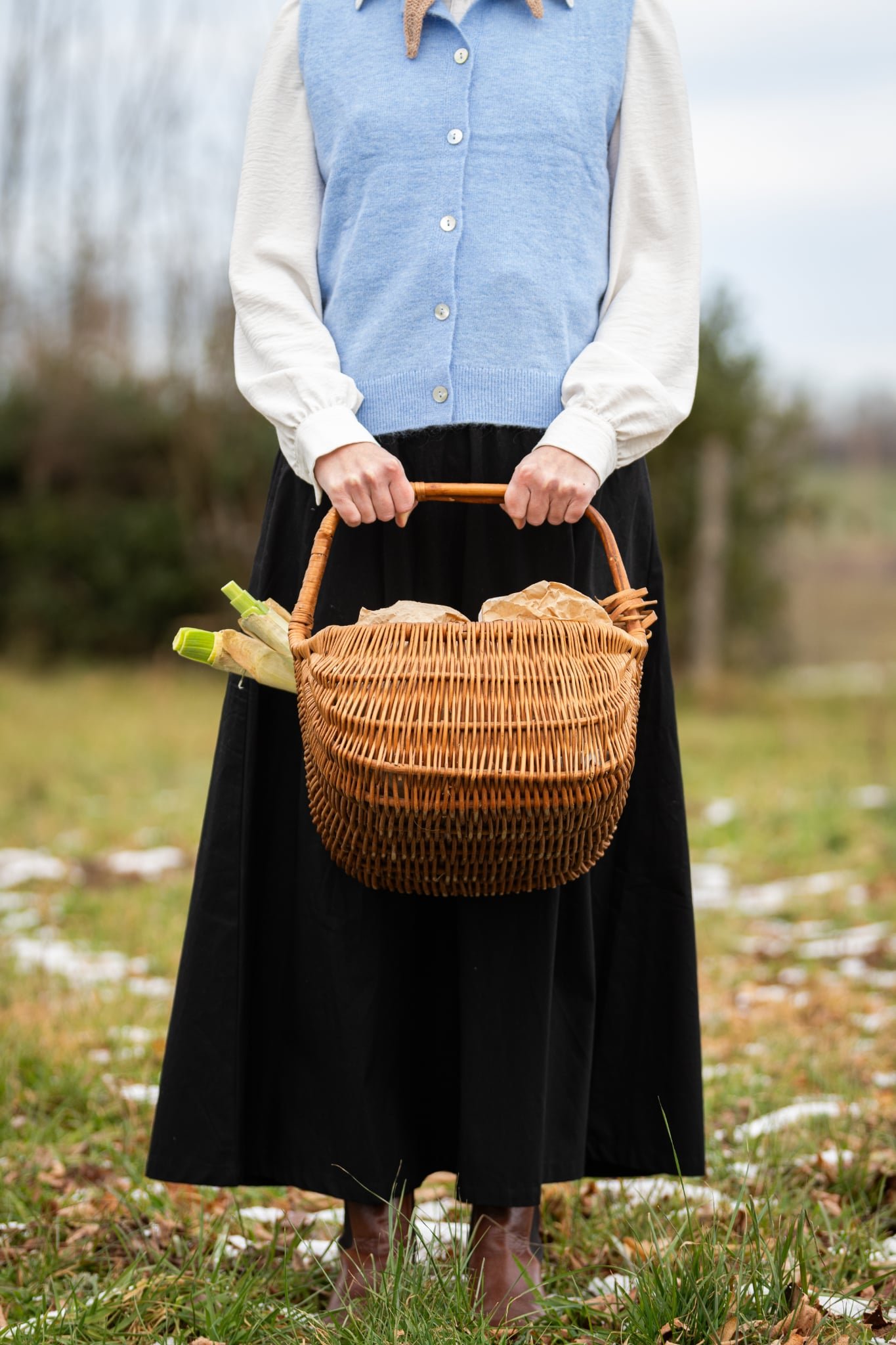
Living seasonally also plays an important role in my life. I love eating seasonal fruits and vegetables, wearing natural fabrics like linen, wool and cotton, and letting the changing rhythm of nature shape my days. I often leave the shutters open so I can wake naturally with the daylight, and one of my favourite rituals is simply pausing to admire the sunsets here in the countryside - they never seem to look the same twice.
For me, slow living is not about perfection or doing less for the sake of it. It’s about living with more intention, more gentleness, and learning to honour what my mind and body need in each season of life.
How does living in this way have a positive impact on your life?
Living in this way has changed everything for me.
Before embracing a slower and more intentional life, I rarely listened to myself. I moved through life almost on autopilot, disconnected from my body, constantly focused on what was expected of me rather than what I truly needed or wanted.
For a long time, I wore different versions of myself depending on who I was with. I wanted to please everyone, to be the person I thought others expected me to be. But in trying so hard to meet everyone else’s expectations, I slowly lost touch with who I really was.
It was through nervous system regulation and, in many ways, slow living, that I truly met myself for the first time. I began to understand my own rhythm, my personality, my strengths, my sensitivities, and the things that genuinely bring me joy.
Today, I live much more in alignment with myself. I listen to my needs, honour my energy, and allow myself to move through life at a pace that feels right for me. That shift has changed not only how I live, but how I experience life altogether.
Are there elements of living in this way which challenge you?
I think one of the biggest challenges is that old patterns have a way of quietly returning. My anxiety still often surfaces, along with the familiar urge to be constantly productive, to do everything quickly and perfectly, or to seek approval and be seen positively by others. I think when you’ve spent years living in a certain way, those habits don’t simply disappear overnight.
The difference now is that I notice it much sooner. I’ve learned to recognise when I’m no longer feeling aligned, because my body lets me know. I can feel the tension, the overwhelm, the sense that I’m pushing against myself rather than moving with myself.
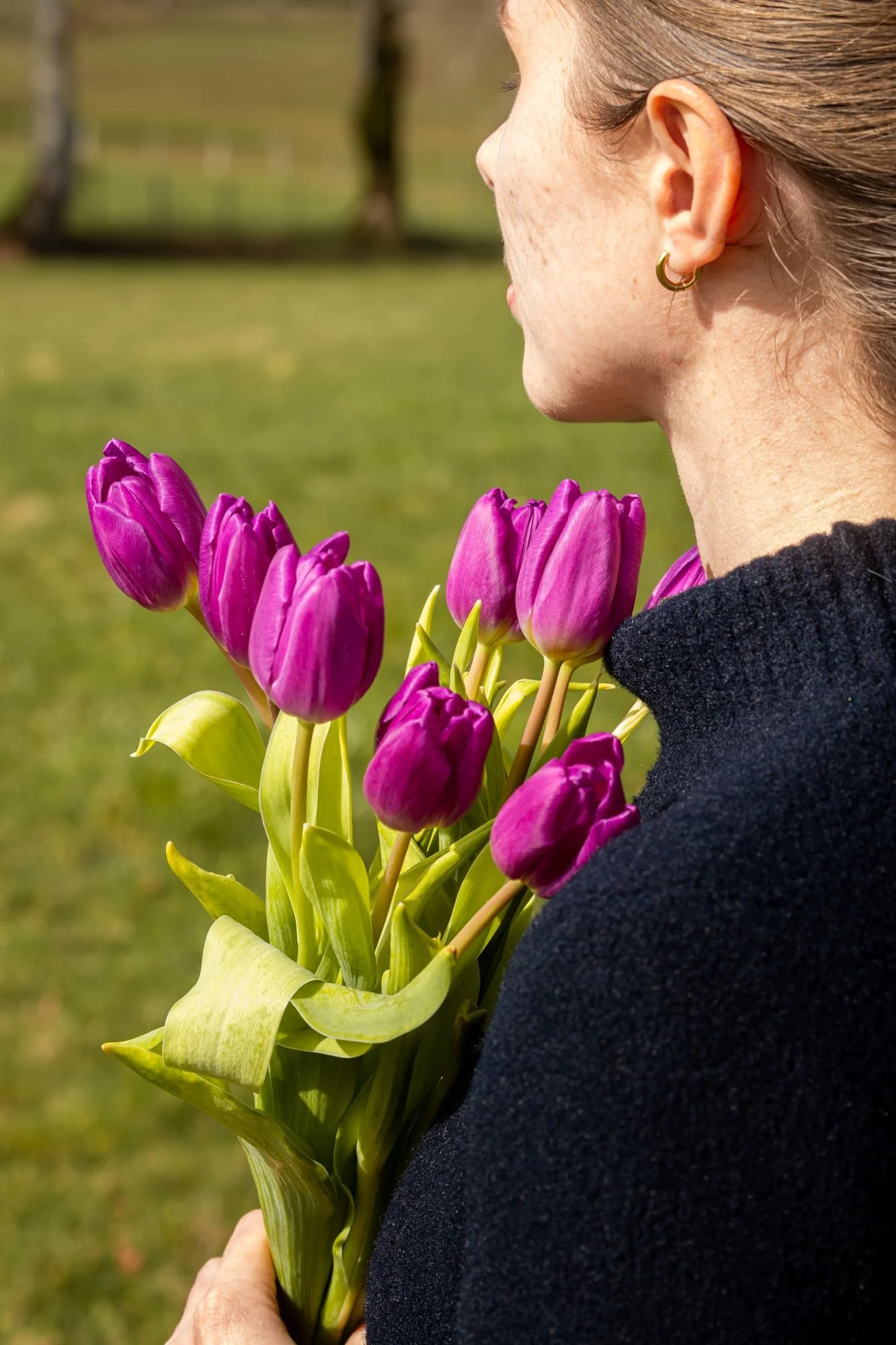
That, perhaps, is the most challenging part: choosing to pause and listen instead of continuing to push forward. Slowing down sounds simple in theory, but in practice, it often means unlearning old ways of being, and resisting the temptation to keep running straight into the wall.
For me, slow living is an ongoing practice rather than a destination, a gentle process of returning to myself, again and again.
Who has inspired you on your journey to living a slower, simpler and more seasonal life?
If I had to name just one person who truly shaped my journey towards a slower and simpler life, it would be the therapist who introduced me to nervous system regulation, Stéphanie from Cosm.
At a time when I felt deeply disconnected from myself, this work helped me understand something life-changing: that the mind and body cannot exist separately. For years, I had tried to move through life using only my mind - pushing through, coping, overthinking - without listening to what my body was trying to tell me. Eventually, I realised that the body always finds a way to speak.
Through both group and one-to-one sessions, she gently helped me reconnect the two. Her kindness, patience, and deep understanding created a space where I could finally begin to listen to myself in a completely different way.
I truly don’t think I would be living the life I live today without that experience, and I will always be deeply grateful for what she taught me.
What’s one piece of advice you’d give to others looking to embrace a slower and simpler approach to life?
I think embracing a slower and simpler life often begins not only with desire, but with necessity. Depending on our life experiences and the paths we’ve walked, some of us reach a point where slowing down becomes something we deeply need rather than simply want.
If I could offer one piece of advice, it would be this: learn to listen to yourself - truly listen.
For me, slow living begins with paying attention to what is happening within us, rather than constantly looking outside ourselves for answers. I’ve learned to listen to my needs, my energy, and the quiet signals my body gives me.
Whenever something feels overwhelming or uncertain, I try to pause and check in with myself. Is there tension in my body? Resistance? A sense of heaviness? Often, those feelings are trying to tell us something. Sometimes they simply ask us to approach things more gently or differently. Other times, they reveal that something may not be aligned with who we are or what we truly need.
And I also believe that slowing down can begin in very small, simple ways. We don’t always need to change our whole life overnight. Sometimes, it’s enough to truly appreciate ordinary moments: watching the birds outside the window, listening to the sound of the church bells, taking your time while brushing your teeth, feeling the warmth of a cup of tea in your hands.
These quiet moments help us come back to ourselves. They remind us that life is happening now, in the simplest things.
Do you think your approach to life can challenge others? Is slow living easy to stereotype?
I do think a slower way of living can sometimes challenge people, perhaps because it quietly questions many of the ideas we are taught about success, productivity, and what life ‘should’ look like.
Since simplifying my life and embracing a slower rhythm, I’ve noticed three kinds of reactions.
Some people simply don’t notice the change at all, maybe because they don’t really know who I am. Others feel inspired by it and recognise the personal growth and healing that came with it. And then there are those who struggle to understand it. Slow living is often easy to stereotype. For some, slowing down can be mistaken for laziness, lack of ambition, or ‘doing less’. I’ve even heard comments suggesting that, at my age (approaching thirty), living at a gentler pace somehow feels unusual, almost like having the rhythm of a much older generation.
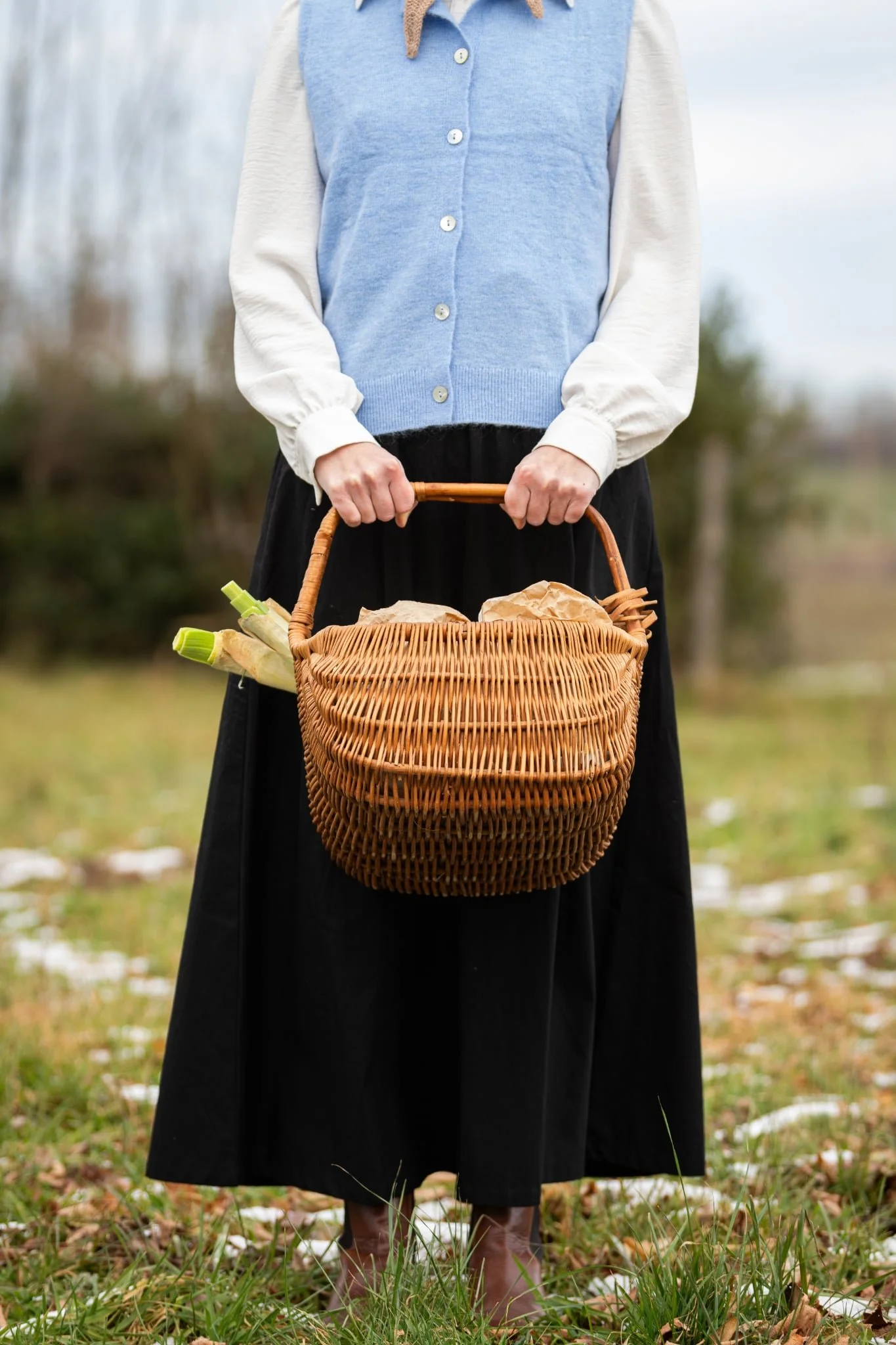
But I think there is a misunderstanding in that perception. For me, slowing down has never meant giving up on life or ambition. Quite the opposite: it has allowed me to become more intentional, more present, and more connected to what truly matters.
I don’t believe there is one ‘correct’ pace at which we should all live. We each carry different experiences, different sensitivities, and different needs. What matters most, perhaps, is finding a rhythm that genuinely feels like our own.
How do you think the past can help us live with more awareness in the present?
In my own experience, I believe the past can become a powerful teacher, even the most difficult chapters of it.
It was during the health challenges I mentioned earlier, when I was forced to slow down and truly face myself, that I began to see life differently. Before that, I moved through life quite mechanically, often following expectations and doing what felt safest or most accepted, without really questioning whether it was aligned with who I truly was.
That period became a turning point. For the first time, I paused long enough to ask myself deeper questions: who am I, beyond expectations? What do I truly need? What kind of life do I want to build?
Through that process, I gained much more clarity about myself, my needs, my values, and the life I genuinely wanted to create. It also led me to explore my spirituality more deeply, which helped me step back and see life from a wider perspective, with more trust and awareness.
In many ways, this is what gave me the courage to finally pursue a dream I had been postponing for years: leaving the city to build a quieter, more intentional life in the countryside. For a long time, I had delayed that dream in order to please those around me and stay close to what was expected of me. But learning to listen to myself changed everything.
For me, the past is not something to remain trapped in, but something that can guide us towards a life that feels more honest and more aligned with who we truly are.
How do you see your slower and simpler life evolving in the future?
Now that we have recently bought our own home in the countryside, I see this slower and simpler life deepening in very meaningful ways.
My dream is to gently turn this house into a home that truly reflects who I am; a place filled with warmth, intention, and a sense of calm. I imagine cooking seasonal meals, growing vegetables in the garden, knitting or sewing some of my own clothes, and caring for our animals as part of the rhythm of everyday life.
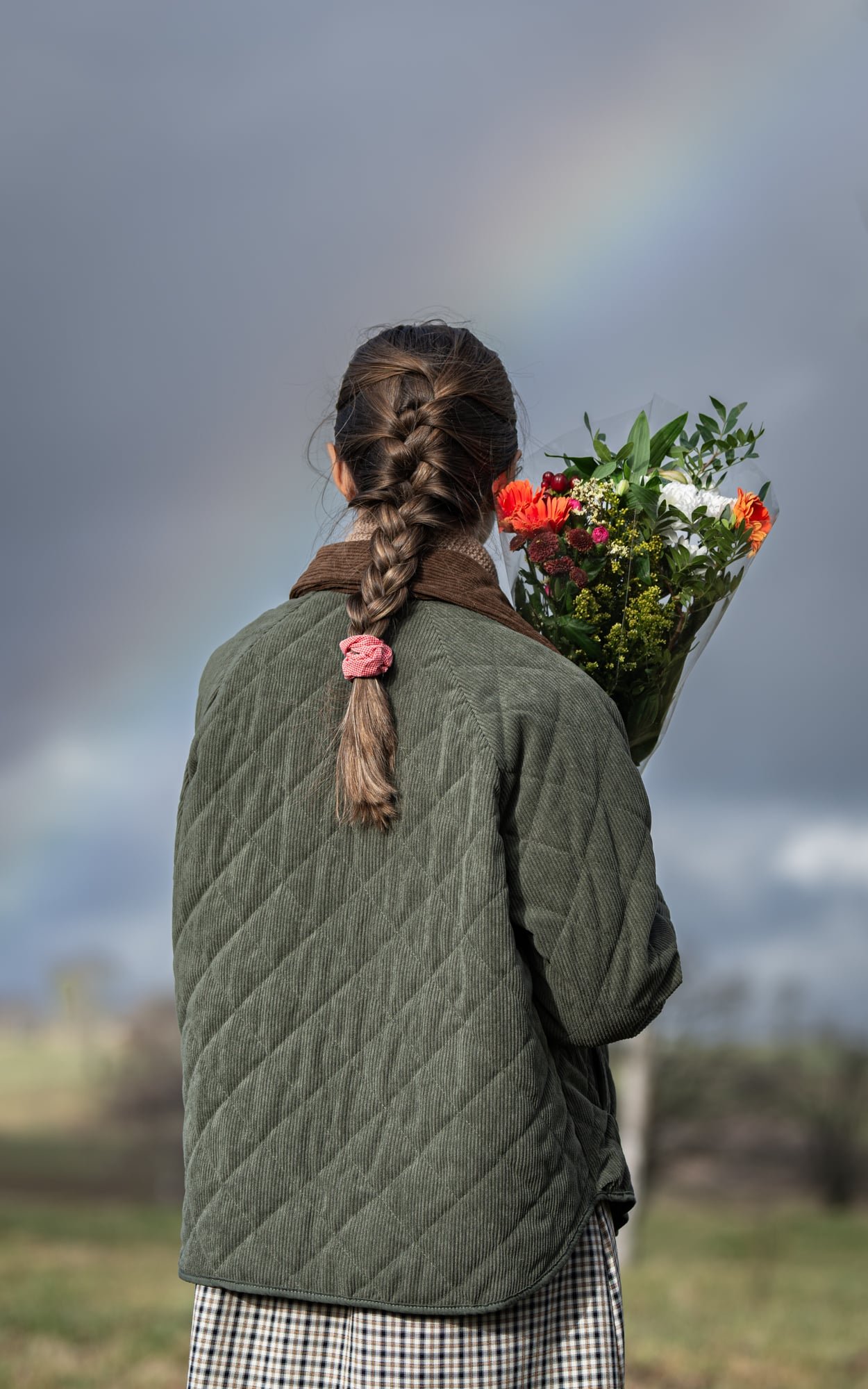
More than anything, I hope to create a life that feels deeply rooted and aligned; a small world that reflects my values, my creativity, and the person I have become.
I also hope to continue sharing this journey through my social media. In many ways, documenting these quiet moments helps me stay grounded and connected to what truly matters. I’ve met so many wonderful people through this journey, and I deeply love being able to share this way of life with others who resonate with it.
I don’t see slow living as something fixed or perfected. I think it will continue to evolve with the seasons of life, but always with the same intention: to create a life that feels honest, meaningful, and truly my own.
If you could choose one word, phrase or quote which sums up your approach to life, what would it be?
The real luxury is being alive enough to notice it.
Floriane is the creator behind The Quiet Days, a slow living universe inspired by countryside
life, simplicity, and intentional living. She shares glimpses of her daily life, home renovation, seasonal rhythms, and a more conscious way of living, rooted in healing, nature, and presence on Instagram and TikTok.
Inspired by Floriane’s story? Discover more creative people living slow, simple and seasonal lives in our Slow Spotlights series. You can also join our community, Rediscover · Reconnect · Re-Emerge for weekly reflections.
Discover how Rhiannon Adler embraces slow, simple and seasonal living by following nature's rhythms in both life and work.