
Slow Spotlight: Antonie, Founder of Saqe, on Burnout, Ambition, and Slow Living
So many people have inspired me on my own journey towards living a slower, simpler and more seasonal life, and I’d love you to be inspired too. The Slow Spotlights series shares with you some of their journeys, and I hope that by reading about these, you too may be inspired and encouraged.
What does living slowly, simply and seasonally mean to you?
In this Slow Spotlight, Antonie, founder of Saqe reflects on a life shaped by toxic family dynamics and a culture that celebrated achievement above all else - where keeping the peace often seemed more important than living truthfully and authentically. Although she was the ‘good girl’ who followed the rules, she always carried within her a longing for a more creative, passionate, and meaningful life.
After years of burnout, over-achieving, and feeling disconnected from her true self, Antonie began the work of healing and rediscovering who she really was. Yet even then, she found herself caught between self-doubt, expectation, and the pressure to perform rather than truly live. Through that journey, she came to realise that no outside expert can know our truth as deeply as we do ourselves, and that real fulfilment comes not simply from achievement, but from fully owning, expressing, and embracing who we are.
What does living slowly, simply, and seasonally mean to you?
To me, it quite literally started with slowing down. I had gotten so used to filling up my schedule, walking very fast, almost mechanically, and trying to do everything as fast as I possibly could, focusing way more on the outcome - the achievement - rather than the process of creating or doing something.
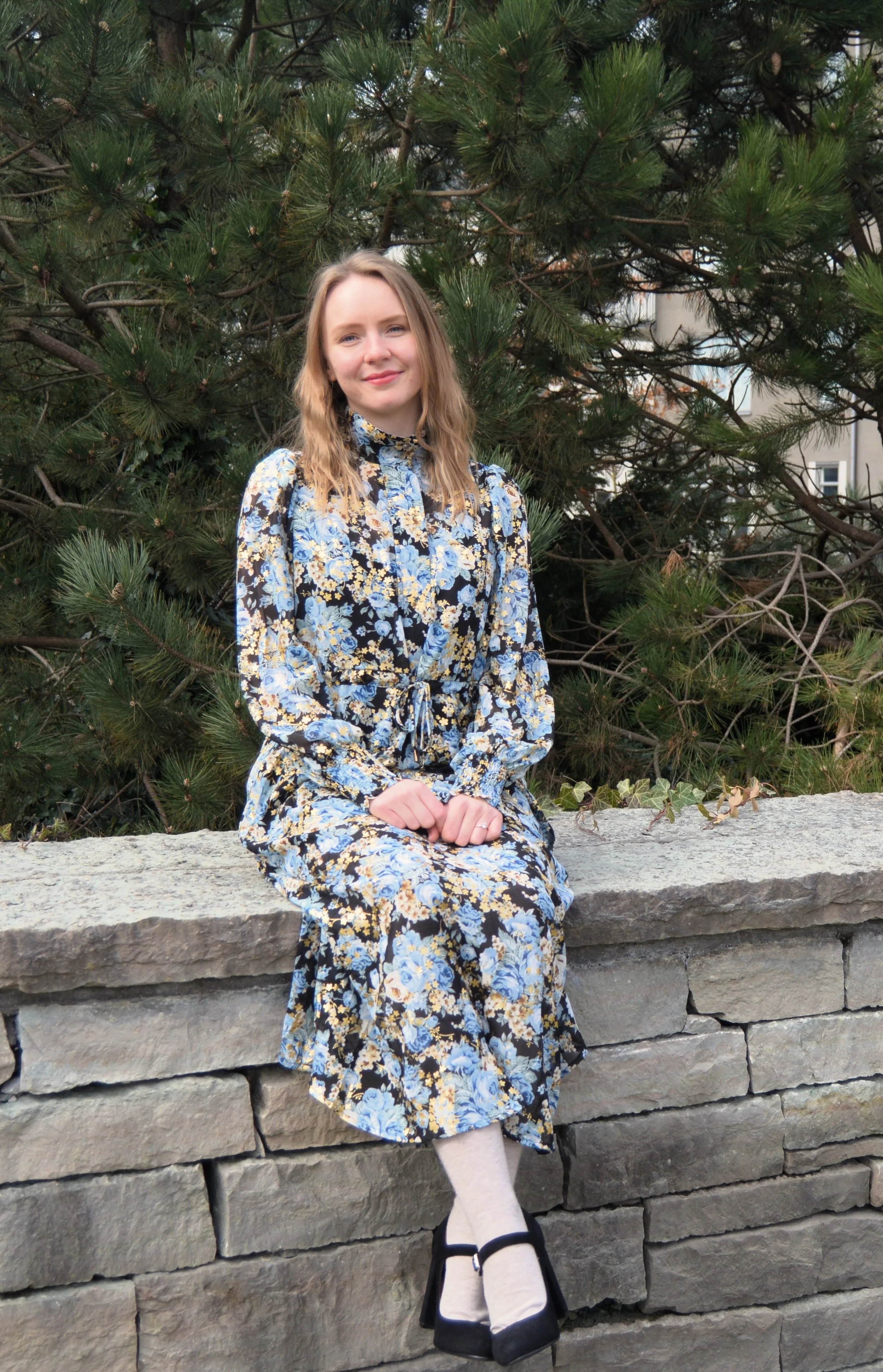
So for me, it started with noticing how going for a walk meant going very fast and rushing to places. I started to realize that I could slow down a little bit and actually sway my hips while walking. I could just pause and slow down while I was working, not rushing just to complete everything. Or I could slow down a little before a meal, or simply take a few deep breaths before moving on to the next thing in my day.
It has also meant tuning more into my body, and it all started when I learned about the infradian rhythm and women’s hormone cycles, which operate very differently from the male 24-hour cycle. It helped me realise that there is a rhythm within my body that can support my work and the way I move through life too, even though it’s not the ‘mainstream’ way of doing things.
And this is something that men have been doing for centuries - aligning their days, working lives, and the structure of society to their own 24-hour cycle. Realising that I could do the same with my monthly cycle also made me realise that women, and the feminine, should have been allowed to do this too, and supported in creating a lifestyle that is nourishing and aligned with their bodies and cycles. This is a human right, and something that, if we had remained connected with our ancestry and wisdom, rather than living within a patriarchy, we would already have been doing.
And it also means tuning into the seasons around me and actually asking nature what I'm meant for right now - noticing how the trees aren't afraid of their leaves falling or how plants and flowers aren't afraid that they won't blossom again in the spring - they simply let the seasons move through them. Nature also reminds us that everything isn't meant to be fast-paced or always moving.
We're meant to slow down.
We're meant to pause.
We're meant to take winter for rest and be outside more during summer. And for me, it means detaching myself from man-made structures like the yearly calendar and tuning more into what has always been there - what is already part of our human biology.
How does living in this way have a positive impact on your life?
It allows me to take care of my health and support my body in ways that I never did when I lived with more focus on being busy and hustling, striving, pushing through, and achieving above all else.
It also allows me to actually enjoy my life more and feel like I'm not just ‘doing’ all the time. I'm actually living, breathing, expressing, and experiencing life the way that I deserve to and that we're meant to, and that actually brings meaning, fulfillment, joy, peace, passion, and so much more.
On top of that, I’m someone who has very big, ambitious goals in life and business, and living in this way actually allows me to move forward with what’s truly important, rather than simply staying busy with things that keep me occupied but don’t really move me towards what I genuinely want - the things that would create real impact and that truly matter to me.
When did you first become aware that you craved a slower and simpler approach to life?
For me, it was right after graduating from college. Up until then, I’d spent pretty much all my life, especially from teens and into my early twenties, pushing through - striving, achieving above all else, and deprioritizing and sacrificing my health, well-being, and body.
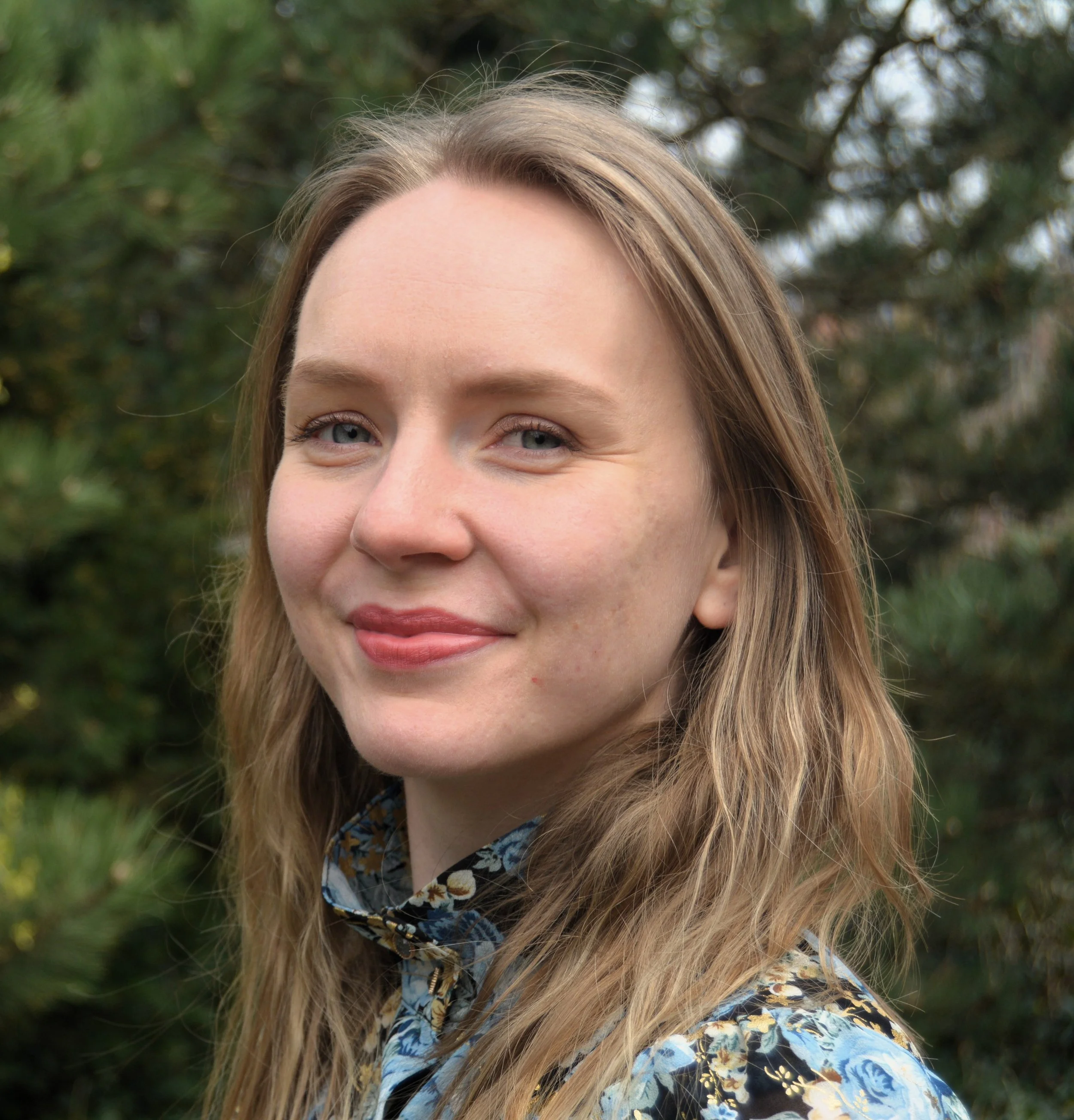
After graduating, I didn't have a job lined up, so it really became the first time in my life where I experienced a lot of stillness, and where there wasn't really anything for me to do all the time. And that created this awareness of how exhausted I really was and how burnt out I was.
I kept trying to learn more about productivity and different strategies that would help me move forward, but every time it seemed like something was working out, it only worked for a little while until I completely crashed and I needed to be on the couch for a week. I had this moment of realizing that this burnout that I was experiencing had been with me for at least 10 years, and that if I ever wanted to be able to actually live the life and make the impact that I wanted, I needed to resolve that burnout and recover from it before anything else.
Do you think your approach to life can challenge others? Is slow living easy to stereotype?
I think it's definitely a challenge to the society and fast-paced world that we currently live in, and it is very much a challenge to the productivity-focused world that has been built, especially since the Industrial Revolution, where constant production and overconsumption really took hold.
It's something that I think a lot of people would feel challenged by. When you look at other people, on social media, or you hear about a lot of these so-called ‘successful’ people, a lot of what you hear is promoting that fast-paced hustle culture - the ‘get up at 5am, work for 10 hours and sacrifice well-being, friendships, community, rest and joy until you've achieved’ idea.And it’s very, very challenging to look around and feel as though no one else is doing what, deep down, you know you need to do - not only to survive but to live with meaning and feel like your true self.
I also think it's very challenging for people like me and the people that I work with, because we’ve become so used to overachieving — to the ‘good girl’ identity - a lot of times people will feel afraid they're not achieving and that they’re falling behind as if there is some sort of deadline we need to keep up with in terms of our goals and what we want to accomplish.
I think that also comes from a stereotype around slow living that it's all about stillness and slowness. A lot of people think that they need to sacrifice their ambition for their authentic needs and for that sense of slowing down and prioritizing their well-being, but that just isn't true.
I read a post from a creator I follow recently where she talked about how she's always been ambitious, and it could have seemed like her slowing down and rooting more into authenticity would have made her less ambitious, and a lot of people will assume that when you root into slowness and authenticity, you sort of put away your ambition. But I loved what she said, that she actually became more ambitious, it’s just that now, she was ambitious about the right things.
That is so spot on. I feel the exact same thing happened to me. I'm honestly in no way less ambitious after having slowed down, prioritized more of the other areas in my life, and reduced how many hours I work, focussing more on quality. I’ve actually become even more ambitious. I have bigger visions and goals for my life than I have ever had.
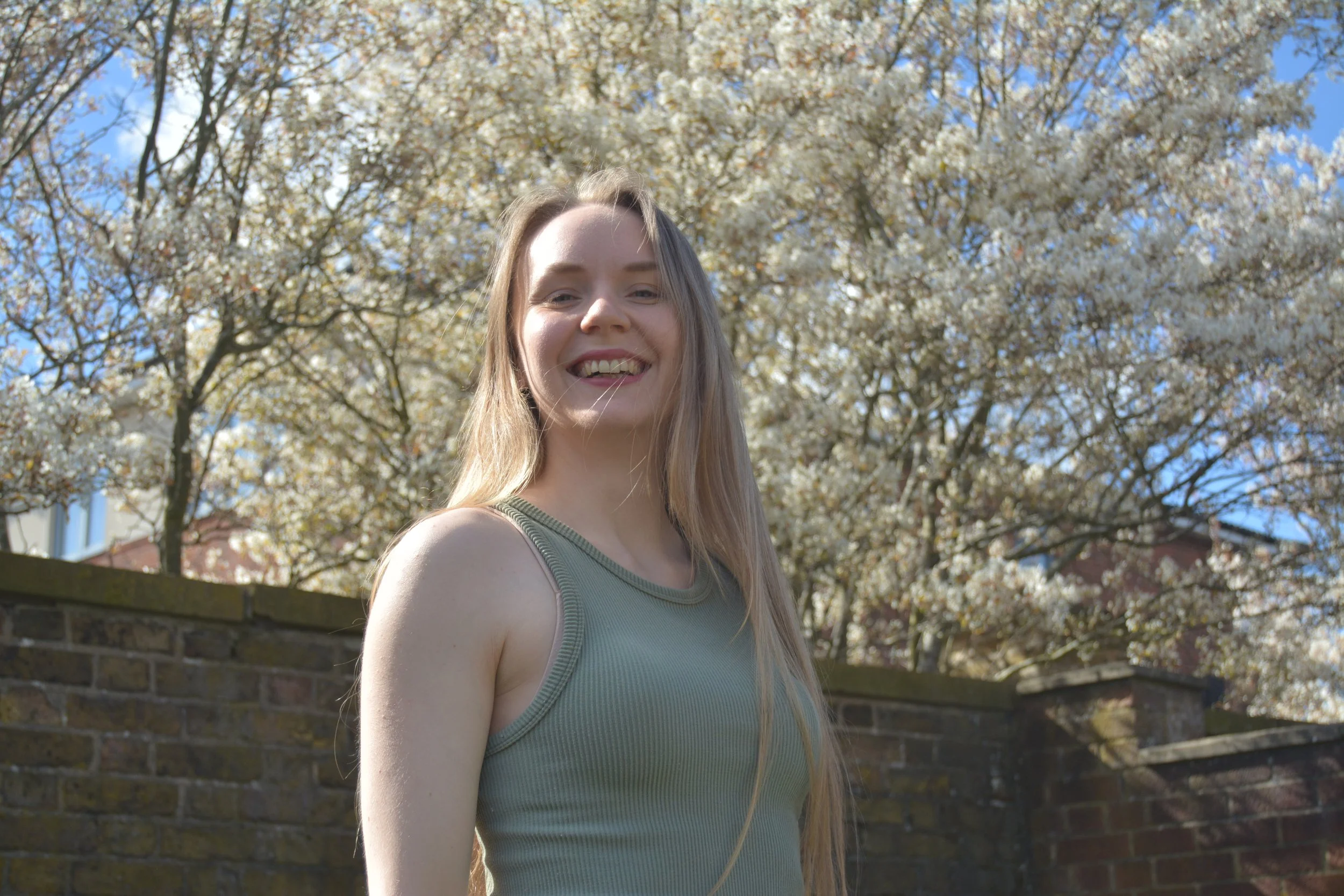
The difference is that now those goals and visions actually feel meaningful and genuinely impactful, and are rooted in my authentic self and my own personal journey - where I truly feel able to serve others and express who I really am. In the past, by contrast, I was simply staying busy for the sake of being busy, and achieving because I felt that I should achieve. It wasn’t truly meaningful or fulfilling - not for me, nor for those I might have been able to serve through my authentic expression and personal power.
A big part of that is rooted in the process, because when we're only focused on achieving, on looking outside of ourselves - on the outcomes - we don't enjoy the process. And yet the process is everywhere. Achievements are very short-lived. It's the process of getting there that makes up 98% of the time.And so if you’re not enjoying the process - if you’re not slowing down enough to experience and appreciate it - you're basically not enjoying, not feeling good or fulfilled for 98% of the time. And that becomes very depleting and empty.
I think a lot of us have experienced that sense of having a very big goal, project, or achievement that we're chasing, and where we think that we'll be so happy once we've achieved it. Yet when we do, we just crash and feel empty and unfulfilled, and we start to question - what did I do all of that for? What was this all for? And that's what happens when we're not rooting into our authentic selves to find our most meaningful goals, and when we're only focused on the outcome and we don't care about the process or how it affects our health, our relationships, our well-being, and so on. Which tends to happen when we’re just hustling through to the next thing, without slowing down, finding comfort in the stillness, and allowing things to unfold gently over time.
Are there any books, websites, or other resources which have helped you and which you would recommend to others?
There are definitely many resources that I’ve either read myself, or that are still on my reading list - ones where I already know the general ideas, but am still looking forward to properly diving into the details.
Some of those are In the Flo by Alisa Vitti, which is all about aligning your work, social life, exercise, food, and so on to your menstrual cycle. And essentially, like I mentioned earlier, doing what men have been doing for centuries, yet simply aligning it with a rhythm that is actually supportive to women and our bodies.
I also love books such as The 4-Hour Work Week and The 12-Week Year, which I feel are wonderful resources for seeing ‘productivity’ from a different perspective. They highlight the fact that many highly successful people did not reach where they are simply by ‘hustling hard’, and remind us that it’s possible to work less while still thriving in both our income and our lives.
There are also some really interesting books about human history and our relationship with work which help us gain a clearer perspective about how we’ve never worked as much as we do now in human history. By getting a wider perspective, I think we can much more easily feel empowered to make changes in our own lives, because over-working isn’t ‘the only way’ to do things.
I also really love being a member of Your Simple and Spacious Business with Jen Carrington, especially with the support to build, grow, and run a business in a way that is supportive of your health and your needs without sacrificing a thriving income. This is something we don’t hear a lot about from ‘experts’ out there.
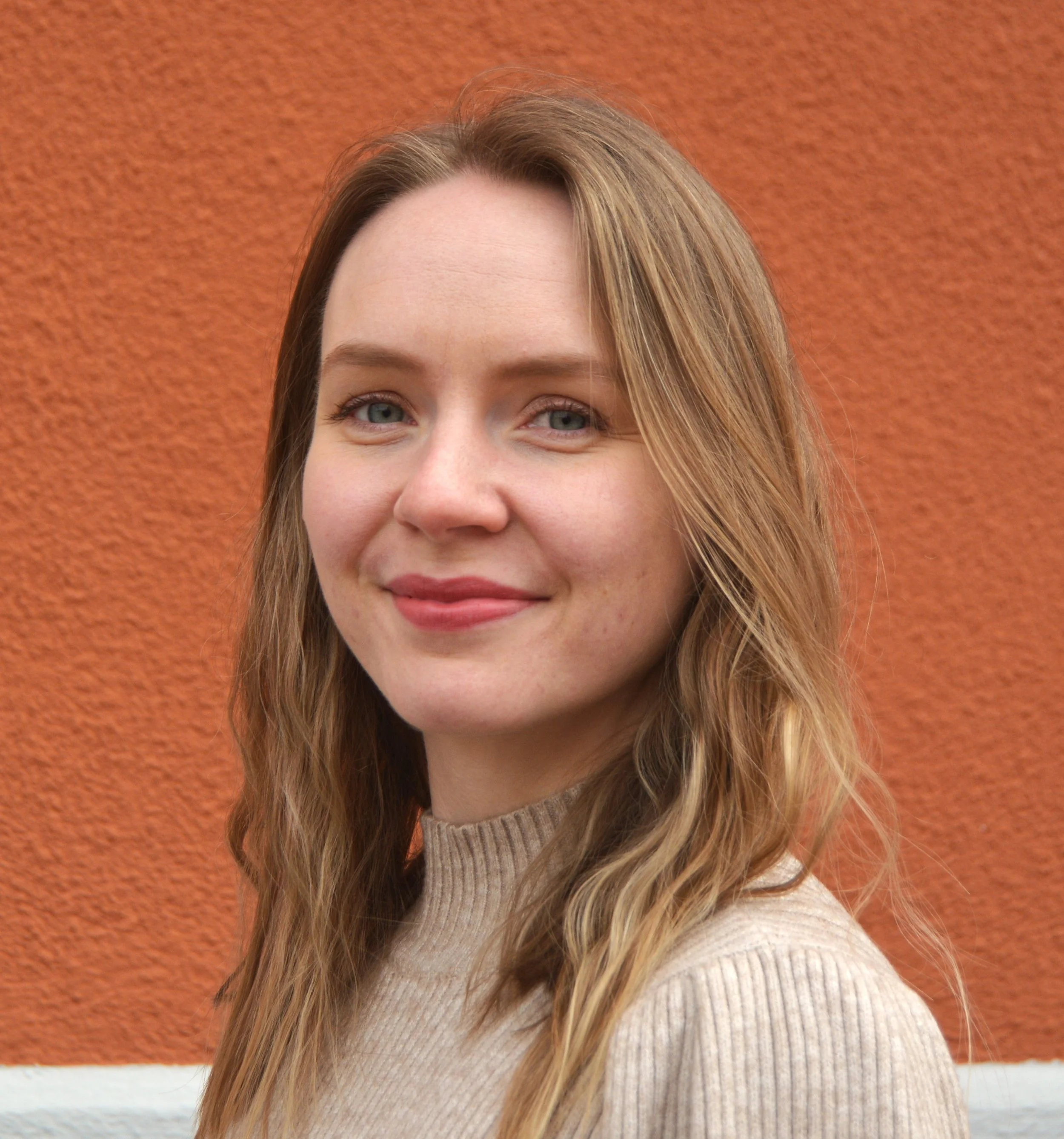
But overall, I think the most important resource we could ever have is ourselves. If we stop looking outside of ourselves all the time, looking at what everybody else is doing, asking everybody else for answers and advice, and trusting ‘experts’ more than we trust ourselves, we can actually find a lot of answers and wisdom within our own bodies and intuition.
I think the biggest resource for me in creating a slow living lifestyle has been rooting into what my body is telling me and learning to ask myself and my body before I outsource my power to anybody else and always remembering that no one else knows exactly what it's like to be in my body and to experience the things I'm experiencing. So we are the only ones who really have the answers we need.
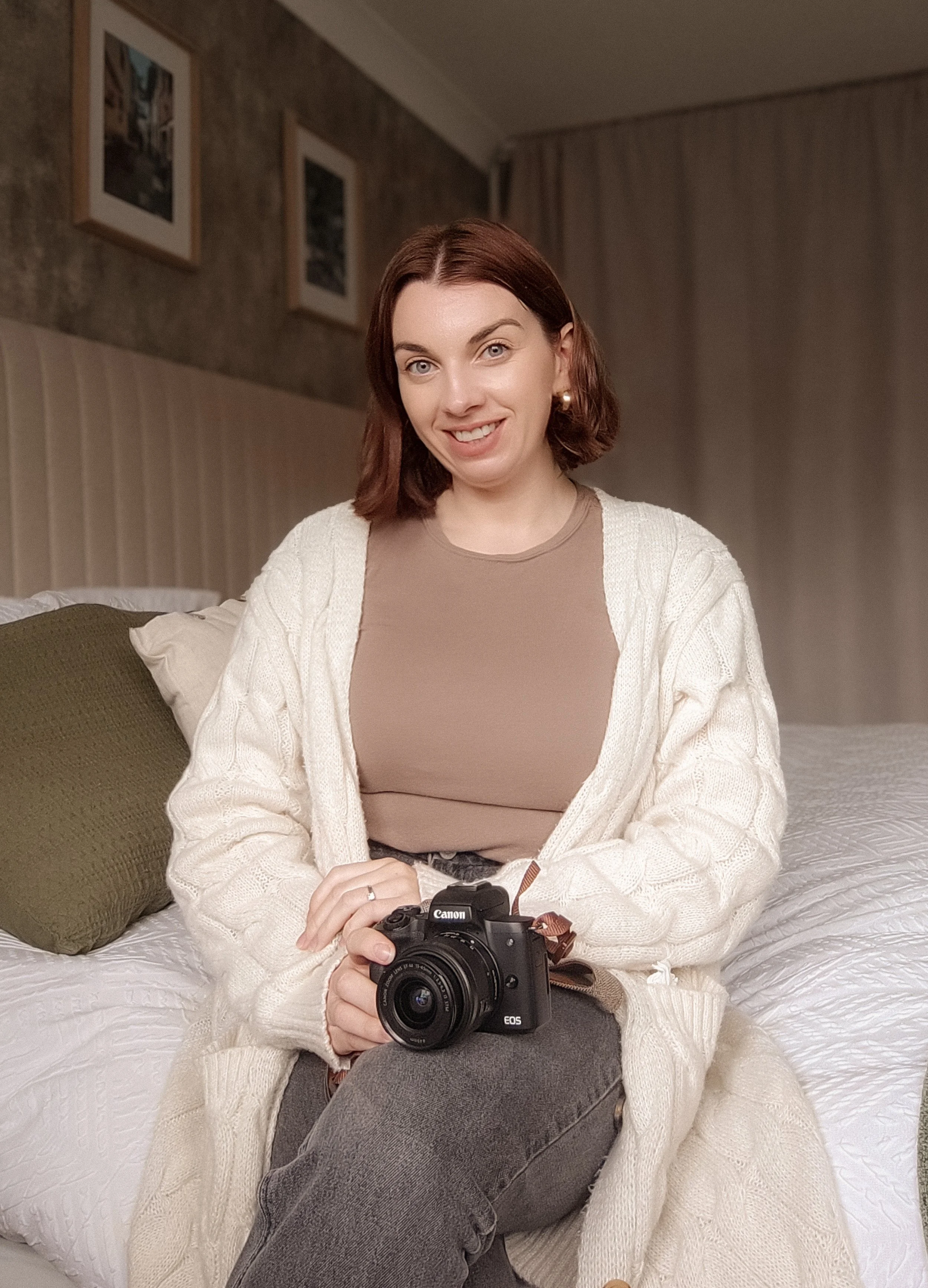
Antonie is the founder of Saqe, a space dedicated to helping women reclaim their true selves and move from performance and over-achievement into authenticity, self-trust, and embodied living.
Through her writing, podcast, and community offerings, she supports high-achieving, deep-feeling women who feel burnt out or disconnected from themselves to reconnect with their inner truth, release conditioning, and build lives and businesses that feel aligned, meaningful, and alive. Saqe exists to honour both ambition and authenticity, and to remind women that they don’t need to become someone new - but to return to who they already are. You can also follow Antonie on Pinterest.
Inspired by Antonie’s story? Discover more creative people living slow, simple and seasonal lives in our Slow Spotlights series. You can also join our community, Rediscover · Reconnect · Re-Emerge for weekly reflections.
Discover how Rhiannon Adler embraces slow, simple and seasonal living by following nature's rhythms in both life and work.