
More Than Recipes: Cookbooks Filled with Story
If you’ve read any of my posts, either on Instagram, Rediscover · Reconnect · Re-Emerge, or here on the Seasonal Kitchen pages of the A Life More Creative Journal, you’ll probably have gathered that I own quite a few cookbooks. These days, I hardly dare count, suffice to say there are several hundred.
As I’ve sought to simplify my life, to slow down, and to live more seasonally, I’ve been more mindful of possessions and those things I hold onto. Decluttering is an ongoing process, and over the past few years, there have been several cookbook culls.
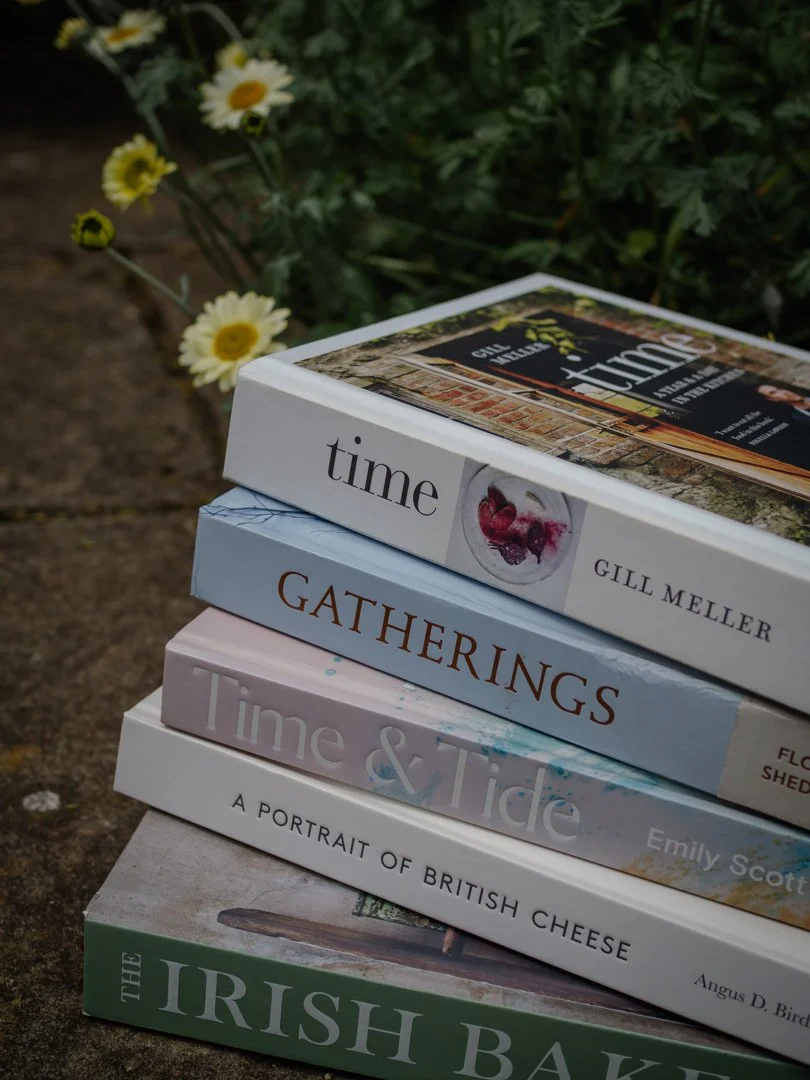
There is something strangely cathartic in letting go of possessions - something for another post perhaps - that act of decluttering asks us to think deeply about what matters and why. Why should I hold onto this cookbook and let this one go?
This process - ongoing as it is - has taught me that there is more to cookbooks than merely recipes, and it is in this realisation, that I found my answer.
The cookbooks that remain are those with a story - those which set those recipes, delicious as they are, against a background of time, place, landscape and culture. It is these cookbooks which are companions rather than just manuals.
What makes a cookery writer memorable?
With cookbooks, the focus is inevitably on food - why wouldn’t it be? So many books are full of delicious, mouthwatering recipes, and we are easily tempted by the glorious photos alongside. There is, of course, nothing wrong in this, but I’ve discovered that in letting possessions go, I crave something deeper from those which remain.
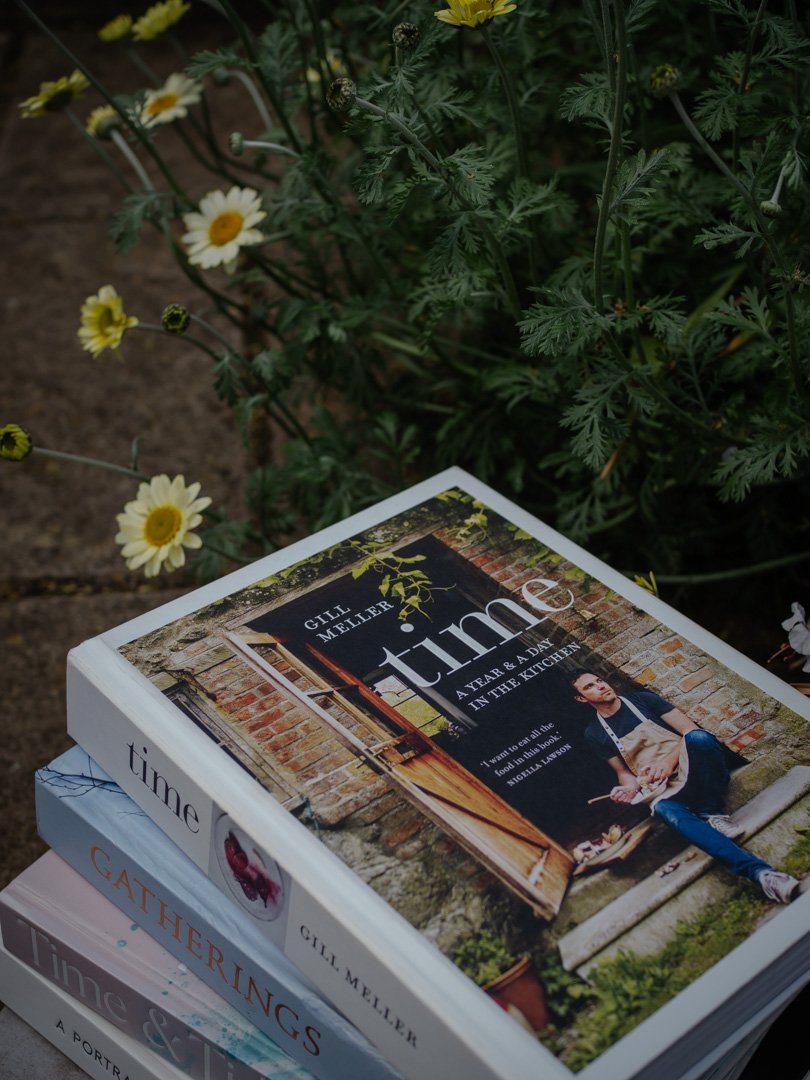
To me, the best cookery writers are those who tell a story. Those who create an atmosphere - who set their recipes, their story, and their food, against a backdrop of time, place, season and humanity. It is this sense of context - cultural, historical and societal - which makes these cookbooks what they are.
None of this would be possible without the skill of those who take pen to paper, and who write the words which accompany the recipes and photos. They pour their heart and soul - their story - into the pages, and it is in these that I find a home. In this recent post over on Substack, Lauren Brook, reflecting on her own experience of working with cookery writers, shares that:
‘A cookbook is as much a visual and emotive undertaking as it is a culinary one; the very best volumes, I have learnt, are not just idle collections of recipes, but a life or a season lived through the pages, personal memoir interwoven with the flavours that tell the story.’
In this Journal entry, I want to share some of my favourite cookery writers - those with a story to tell - those who have inspired me, and who I hope, in turn, will inspire you.
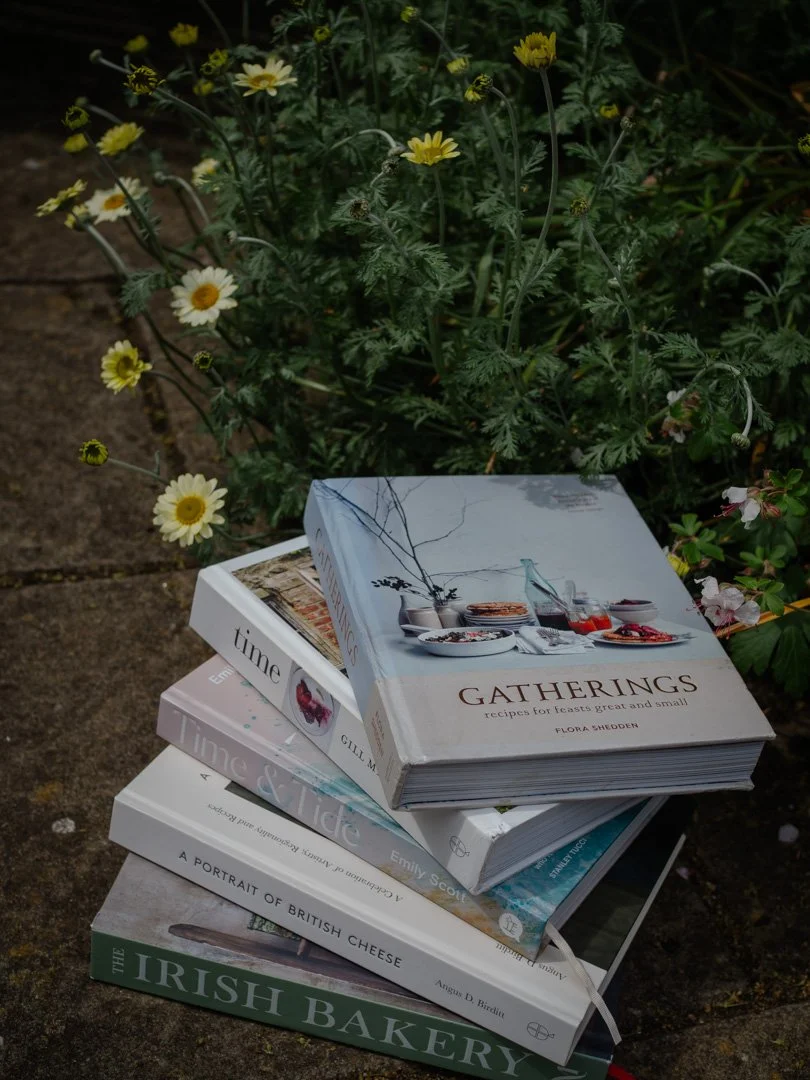
Flora Shedden
How many of us dream of opening our own bakery? Flora Shedden and her ARAN Bakery perfectly encapsulate the dream so many of us carry in our hearts. She was the youngest ever semi-finalist on The Great British Bake Off way back in 2015, and opened her own Perthshire-based bakery in 2017.
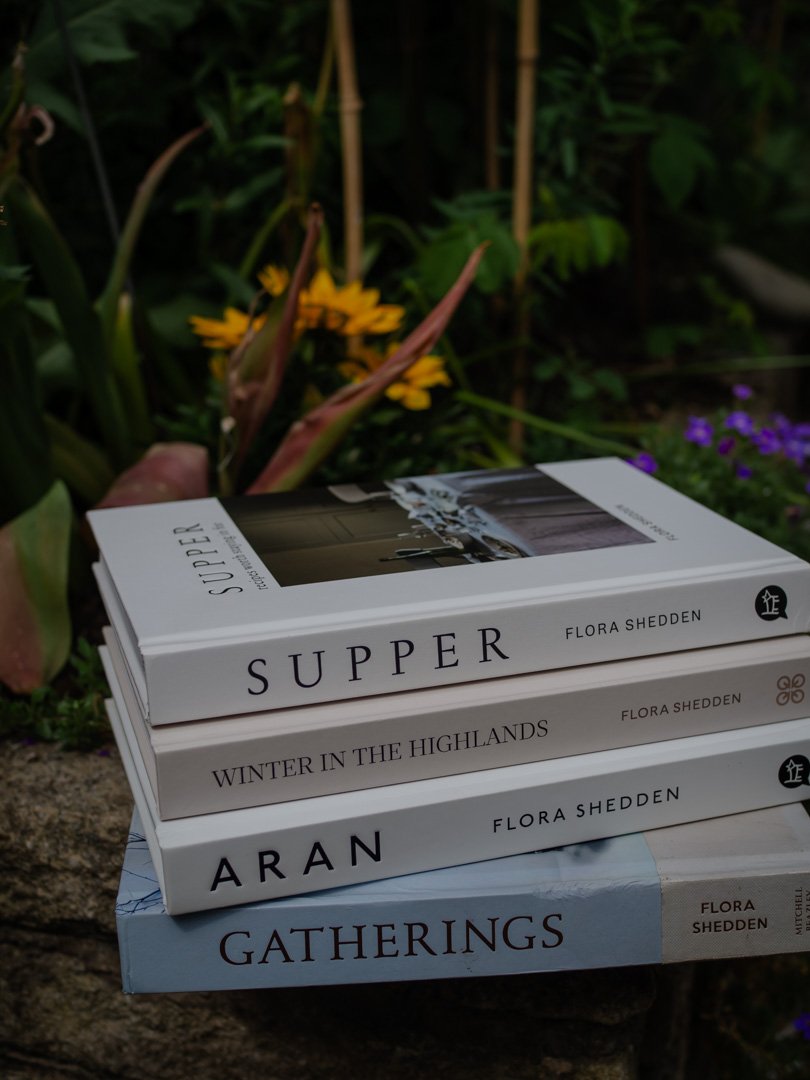
Flora Shedden has now authored four beautiful books, drawing not only on her love for Scotland, its culture and its heritage, but of simple food, cooked well, and enjoyed in the company of others. Her first book, Gatherings, was joined by Aran and Supper, and most recently by her 2025 book, Winter in the Highlands. I love Flora’s description of baking, as she writes
‘Baking is so much about time, and time of day. It can also be about capturing the time in the day, savouring little moments to yourself…baked goods always have their own place and time. They capture memories of that day, or that hour, and tend to remind me of previous meals eaten and enjoyed in a similar light.’
For me, Flora’s writing has remained an inspiration - a reminder that anything is possible when we follow the calling of our own souls.
Gill Meller
I have long admired Gill Meller’s writing, both in his books - Gather, Time, Root Stem Leaf Flower and Outside - and on his own recently-launched website. Gill captures in words - and if you follow him on Instagram, video - everything which is so important about slow, simple and seasonal cooking.
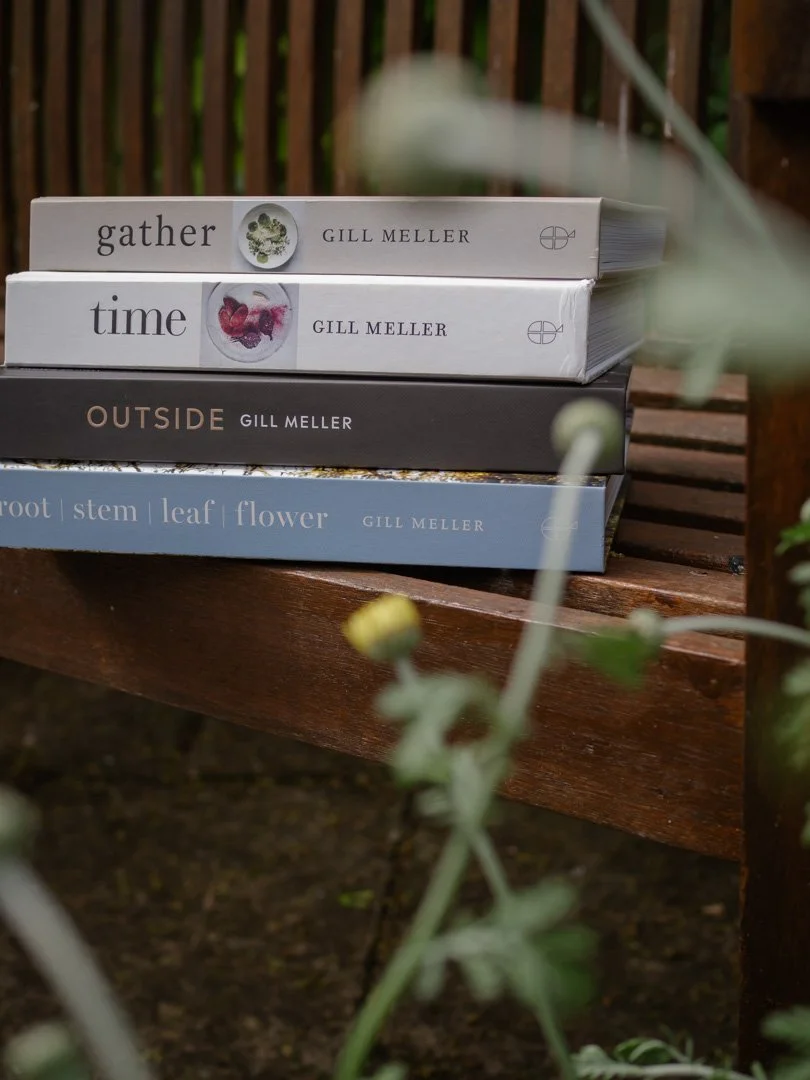
At the heart of all Gill’s writings, is a belief that ingredients matter - not only that, but it matters where they come from. Food is not merely the things we put on our plate - it comes with a story all of its own. Gill also recognises the power of cooking not only in bringing people together, but in nurturing and nourishing our own souls:
‘Making time to cook has become one of the most important things I do in my life. When we stop for a moment and do it, even in the simplest sense, it makes us feel good inside. Not only does it nourish our bodies and sustain our minds, but it’s vital for our happiness and wellbeing. Cooking has opened my eyes to change. I feel closer to my past, but equally I feel closer to the present and to the environment in which I live…It has enabled me to see how one season turns so gracefully into another.’
Angus Birditt
Angus’ writing is rooted in the land. His website, Our Isles - which takes its name from his first book, a collection of poetry celebrating the art of rural trades and traditions, with prints by Lilly Hedley - explores the artistry of rural life through its food, drink, arts, culture, nature and landscape.
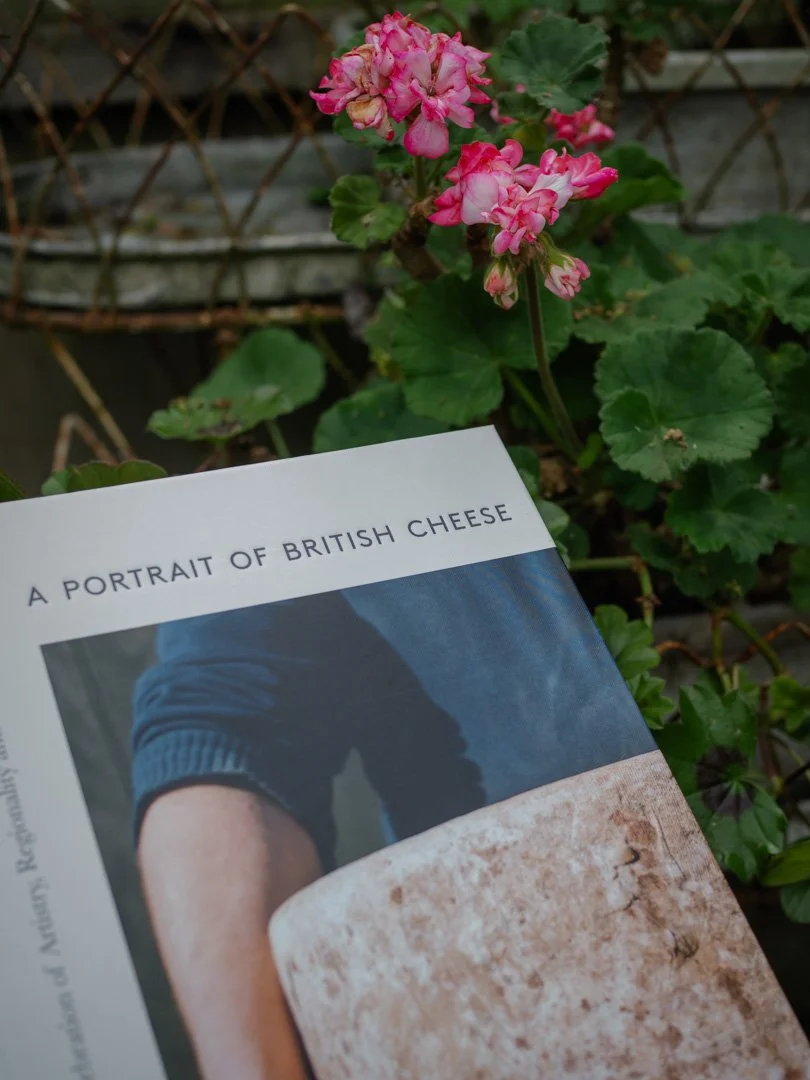
Angus recognises the value to be found in building connections with those who grow and make the ingredients which grace our plates. His second book, A Portrait of British Cheese, celebrates the excellence of artisan and farmhouse cheese in the British Isles, recognising it not only as a product of the land, its animals, and its people, but something which offers a snapshot of rural life and artisan traditions.
A Portrait of British Cheese isn’t merely a cookbook about cheese, but rather, about the people, the stories, the culture and the heritage behind it. As he writes:
‘Wherever I am in the countryside, I always try to connect with the land, whether by learning about the history of a particular place, identifying the local flora and fauna or by following the seasons - each bringing a bounty of different wild foods.’
Emily Scott
For all its faults, one of the wonderful things about the internet, and of course, social media, is that not only are we able to read some of these cookery writers’ words in print, but we can also enjoy them online. Emily Scott is just such a writer, and someone who's been a joy to follow on Instagram and on Substack.
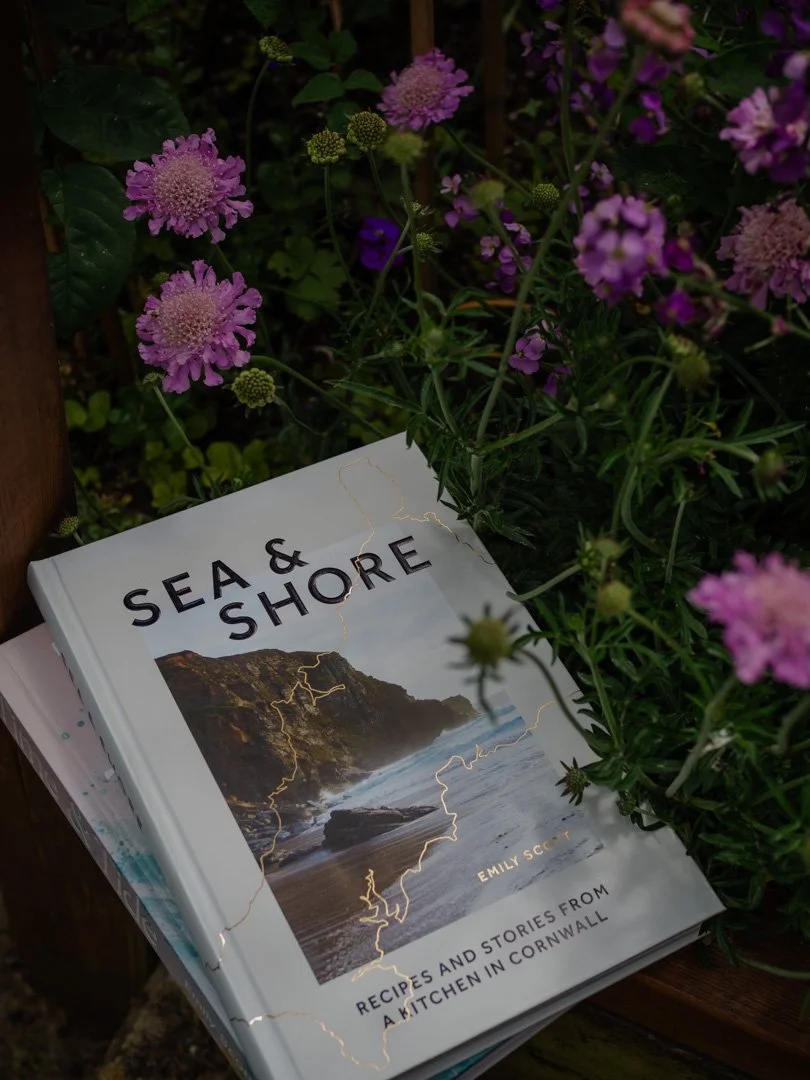
Her three books - Sea & Shore, Time & Tide and Home Shores - are firmly rooted in place and season. From Cornwall to France, her passion for local, seasonal produce comes through in every sentence and every recipe. Her writing is deeply evocative of those places:
‘This is my life by the sea, where hawthorn and gorse bloom and tamarisk trees meet the edges of the cliffs, where wild coastal flowers - fennel, teasels and ox daisies - drift down to the edge of the sea.’
One can’t help but be drawn to those places - to accompany Emily on her journey - and to find nourishment in the simplest of ingredients, cooked well, with love and intention.
Cherie Denham
Cherie Denham’s first book, The Irish Bakery, was quickly followed by the Irish Kitchen. Rooted in the deep traditions and cultures of Ireland, Cherie’s writing takes you right to the heart of home cooking - the sort of cooking which nurtures and nourishes deep in the soul.
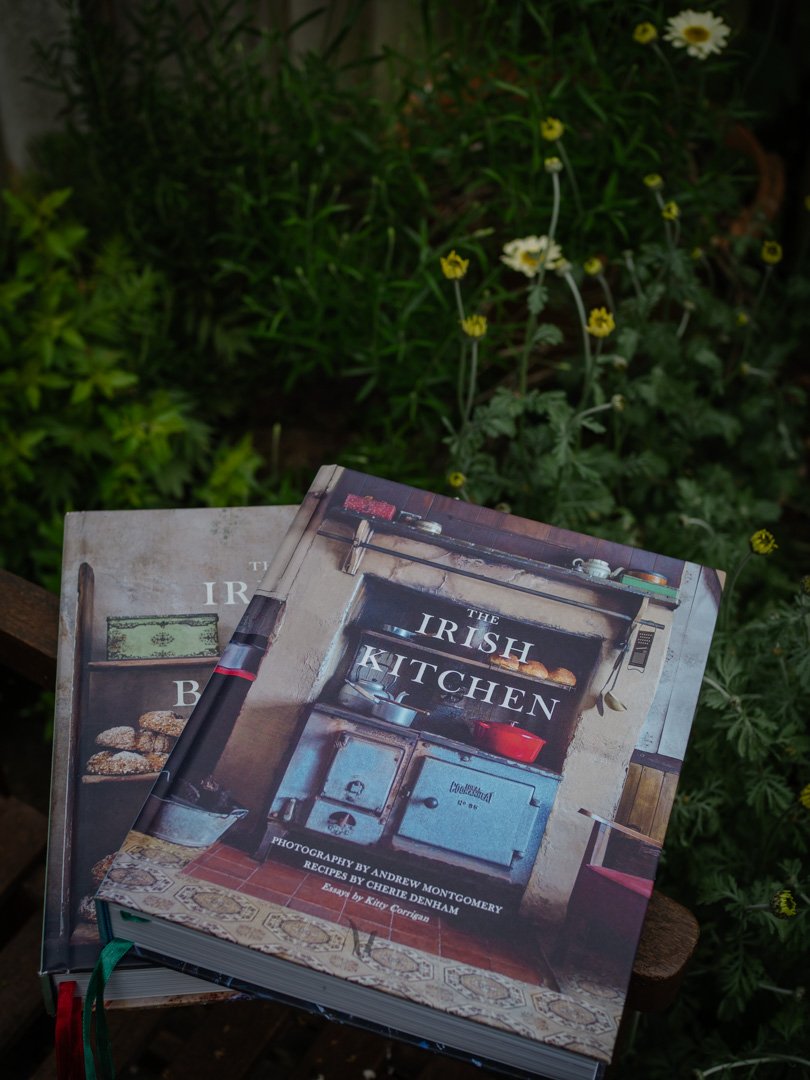
Like Darina Allen in her book, Forgotten Skills of Cooking - one I wrote about here - Cherie writes of past times - whose skills are as vital now as they were then. Cherie writes about family - family stories shared through the generations:
‘My grannies and great-aunts were the cooks, bakers and preservers in my life…I can remember the welcoming smell of their kitchens so well - especially on baking day, when there was always a loaf of bread, cake, tarts and jams on the table.’
Cherie’s own writing and recipes are complimented beautifully by Andrew Montgomery’s photography and Kitty Corrigan’s extended essays.
The deeper value of cookbooks
As all these writers - and many others - have shown, cookbooks have the means to preserve culture, memory and creativity. They can evoke the rhythms of times past, but also of times present, and perhaps, in that nourishing comfort, we might discover that nothing much has changed at all.
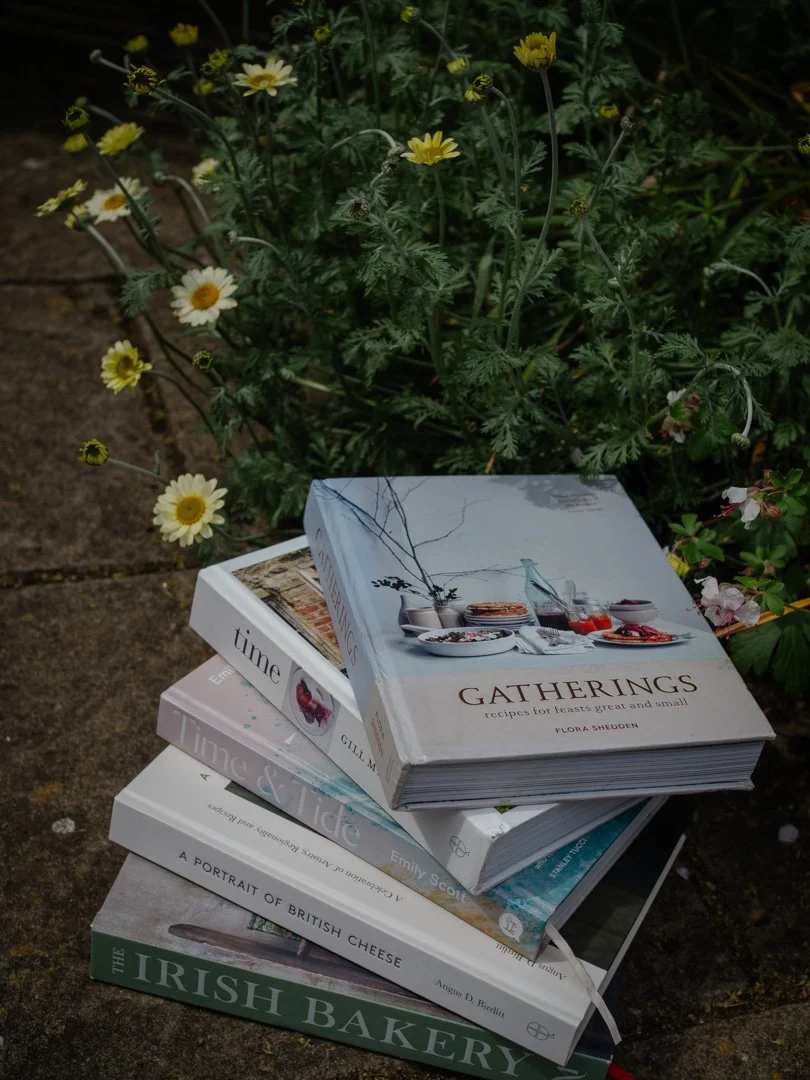
A growing concern for where our food comes from, the people who produce it, and the ethical and sustainability factors which underpin it mean that these writings become all the more important.
But at its heart, food is about story - about people, time and place. There are many wonderful recipe books, but these days, as I seek a slower and simpler life, I crave more. I crave something deeper - writing from the heart and soul - and in all these writers, and others, it is to be found in abundance.
Who are some of your favourite cookery writers? I’d love to hear your thoughts in the comments below. You can also join our community, Rediscover · Reconnect · Re-Emerge for weekly reflections.

30 years on, the Two Fat Ladies still inspire me on my seasonal cooking journey, but why has they legacy endured so long, and how might they inspire you too?