
What the Two Fat Ladies Still Teach Me About Seasonal Cooking
‘A few years ago…I decided that I was only going to eat seasonally, and the difference it makes, to wait for the first asparagus, the first tomato to ripen at home, it’s something which keeps my love of it all alive.’
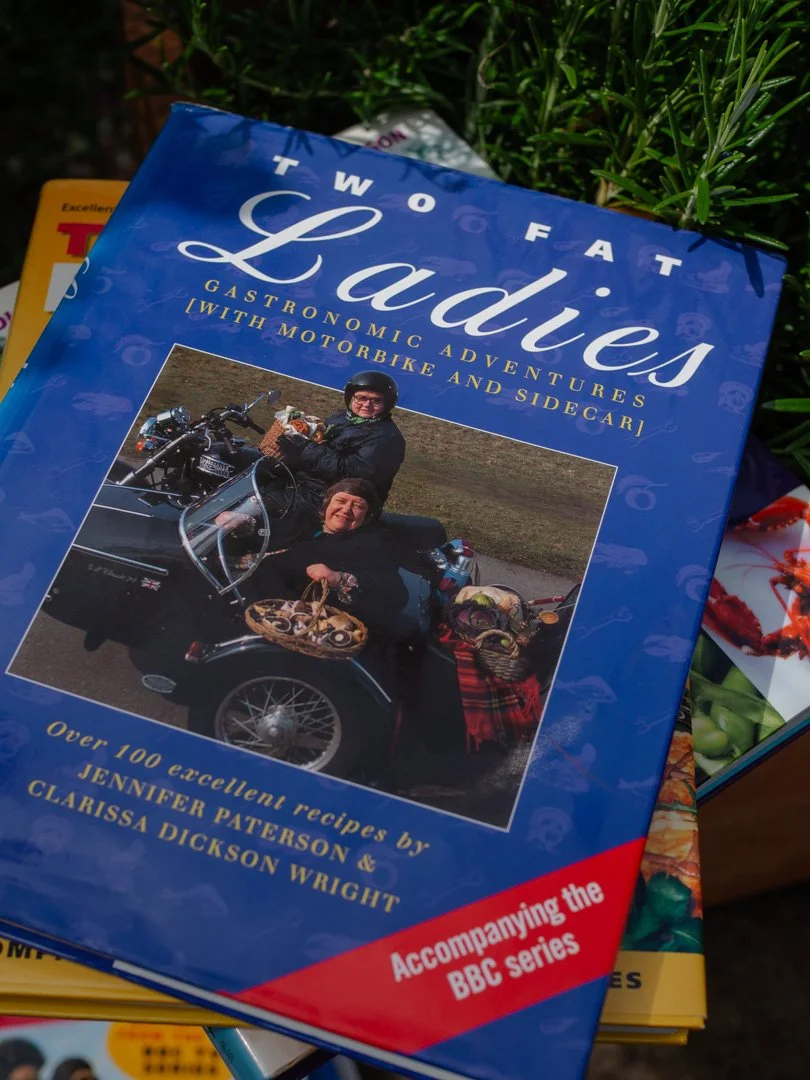
Seasonal eating and cooking summed up brilliantly by Clarissa Dickson Wright, who, along with Jennifer Paterson made up the irreplaceable duo, The Two Fat Ladies. The unlikeliest of television stars, they first hit our screens in 1996 bringing their own indomitable style of cooking to the screens of millions all over the world.
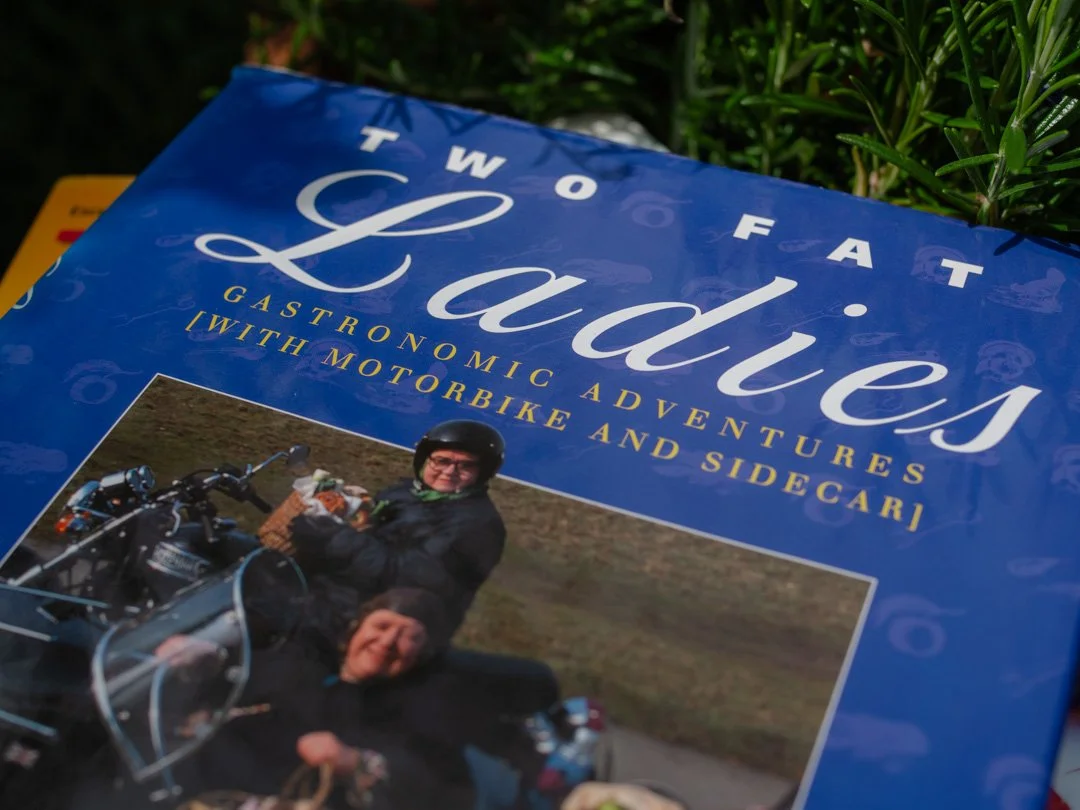
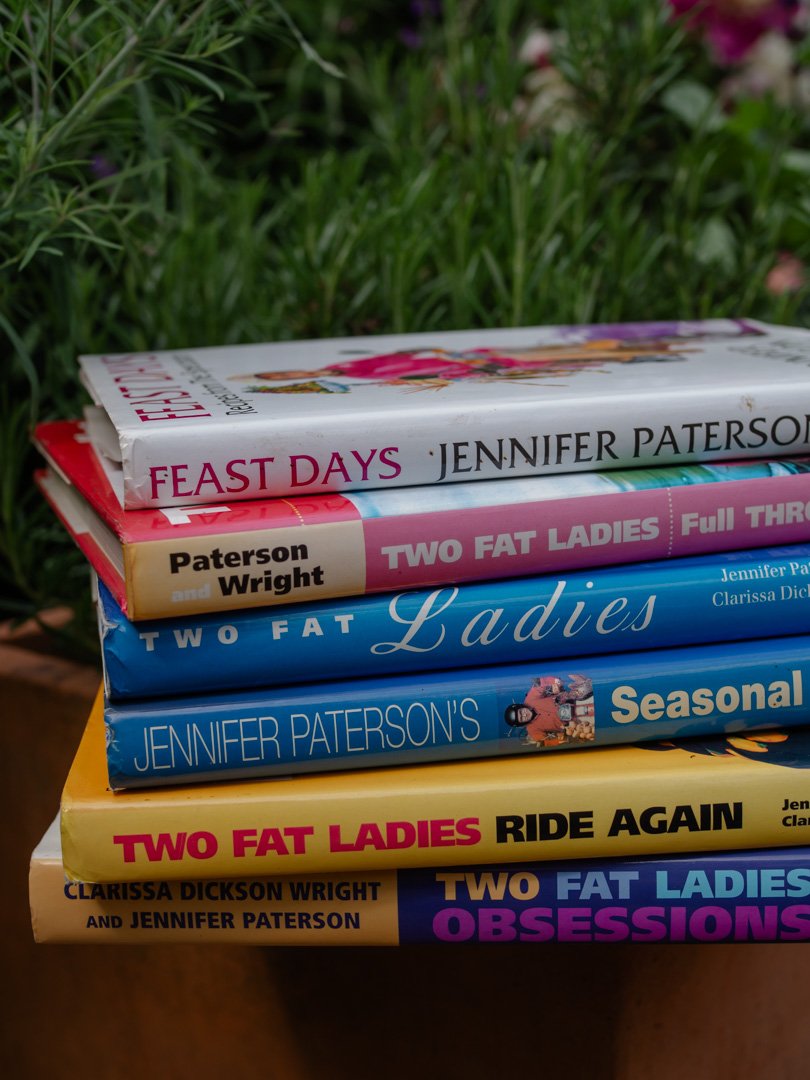
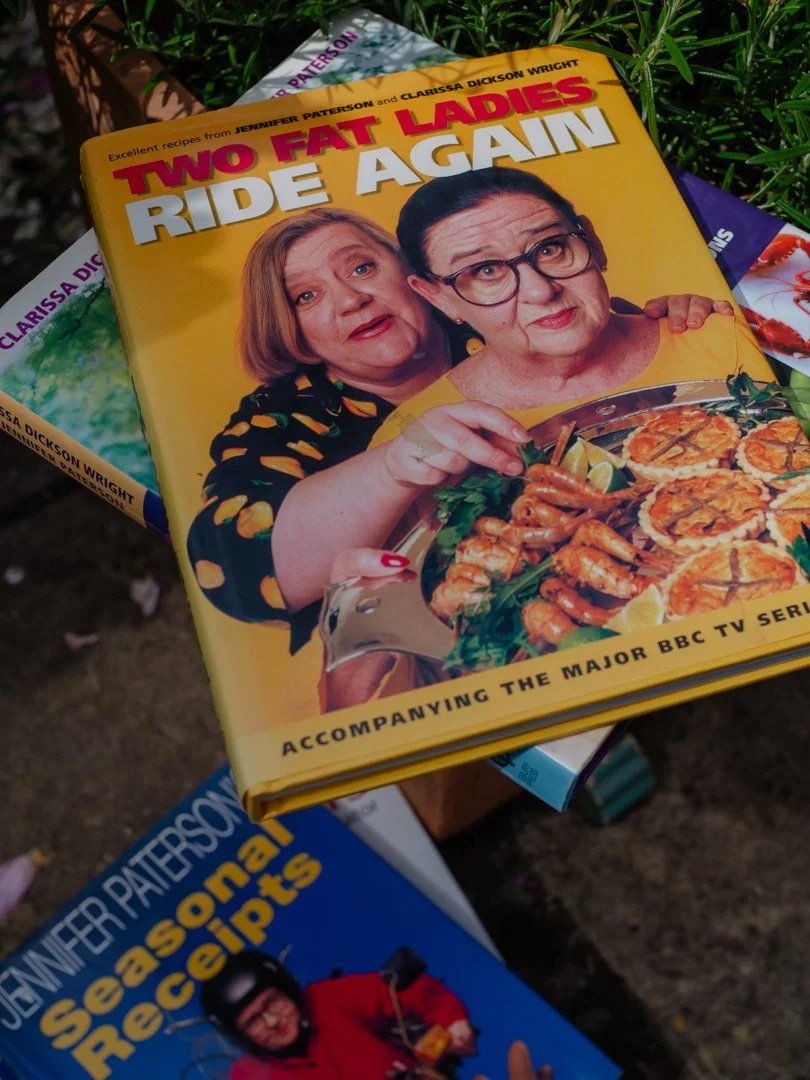
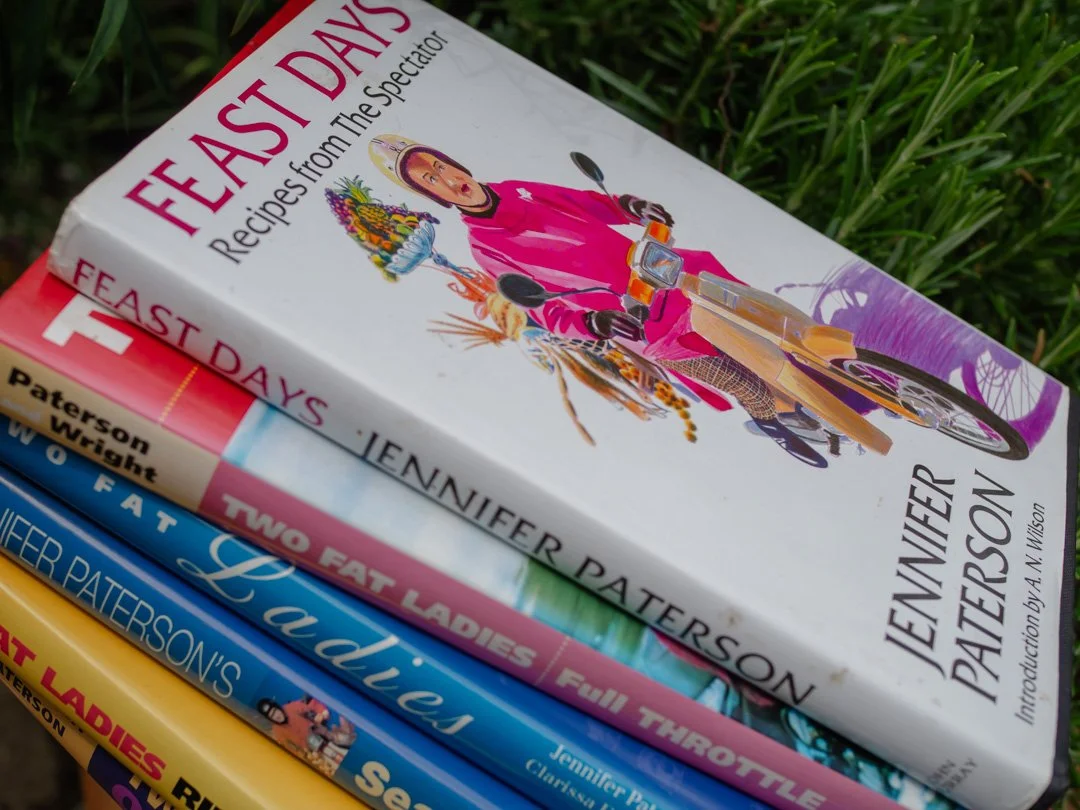
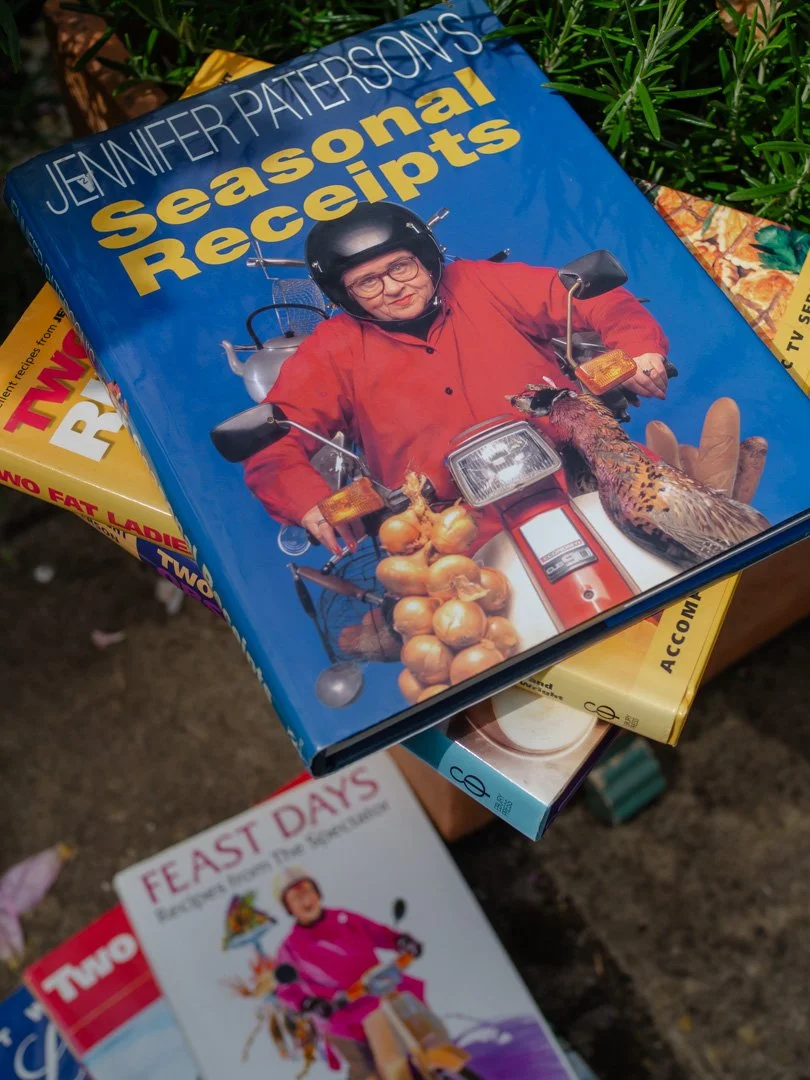
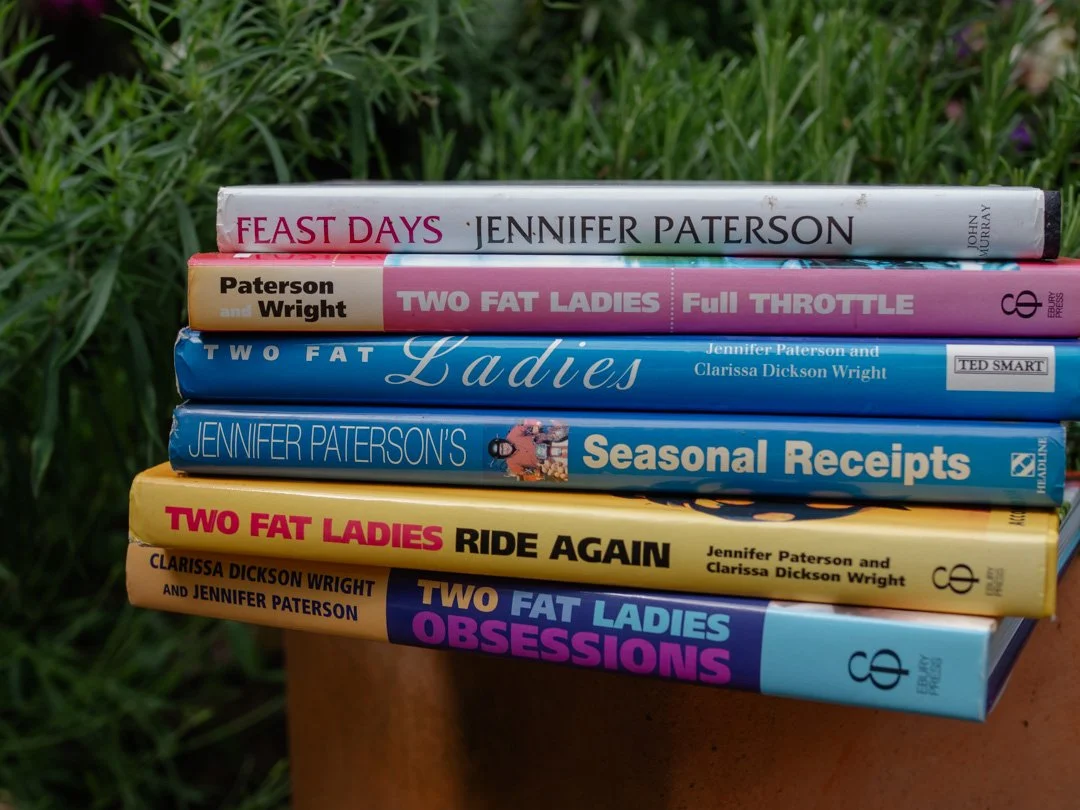
Their influence - their unwavering belief in seasonal produce and quality ingredients - has travelled alongside me for 30 years. Their cookbooks - both as the Two Fat Ladies, and as individuals - have lined my cookbook shelves and the DVDs of their four series of cooking programmes have been watched almost to oblivion.
Bringing remarkable tales of their previous lives to the kitchen, their style, their outlook on life, and their unique approach to cooking has, in my opinion, never been surpassed. If seasonal cooking could be summed up in two people, Clarissa and Jennifer are those two.
Cooking with the Seasons
If you’re reading this, then seasonal cooking and eating are probably as important to you as they are to me. For centuries - millennia - we ate seasonally. There was no other choice. We ate what was reared and grown locally, in our own country, and in many respects, perhaps in the past we were healthier for it.
But cooking with the seasons matters more than just what ends up on our dinner plates. Seasonal cooking doesn’t just support flavour in our food, it supports the farmers, growers and producers - the people and the stories behind it. Clarissa and Jennifer believed this deeply and their programmes championed individuals, families and businesses across Great Britain and Ireland.
The world has become detached - it has lost its connection with where food actually comes from. We can buy almost anything we like, from every conceivable corner of the globe, 24/7, with no more than a touch of a button. As I wrote in this journal entry which you might also enjoy, The Cookbook That Led Me Back to Simplicity and the Seasons, we’ve become conditioned by a capitalist society to expect a different meal every day - a different cuisine each day of the week, all the ingredients readily available.
Working With Nature, Not Against It
In The Two Fat Ladies, Jennifer and Clarissa were distinctly anti-supermarkets, in fact, these were the butt of many a joke throughout the series. I think it was, in many ways, because they saw what they had done not only to our cooking and eating, but to society. They are a convenience, of course they are, and we use them ourselves, but we don’t rely solely on them.
You see, I think that seasonal eating - cooking in tune with the seasons - becomes a way of cooperating with the natural cycles of the world. In demanding that our food comes from every corner of the globe, we are resisting those natural cycles. Perhaps some of our disconnect with food comes from our disconnect with nature?
In many ways, the Two Fat Ladies came from a different era - an era of simplicity and community - they knew first-hand the power of food and cooking to bring people together. They championed seasonal cooking because they saw it as something essential to each and every one of us, individually and collectively.
What Seasonal Food Gives Us in Return
But why eat seasonally? We live in a multicolour, psychedelic world of plentiful opportunity. Why would I eat asparagus only in late-spring when I can buy it all year round?
Seasonal cooking offers a beautiful reminder that there is a time for everything in its own season. Convenience can be a wonderful thing, but are we necessarily any the healthier by having so much choice? Seasonal eating teaches us patience - to wait for the first strawberry, to enjoy Jersey Royals only in their short season, to savour the first runner bean in summer.
As well as living in tune with nature’s cycles, seasonal cooking nourishes us deeply - it nourishes an irreplaceable connection to the ground beneath our feet and to the world around us. Convenience foods, fast foods, ready meals, and takeaways - where have they really taken us? We live in a world where high blood pressure, obesity and diabetes are commonplace - hardly even questioned.
Perhaps the answer to our current health crises might be closer than we think. I would never venture to suggest that eating seasonally and cooking simply might solve it all, but it certainly makes you think.
Standing Firm in Belief
For all their hilarity, for their wonderful stories and their extraordinary personalities, the Two Fat Ladies’ legacy endures - they could see what was already happening, what we were already losing - and they could see where we were heading. Their unapologetic defence of real, traditional, seasonal food appalled many - not least the supermarkets - but for me, they were an inspiration.
30 years on, those are values on which my life is built, not as a passing fad, but as an essential part of who I am and how I live. The Two Fat Ladies stood up for what they believed in, and whether you agreed with them or not, no one could doubt their sincerity. The stories of the producers and growers were as important as the ingredients themselves, something which I explored in this journal entry, More Than Recipes: Cookbooks Filled with Story.
So often, we find our answers by looking to the past, to how we used to live. Often, solutions are found in the simplest of things - in getting back to basics. We can learn so much from the past, and The Two Fat Ladies knew this. Just as I shared in this journal entry, the simplest of storecupboard staples can nourish us deeply.
Slowing Down to Taste the Season
30 years after that first episode of the Two Fat Ladies aired, and with neither Jennifer or Clarissa with us anymore, you might think that looking to them for inspiration is simply trying to recreate the past - a nostalgic trip down memory lane.
On the contrary, they saw the value in slowing down, in noticing the changing seasons, in pausing to savour each ingredient, and in eating and cooking more seasonally. A growing number of us value the same - in many ways, they were ahead of their time.
I believe that by simplifying what we eat and how we cook, and as far as possible, eating in a way which works with, rather than against the changing seasons, we stand to gain so much. Our minds and bodies are nourished not by convenience, never-ending choices or passing food fads, but by quality, seasonal ingredients, cooked well, from the heart.
Perhaps this is my life’s mission? After all, stranger things have happened, for as Clarissa herself said:
‘Being driven around the nation in front of 70 million viewers worldwide, in a motorbike and sidecar - I couldn’t have thought of that!’
It might not be the Two Fat Ladies, but I’d love to know in the comments below who has inspired your seasonal cooking and eating journey. You can also join our community, Rediscover · Reconnect · Re-Emerge for weekly reflections.

30 years on, the Two Fat Ladies still inspire me on my seasonal cooking journey, but why has they legacy endured so long, and how might they inspire you too?