
So many people have inspired me on my own journey towards living a slower, simpler and more seasonal life, and I’d love you to be inspired too. The Slow Spotlights series shares with you some of their journeys, and I hope that by reading about these, you too may be inspired and encouraged.
What does living slowly, simply and seasonally mean to you?
In this Slow Spotlight, Sam Corrie shares how she embraces a slow, simple and seasonal life in the heart of Sydney, Australia. From homeschooling and cooking with the seasons, to connecting with the ocean, mending and following the rhythms of her own body, Sam reflects on how living more mindfully can nurture our wellbeing, deepen our connection with the natural world and help us care for the Earth for the seventh generation to come.
What does living slowly, simply and seasonally mean to you?
Living slowly, simply and seasonally has many meanings for me. I write this piece from the eyes and heart of a parent, a highly sensitive empath, a shamanic/spiritual healer, and from someone who lives in one of the busiest cities in the world - Sydney, Australia.
Being a parent
Slow, seasonal living means raising my children in a gentle calm manner. When I first became a mumma to my twins, slow, simple and seasonal living, meant breastfeeding and co-sleeping. It meant trust, surrender and flow. It meant listening to my babies’ non-verbal and verbal needs and reacting to them, released from time schedules and societal demands.
My children are now teenagers. Slow, simple and seasonal living continues. My children initially went to school; however, we found, through their actions and reactions, that that way of educating was not a gentle path for them (or us!) - mentally or emotionally. We now homeschool. Whilst some may look at this as hard work, what I have found is that it invites a slower lifestyle.
For my children, they are released from peer pressure, bullying, angst and stress. For my partner and I, it is about following passions, interests and taking a lot more time over what does/does not make sense. It means that we can learn by being outdoors and sitting under trees or at the beach; it means that we can focus on projects for as long as is required. It means that we can go for more excursions and do activities that would not be available in a school setting, and it means we can have longer morning teas and lunches because we are sharing a book together or chatting about life - all things wonderful and exciting.
Living close to nature
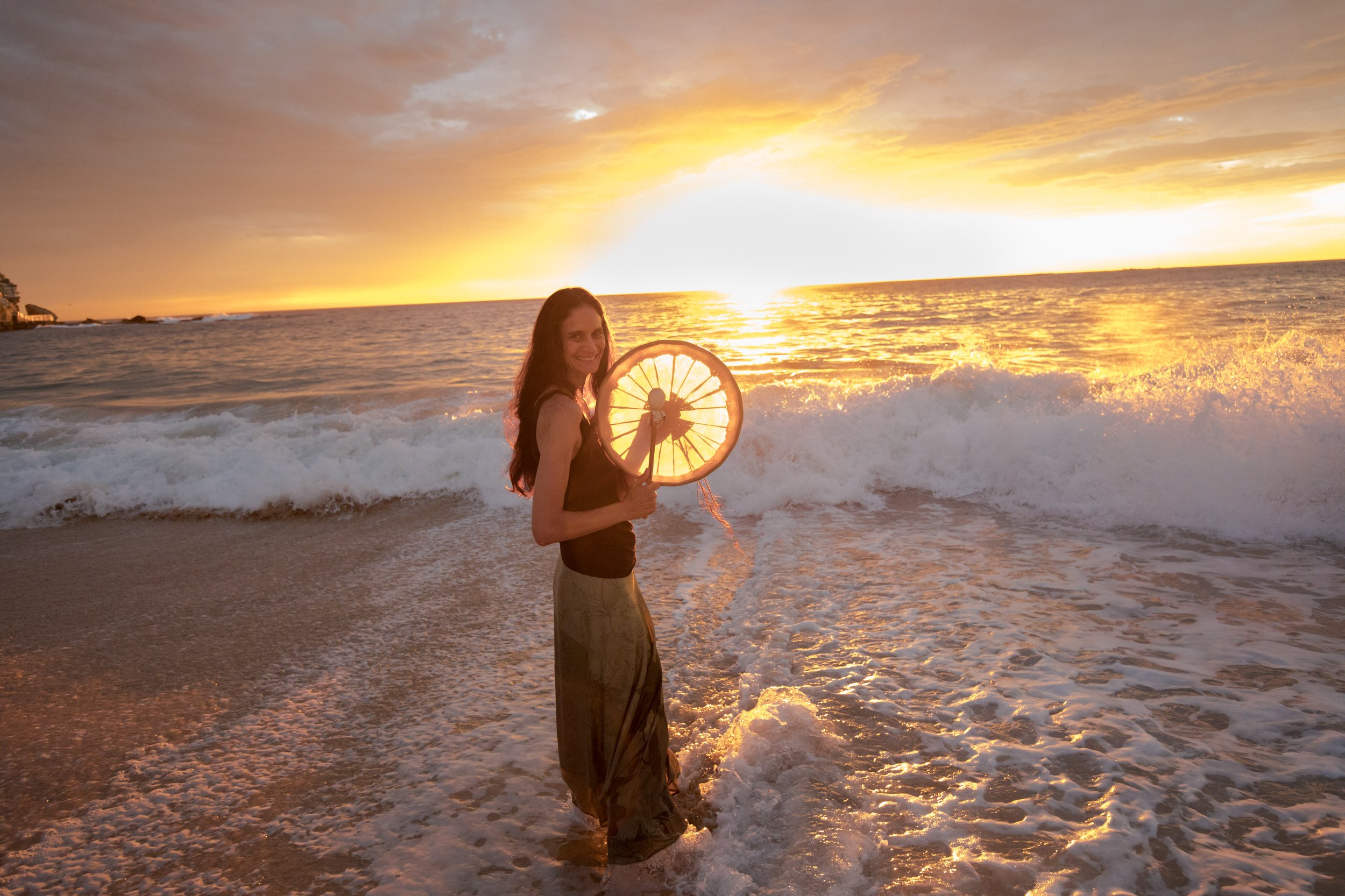
Slow, simple and seasonal living means being out in nature. While I live in a busy city, I am blessed to live very close to the ocean. The ocean is my heart’s landscape. It heals my soul and brings me back to myself.
The ocean invites a very soft and simple way of living. The tides, the sound of the waves, the soft sand under my toes - all this helps me to feel softer, slower, and more connected to nature, to myself and to my dreams.
Sitting on ancient rocks as I look out over unlimited horizons invites a profound connection to the land, and invites a physical spaciousness that helps soothe my soul and calm my busy mind.
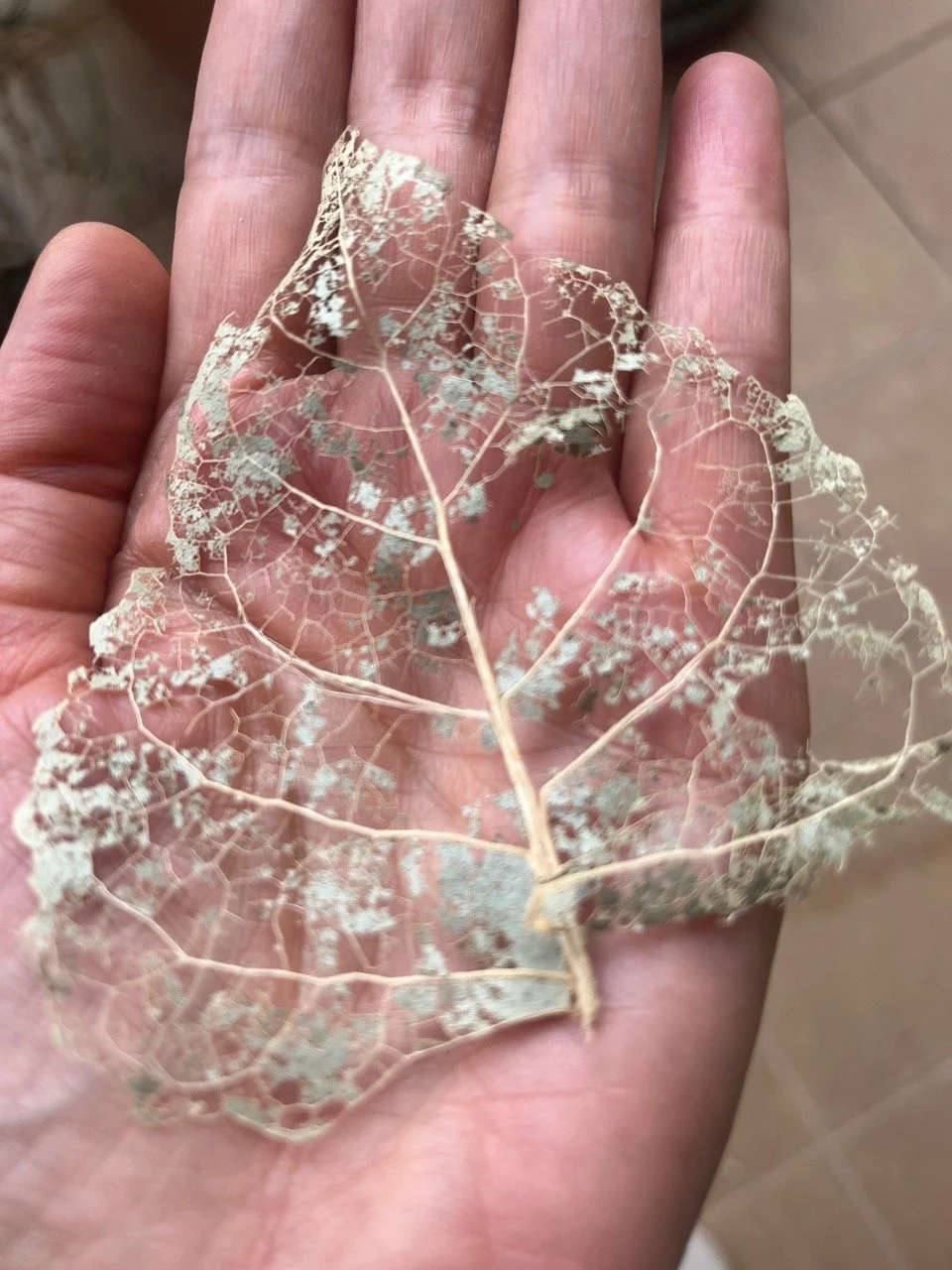
Seeing the tides change constantly reminds me that life is ever-changeable and there is something beautiful in that natural shift. As the leaves change colour and fall from the trees, seeing the tides change reminds me that everything is in constant motion and that nothing stays the same.
Slow, simple and seasonal living also means that I am conscious of the subtle and obvious changes in the Earth. For example, at the Dark Moon, I know I prefer my own company, my own space, and I choose to have as little interaction with the outside world as I can. In contrast, I begin to feel more energised, more alive, more expansive as the moon waxes to become full.
Eating what is in season
Seasonal living also means that I choose to eat what is in season, and in doing so, I begin to appreciate the nutritional value of specific foods. For example, citrus fruits are more abundant in autumn and winter when vitamin C is required to improve our immune systems as we step into the colder months. Pumpkins and root vegetables are more abundant over autumn and winter as well, and stews and slow cooking enable more nutrients, more warmth, and more comfort.
Berries and fruits and salad vegetables are abundant in spring and summer, inviting a lighter, nutritionally dense meal that can be easily eaten outdoors under a longer sunset.
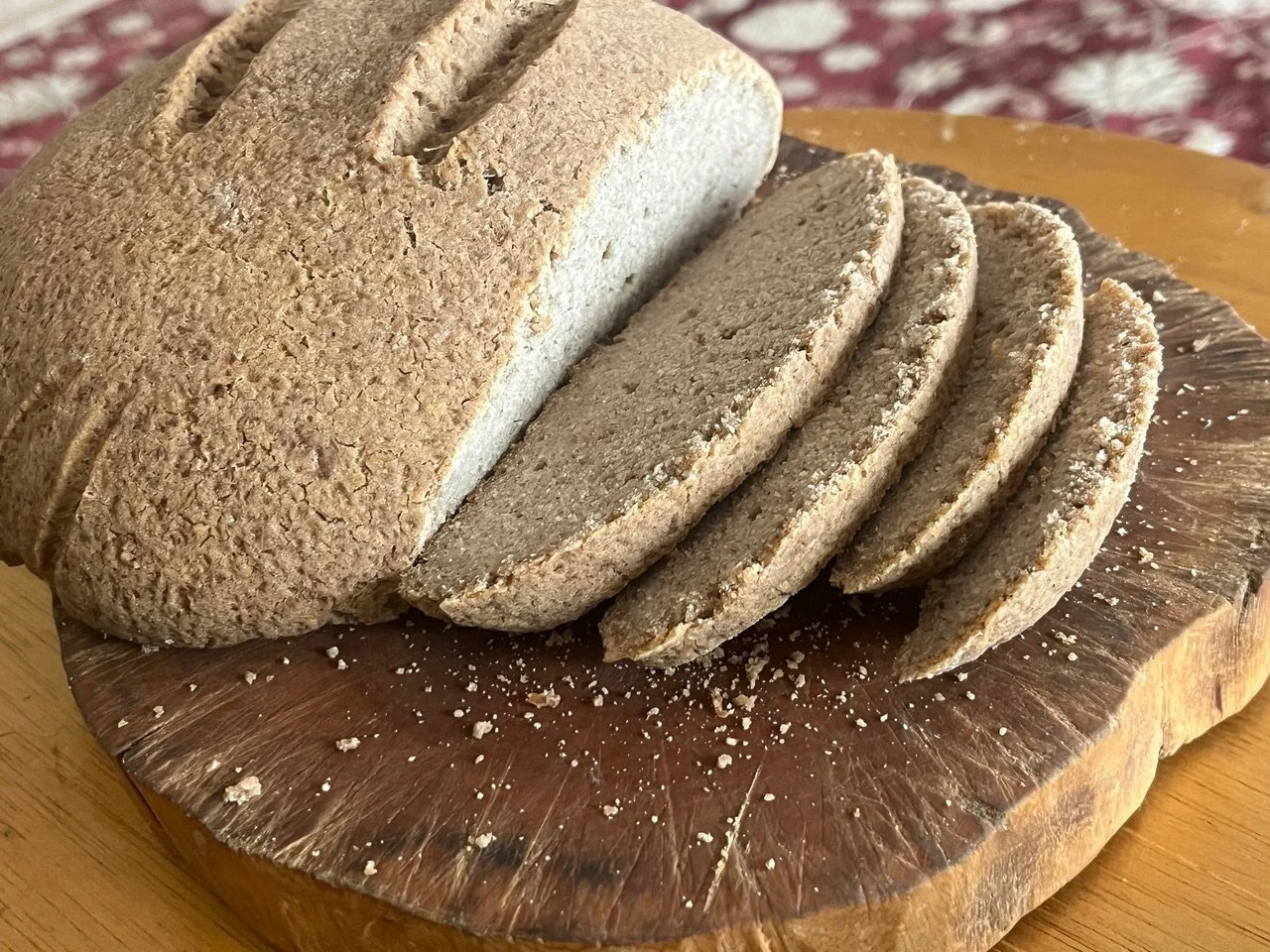
I cook all my meals from scratch. I also pickle and make my own gluten-free bread. Choosing to cook my own food invites imagination, presence and a deeper connection to that particular food, the season I am in, the farmers and the land. I try to buy organic food; however, if I am unable to, I consciously purchase from co-ops that give more money to the farmers rather than the bigger supermarkets. Slow, mindful living invites me to consider where my money is going and why I choose to spend it in the way I do.
Sewing and mending
In mending and sewing I live a slow and mindful life. I mend and sew because it gives me great pleasure to turn something that may have been tossed away because it has a hole in it or is frayed, into something new, creative and unique. My imagination expands when it has a new mending project to focus on!
And then, if I am unable to recycle, repair or reuse, I try to find the right place for that item to be recycled so that it does not go into landfill.
Following my body’s inner rhythm
Living a slow, simple and seasonal life also means that I follow my body’s inner rhythms. During my bleeding years, I would take time out to rest when I began my monthly bleed. Now, as a post-menopausal woman, I am finding that as my hormones settle into a new way of being, I need more rest, more protein and a lot more silent time.
There is an inner rhythm deep inside and it requires a different way to be in the world, and to be honest, I am very much enjoying this new season of life. When I can feel softly into the changes that are occurring, when I can listen to the new needs of my body, mind and soul, I am finding that the ‘symptoms’ that come with the menopause are easier to understand, navigate and move through. They are sacred doorways. When I am still, I can understand how to open and walk through them with honour, integrity and wisdom.
Transportation
Finally, my family and I don’t own a car. We walk, ride a bike and take public transport - and if we do plan to go camping, for example, we hire a car for that period of time. This way of living invites one to be conscious of the journey as well as the destination. It invites different routes to be taken where cars would not be able to go. It invites a softer footprint on the earth.
How does living in this way have a positive impact on your life?
I find that my life has become simpler and healthier - in mind, body, and soul. It means that my needs are actually less because I am conscious of the ‘why’. Why do I want to purchase this? Why do I want to do this? What footprint is this leaving for future generations? Living a simple, seasonal life invites less, and at the same time, gives so much more.
When did you first become aware that you craved a slower and simpler approach to life?
When I became pregnant I knew deeply that I wanted to create a softer life and world for my children and family. As mentioned, I was a long-term breast-feeder and chose not to conform to the idea that I had to stop breastfeeding because ‘society deemed it so’. Breastfeeding was a comfort for my children. It was healing. It was a slow and mindful way of parenting. It offered gentle moments of tender care, connection and solace.
I have always been a stay-at-home mumma. I work for myself - as a healer and spiritual mentor. These choices have made our lives calmer, softer and more in line with our core values as parents.
Are there elements of living in this way which challenge you?
Yes, in the way mainstream society degrades living a soft, simple and seasonal life. We live in a patriarchal society that rewards longer hours, commissions, achievement markers, and constant ‘growth’ measured in wealth and acquisition. Living a soft, simple and seasonal life is consciously stepping away from that. At times, this way of life is lonely and can feel isolating - until one finds a community or like-minded friends.
Who has inspired you on your journey to living a slower, simpler and more seasonal life?
Growing up, my Mum was a stay-at-home Mum who worked for herself as an artist. She always made things from scratch - from clothes to food. I have wonderful memories of her laying out material on the lounge floor and using her dressmaker scissors to cut the fabric to make something for myself, my siblings, herself or Dad.
Another memory is coming home from school on a winter’s afternoon to find homemade scones or warming soups on the table to have for afternoon tea. Food cooked from the heart creates comfort for the mind, body and soul.
My childhood home was on a hill and the ocean was the view from the back garden. Another childhood memory that has stayed with me and has infused its softness into my life, was watching lightning storms flash over the ocean - and seeing the moon rise over the waves. I am lucky now to still be able to see this view from where we currently live in our flat.
I am conscious of offering a wholesome life to my children like my parents did to me.
My sister is also very inspiring. She tells me of the planetary changes that are happening in the night sky. Sometimes, this is seasonal, but sometimes, planetary changes happen only once every 20 years or so. By living a slower life, I get to appreciate the changes that are happening all around me.
Are there any books, websites or other resources which have helped you and which you’d recommend to others?
My favourite cookbooks are from Cornersmith by Alex Elliott-Howery and Jamie Edwards. These cookbooks encourage ‘using it all’. They highlight foods that are in season and how to cook them with less waste. They also have books on pickling and preserving. I have dogeared many pages in my Cornersmith books and highly recommend them to anyone. While they are an Australian cookbook, you could easily turn the seasons around and use them anywhere in the world.
My family and I volunteer at the local council community gardens. There is a native and a food garden that we assist with. Learning to garden with experienced gardeners and permaculture experts is very inspiring and fun.
I have a balcony with lots of plants, and whilst I am a novice when it comes to gardening, I am a passionate novice. I am currently growing fruit trees on the balcony and lots of herbs - rosemary, marjoram, sage, thyme and lavender to name but a few. I really love the idea of going outside and picking my own herbs and vegetables.
David, I also like your Substack - you offer calm, soothing words that encourage a soft, simple and inspiring way to look at the world.
What’s one piece of advice you’d give to others looking to embrace a slower, simpler and more seasonal approach to life?
Begin slowly and do one thing at a time. Sometimes choosing to live a slower life can feel overwhelming. Let the simple and powerful choice of stepping outside each morning when you wake, or choosing to leave your phone turned off until after breakfast, or turning all notifications off be a beginning.
Then build up - maybe you become aware of the moon cycles, or the flowers growing in your garden, or how the breeze feels on your face. Maybe you choose to go for a walk and consciously stop to admire the birds or the spider webs.
Slowly choose things that inspire you to live a slow and simple life. Maybe you like cooking and choosing to eat what is in season. Maybe you like crafting and choosing to mend your clothes, or maybe sewing your own clothes inspires you to live a consciously slower lifestyle.
I would also add that it’s important to be kind to yourself when you first start - sometimes we want to do it all at once. Begin slowly. Listen to your heart. It knows how to lead you on this journey.
It is such a wonderful way to live - in a way, you become a bit of a rebel, because in choosing to live a slow and mindful life, you are turning your back on capitalism and choosing Mother Earth instead.
How do you embrace slow, simple and seasonal living within your business and/or work?
While I just prefer to be introduced as ‘Sam’, I am a Shamanic Practitioner, Earth-based healer, and Spiritual Mentor and Teacher. I am a Gardener and Storyteller of the Soul - one who weaves earth-based wisdom into simple living for you now and the 7th generation to come.
Conscious, mindful living has invited me to look at the different titles I use and consciously choose how I introduce myself. Doing so many different healing modalities makes this a bit tricky at times.
Through my healing sessions and workshops, through nature-based teachings and gentle meditations, I help folk weed their soul’s garden of the noxious weeds that are hindering their dreams. I encourage folk to befriend the once-feared dragon of shame, anger, grief and blame through connecting to the earth and air, waters and fire.
I help folk unearth their inner sacred sites by welcoming home lost and fragmented soul parts, and ultimately I hold space for folk to come home - home to their inner truth. All this, in turn, enables my clients to begin to live a life that is slower, more mindful and more connected to Mother Earth.
I deeply believe that when we desecrate our own inner landscape - through addictions, life choices and when our soul is fragmented - in turn, we harm Mother Earth because we carry our pain with us.
However when we tend to our inner landscape with compassion and kindness, when we welcome home our lost and fragmented soul parts, when we learn to walk slower and more consciously upon the earth, we connect to the Earth in a softer and at the same time more empowered way, and eventually we see that there is no separation between us and the earth.
My office, when the weather is appropriate, is outside in nature. The wind, the sound of the ocean and the birds, all create a beautiful, natural energy that helps with the healing I am offering my clients. If we are unable to go outside, I work on zoom as my client base is worldwide.
Another way that I use soft, simple and seasonal living in my workplace, is by listening to my own inner wisdom. When I do this, I can then ‘feel’ the right time to hold a workshop, for example. When I write my posts and articles for my Substack publication, Soft Simple Still, I follow my ‘inner writer’s timetable’.

I find that when I try to ‘conform’ to how others do things, I feel discombobulated. Of course, there are times when I have to work outside my own inner timing; however, the majority of the time, I try to follow the moon cycles, my own inner cycles and that little voice within me.
Do you think your approach to life can challenge others? Is slow living easy to stereotype?
Oh yes, it is very easy to stereotype - the ‘1950s housewife’ would be a typical one. Choosing to cook from scratch, to make my own bread, to pickle and preserve - choosing to be at home for my children might be deemed to be ‘women’s work’.
However, there is a lovely movement now that sees slow, simple and seasonal living as a conscious way of living that is neither a male nor female way of being in the world. This includes parenting. I see myself as an educated woman choosing to care for her family and for the earth, by living a slow, seasonal and simple way of life, and in doing that, I am showing others that it is possible too.
What’s one thing you think we could learn from the way our ancestors lived, which would help us face the changing world of today?
The word community comes to mind. We live in a nuclear society that is so busy and capitalistically driven. Our ancestors lived in a community. They had neighbours and family members that popped in for company, for a cup of sugar, for support in child rearing, for celebrations of birthdays, deaths, marriages and milestones. There was not the sense of aloneness that there is in today’s society. People may have lived by themselves, yet there were folk in the wider community that checked on them.
When I was little, our street was a big community. We would visit each other with ease. As children, we would play in the street. We would know by the front door being open or not if a particular neighbour was sick. We had little signs that showed, as a street, we were there for each other. While some folk lived alone, there was a street that cared for them.
We need each other. It is important to break the feeling of loneliness and separation, and I believe we can do that by living a soft, still and mindful way of life. By living in community, however that may be - and there are many ways we can do this - we can better support and care for each other.
How do you see your slower and simpler life evolving in the future?
Eventually, I would like to live a waste-free life. I still have a long, long way to go; however, it makes me conscious of, for example, what I buy, when I buy it and how I buy things. It makes me conscious of how much plastic I use and why. It makes me conscious of my carbon footprint.
If you could choose one word, phrase or quote which sums up your approach to life, what would it be?
Soft, simple, still (which is also the name of my Substack publication). I chose these words because I feel they represent who I am and how I choose to live my life.
Samantha, or Sam Corrie is a healer - a Gardener and Storyteller of the Soul, who weaves earth-based shamanic wisdom and spiritual mentoring with people’s own inner wisdom, to create a gentle and profound space for people to ultimately come home - home to the innate wisdom that lives within.
Sam is a curator of Sacred Healing and a guide for the liminal thresholds of life. Her work is gentle and deep, profound and life-changing. Shamanic healing, soul retrieval and spiritual mentoring are the foundations of her work. You can find out more about Sam’s work on her website.
Her Substack publication, Soft Simple Still, is a place where, like gentle butterflies that land upon your hand, soft words will land in your heart for healing, simplicity and stillness. Weekly letters, voiceovers and recorded meditations.
If these reflections resonate with you, you’re warmly invited to join Rediscover · Reconnect · Re-Emerge, where I share gentle weekly reflections inspired by simplicity, the changing seasons and the enduring wisdom of the past.
Or, if you’d like to follow along between weekly reflections, you can also find me on Instagram.
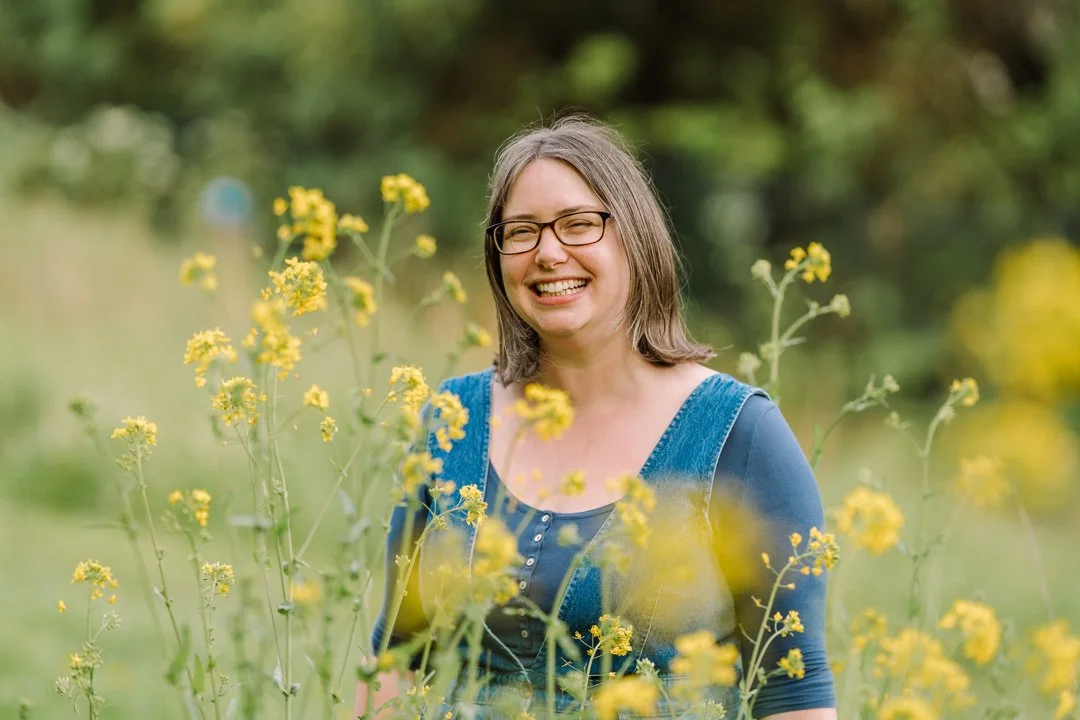
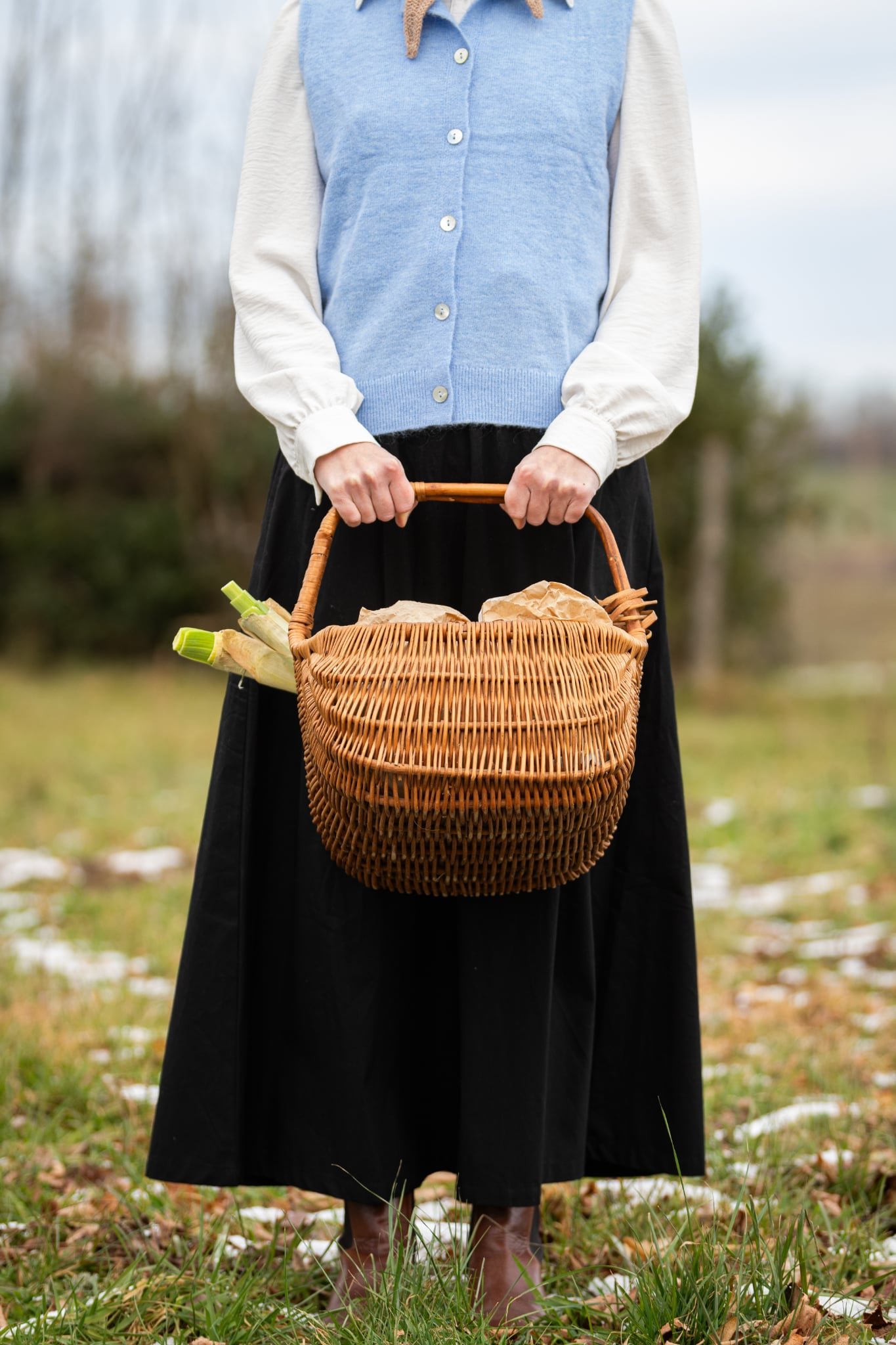
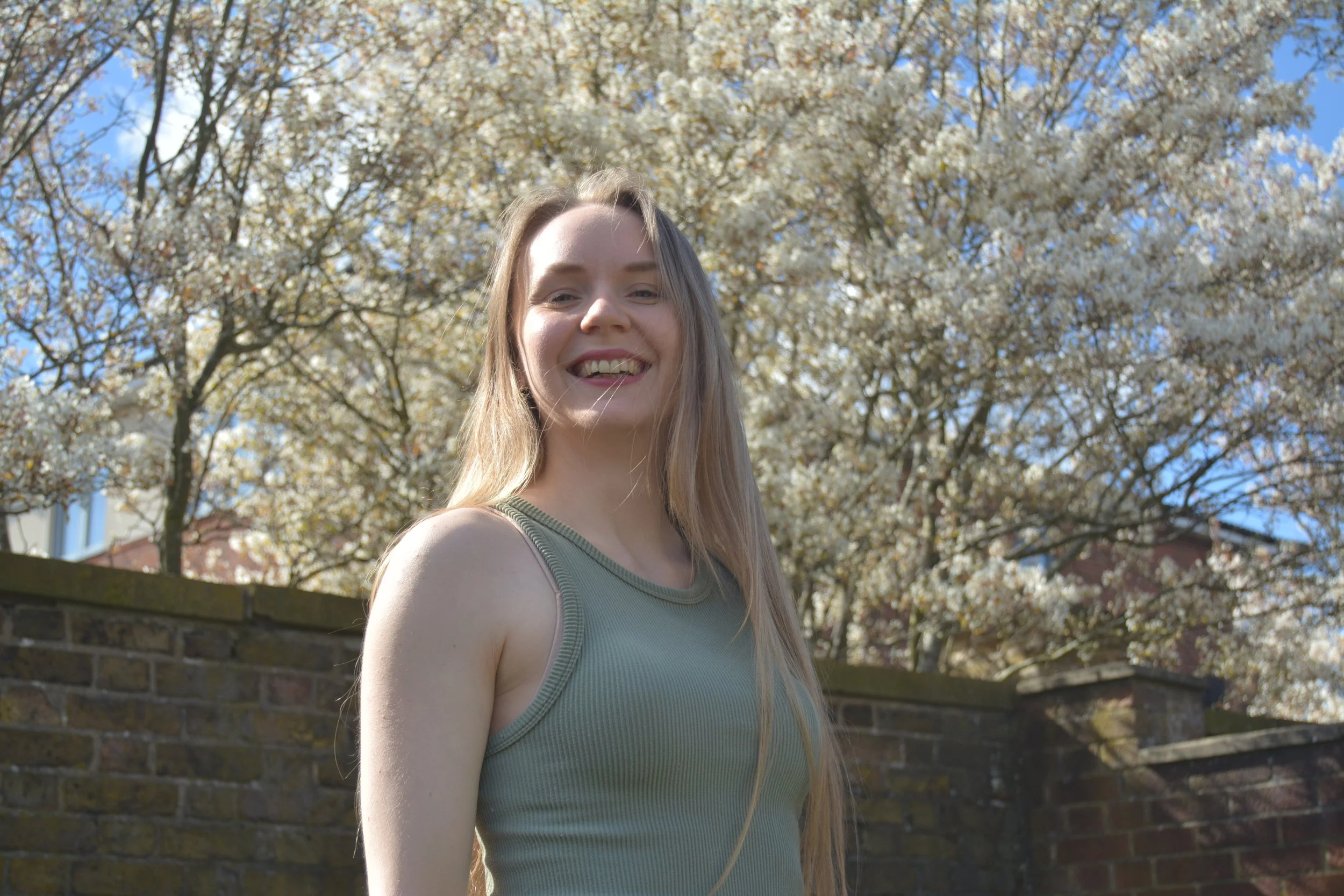
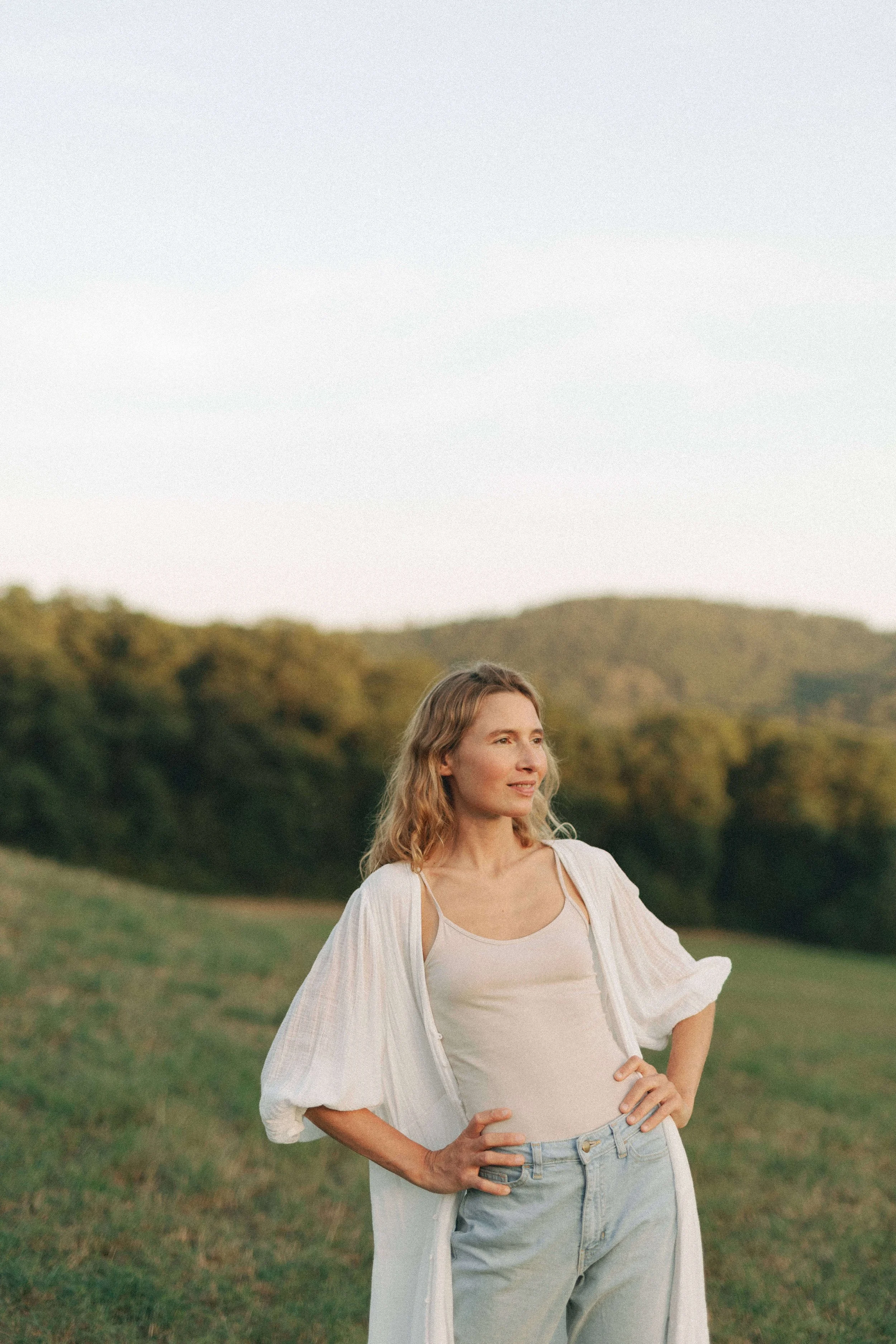
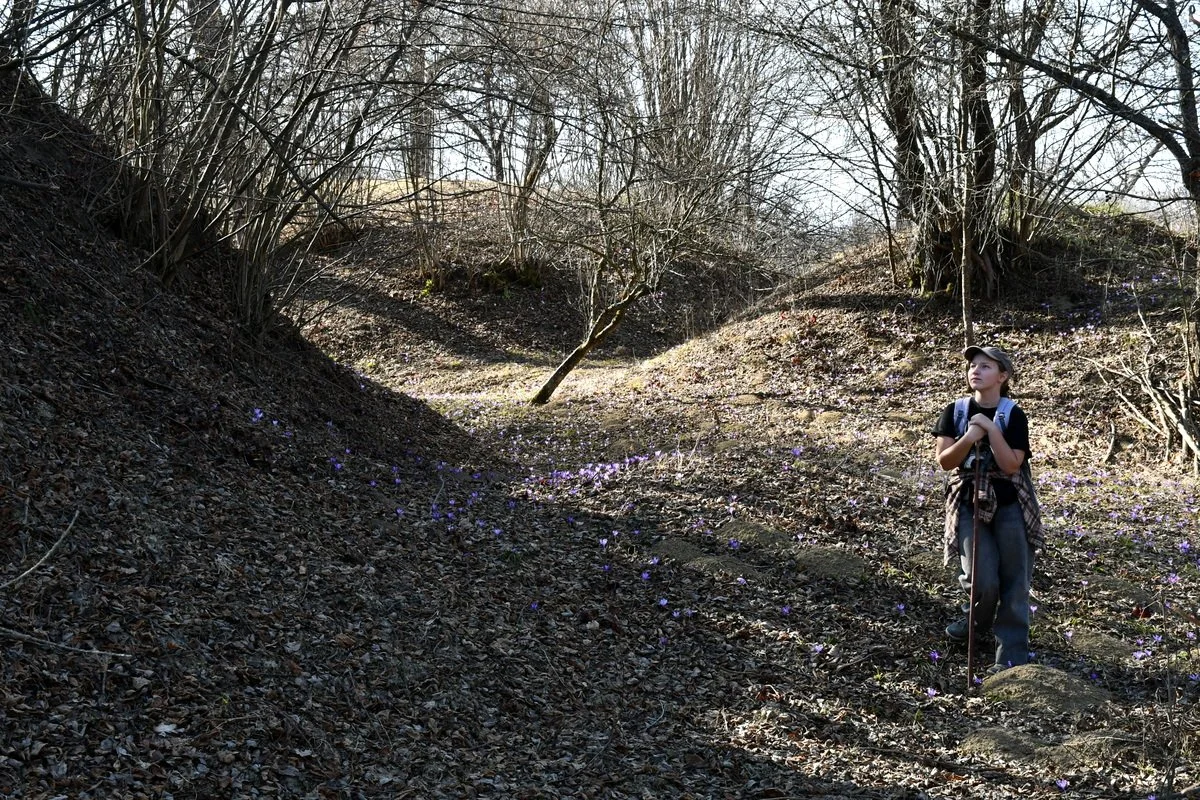
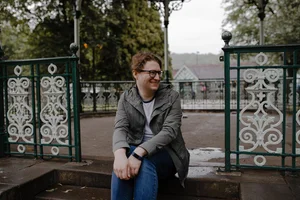
In this Slow Spotlight, Sam Corrie shares how she embraces a slow, simple and seasonal life in the heart of Sydney, Australia.